
How Do Prosthetic Dental Treatments Affect Aesthetic Appearance?
Prosthetic dental treatments directly and positively affect aesthetic appearance through completing missing teeth, correcting tooth color and shape disorders, supporting facial symmetry, and restoring the lip’s supporting tissues. These applications, carried out using ceramic and zirconium materials compatible with natural tooth structure, renew the patient’s smile aesthetics and bring natural vitality back to their facial expression.
The aesthetic balance of the human face is directly related to the alignment of the teeth in the upper and lower jaw and the supporting tissues behind the lips. When this balance is disrupted as a result of aging, trauma, decay, or tooth loss, sagging in the face, wrinkles around the lips, and undesirable appearances during smiling can occur. Prosthetic dentistry (prosthodontics) replaces lost anatomical forms with biocompatible artificial materials, ensuring both functional integrity and creating an aesthetic transformation that allows the patient to smile with confidence in their social life. Today’s digital dentistry technologies allow for personalized smile designs and for the optical properties of natural tooth enamel to be mimicked exactly.
How Do Prosthetic Dental Treatments Change Smile Aesthetics and Facial Features?
Prosthetic dental treatments restore lost dental support, preventing the lips from sagging, giving the cheeks natural fullness, and bringing the smile line into a symmetrical form, significantly improving the signs of aging and the tired expression on facial features from an aesthetic standpoint.
Teeth act as a kind of skeletal element supporting the upper and lower jaw. When back teeth are lost, the cheeks sink inward and the lines at the sides of the nose and mouth (nasolabial folds) deepen. When this height (vertical dimension) is restored again through fixed or removable prosthetic applications, the facial muscles regain their former support and a younger, more dynamic appearance is achieved. The form, color, and size of the teeth in the front region directly determine the aesthetic character a person displays while speaking and smiling. Prosthetic restorations planned in collaboration between the dentist and patient create a smile architecture that fits the face’s golden ratio.
What Are the Negative Effects of Missing Teeth on Aesthetic Appearance?
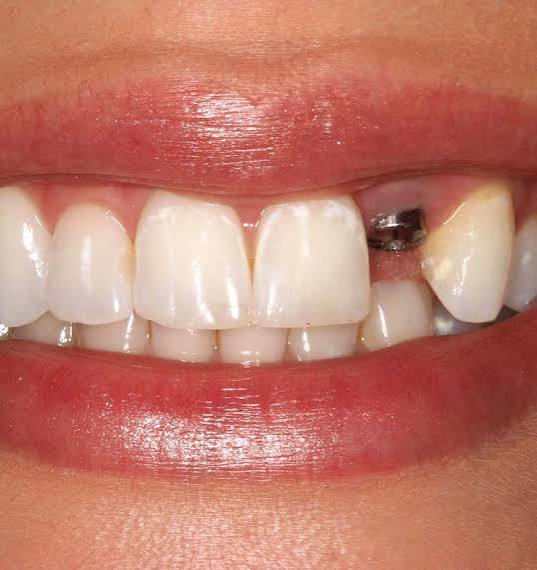
Missing teeth, over time, cause surrounding teeth to shift toward the gap, lead to jawbone resorption and a reduction in the lower facial height, causing an increase in wrinkles around the lips and the emergence of an older facial appearance as the chin moves forward.
Every tooth gap left in the mouth creates a domino effect, causing adjacent teeth to tilt, teeth in the opposing jaw to over-erupt, and unaesthetic gaps to form between teeth. Since the jawbone in areas with missing teeth is not stimulated, it resorbs over time; this paves the way for gum recession and the lips turning inward. In addition to this aesthetically unpleasant picture, the development of asymmetry in the facial muscles due to one-sided chewing is also an inevitable consequence.
| Aesthetic Criterion | Untreated Tooth Loss | After Prosthetic Dental Treatment |
|---|---|---|
| Lip and Cheek Support | Sagging tissues, deep wrinkles | Natural fullness and taut facial features |
| Smile Symmetry | Disruption due to tooth shifting and gaps | Harmonic, aligned, and symmetrical tooth arrangement |
| Tooth Color and Shine | Yellowing and material loss in existing teeth | Personalized color shade and natural shine |
| Jaw Joint Posture | Tired facial expression due to bite disorder | Balanced upper-lower jaw bite and relaxed facial expressions |
How Do Zirconium Crowns Support Dental Aesthetics?
Zirconium crowns, thanks to their high light transmission, precisely mimic the optical properties of natural tooth enamel, do not cause dark-colored metallic reflections at the gum line, and preserve their shine for many years, providing flawless whiteness in the aesthetics of front-region teeth.
The metal-supported porcelain crowns used in past years, no matter how carefully made, would not allow light to pass through due to the metal substructure they contained, and would create a dark gray line at the border where they meet the gum. Zirconium’s white-based structure completely eliminates this disadvantage. Since it reflects light like a natural tooth, it does not look artificial; it retains its vibrancy especially in flash photography or sunlight. Thanks to its biocompatible structure, it displays excellent harmony with the gum, minimizing the risk of gum discoloration or recession and securing aesthetic integrity in the long term.
How Do Laminate Veneer Applications Change Aesthetics?
Laminate veneer applications, through thin porcelain sheets applied to only the front surfaces of the teeth with very little or no reduction at all, allow discolored, slightly crowded, or gapped teeth to gain a smooth, symmetrical, and aesthetic appearance within minutes.
Laminate veneers, one of the finest examples of the minimally invasive philosophy in aesthetic dentistry, preserve tooth tissue to the maximum extent while providing a maximum aesthetic result. They are a wonderful alternative for patients who have permanent discoloration on their teeth, do not want to wear orthodontic braces, but wish to close the gaps between them (diastema). Since the surface of the porcelain sheets is smooth, they are resistant to staining caused by external factors such as tea, coffee, and cigarettes; thus, patients can preserve their white and sparkling smile from the first day for years to come.
- Minimal Reduction: Applied with minimal intervention to the tooth enamel.
- High Stain Resistance: Does not change color, thanks to its smooth surface.
- Natural Translucency: Indistinguishable from a real tooth due to its light transmission.
- Fast Results: Offers a major aesthetic transformation within short sessions.
How Are Prosthetic Aesthetic Approaches Planned Within Panorama Ankara?
In modern clinical applications in the Panorama Ankara region, prosthetic aesthetic approaches are planned with Digital Smile Design, optical intraoral scanners, and personalized material choices suited to the patient’s facial proportions, in order to achieve predictable, natural, and aesthetic results.
Individuals around Panorama Ankara, one of the capital’s dynamic and modern living centers, want both to save time and to have predictable results in aesthetic dentistry applications. A patient stepping into the clinic has their facial structure, lip thickness, and smile dynamics recorded with digital cameras. Thanks to computer-assisted design software, the finished appearance of the prosthetic crowns or veneers to be made is shown to the patient in three dimensions on screen even before the procedure begins. This transparent and planned approach brings the patient’s expectations and the dentist’s clinical vision together at a common point, maximizing aesthetic satisfaction.
Do Removable Prostheses Preserve a Natural Appearance and Aesthetics?
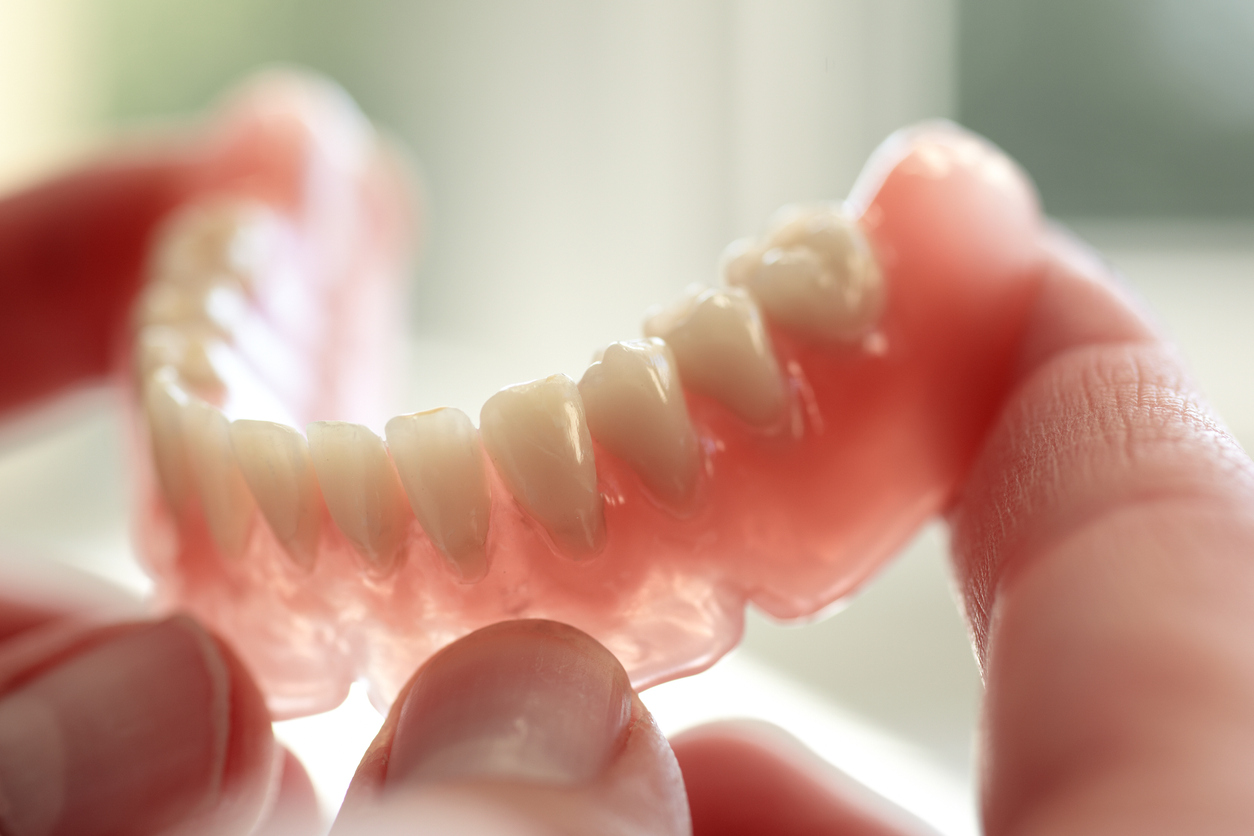
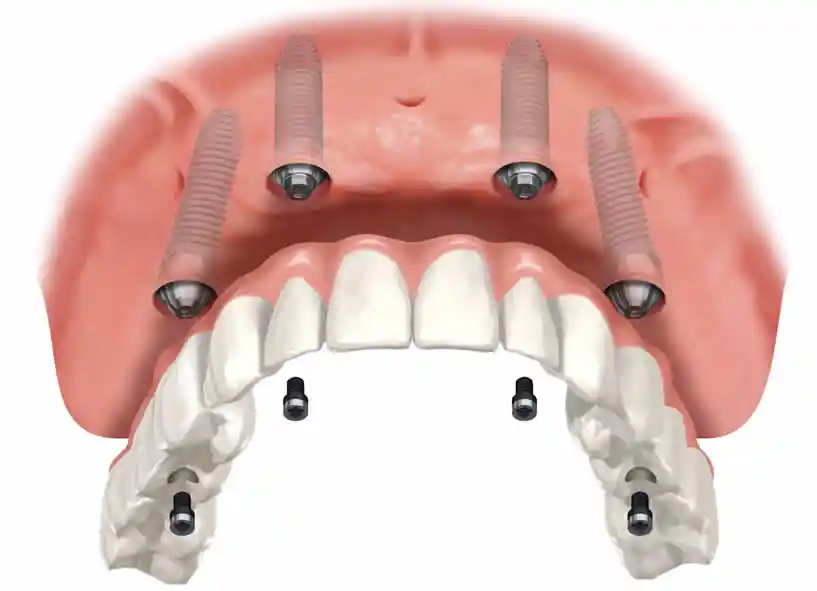
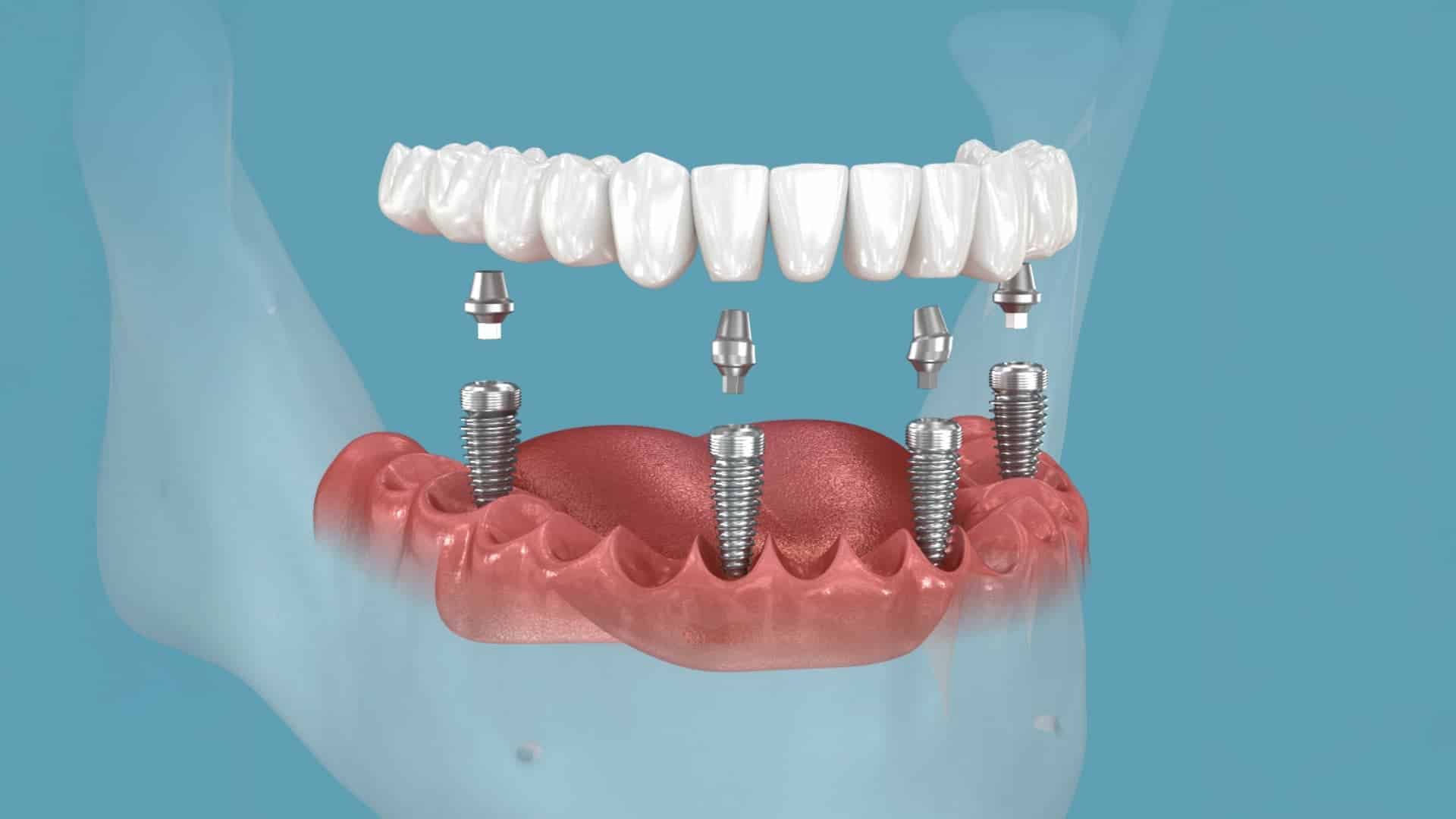
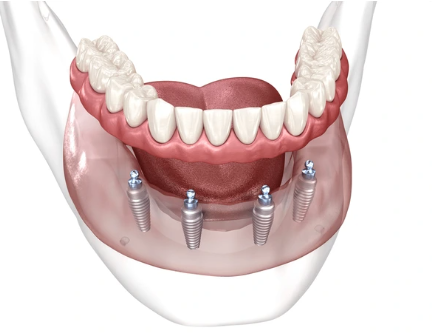
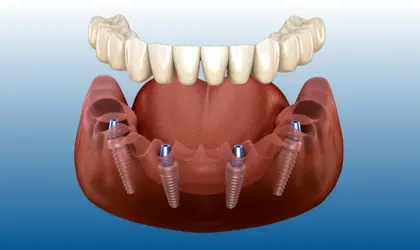
Removable prostheses offer a natural appearance that is not noticeable from the outside, thanks to modern precision-attachment (snap-on) systems and acrylic materials that perfectly match the gum color, but they require periodic check-ups in long-term use to prevent aesthetic shifts caused by bone resorption.
Removable prostheses used in complete edentulism or multiple tooth loss used to raise some aesthetic concerns in the past due to visible metal clasps. In today’s prosthetic technology, “precision-attachment” (snap-on) prostheses or aesthetic clasps entirely in the gum color have been used to eliminate metallic appearances. The forms of the teeth placed within the prosthesis are selected to suit the patient’s facial shape and age; thus, it is not noticeable at all that it is a prosthesis, and instead it gives the patient a natural and full smile.
How Is Harmony Between Gum Aesthetics and Crown Achieved in Prosthetic Treatments?
Gum aesthetics in prosthetic treatments is achieved with biocompatible zirconium or full ceramic substructures whose crown margins are hidden beneath the gum, and, if necessary, with laser-assisted gum contouring procedures, ensuring that the crowns display flawless harmony with the gum.
Even if a wonderful porcelain crown has been made, if the gum health on which the crown sits is impaired or asymmetrical, the aesthetic integrity is overshadowed. A healthy smile aesthetic is possible only through the harmonious working together of “red aesthetics” (gum) and “white aesthetics” (teeth). In cases with unevenness in gum levels, level adjustments (gingivectomy) are performed with laser assistance before the prosthetic procedure. Since the lines where crowns meet the gum are designed with microscopic precision, gum inflammation or discoloration is prevented; the gum surrounds the porcelain like a healthy, pink, and natural collar.
Frequently Asked Questions About Prosthetic Treatments
Do prosthetic dental treatments look artificial?
Thanks to current prosthetic materials and personalized color/form adaptation techniques, modern crowns and veneers are absolutely indistinguishable from a natural tooth when looked at from the outside. The aesthetic appearance is designed to be fully compatible with the patient’s natural facial features.
The risk of an artificial appearance existed in old-type applications where standard mold products were used. Today, the color-shade transitions and even the enamel micro-cracks specific to each patient’s teeth are precisely replicated onto the porcelain during the laboratory stage.
Do crowns yellow or change color over time?
Quality prosthetic materials such as zirconium and full ceramic (E-Max), because of their smooth and glassy structure, are not affected by staining agents like tea, coffee, and tobacco, and do not yellow over time. They preserve their initial color shade for years.
However, slight discoloration may be seen in acrylic-based temporary prostheses or in the acrylic bases of removable prostheses; this can be easily resolved with professional polishing performed at regular dentist check-ups.
What is the lifespan of prosthetic aesthetic applications?
Zirconium, laminate veneer, or implant-supported prosthetic applications preserve their aesthetic and functional form problem-free for an average of 10 to 15 years, provided regular daily oral hygiene is maintained and routine clinical check-ups every six months are not neglected.
The most fundamental factor extending the lifespan of restorations is preserving gum health and avoiding unconsciously biting into overly hard foods with the teeth.
Does gum recession damage aesthetic prostheses?
Gum recession developing due to advancing age or incorrect brushing habits can, years later, lead to a slight gap or line appearing at the upper border of zirconium crowns. In such cases, the prostheses may need to be renewed to refresh the aesthetics.
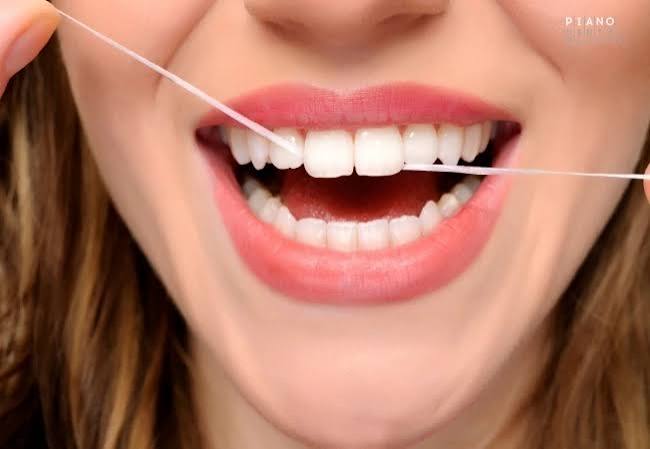
Regular use of dental floss and brushing correctly with soft-bristled brushes slows down the rate of gum recession, directly increasing the aesthetic lifespan of prosthetic restorations.