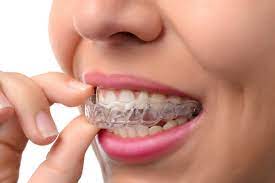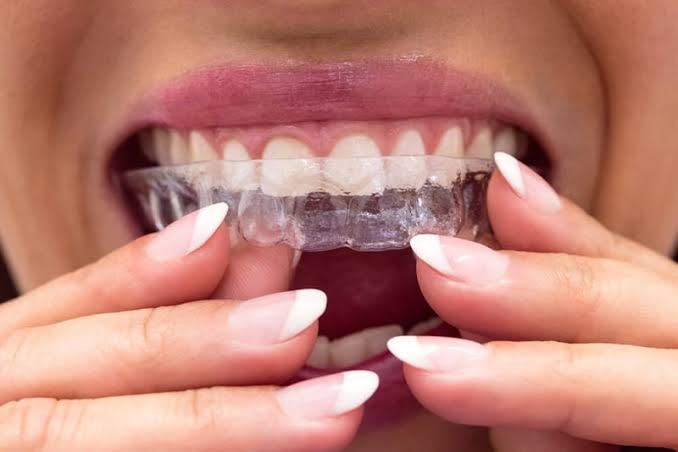


The answer to how often clear aligners are changed depends on your individual treatment plan. Aligners are changed at intervals set by the orthodontist, usually planned at between one and two weeks. The timing of each switch may vary depending on the amount of tooth movement, how consistently the aligners are worn and the findings at check-ups.
Clear aligner treatment is a series of aligners, each designed to move the teeth one small step forward. Moving from one aligner to the next plays an important role in keeping treatment on track. In this article, we look at the factors that determine aligner changes and what you need to know when switching to a new tray.
Why Are Clear Aligners Changed at Set Intervals?
Each aligner is made to move the teeth from their previous position to the next planned position. When an aligner is worn, it applies a light, continuous force to the teeth. In response, the teeth move in very small amounts, and the bone and connective tissues around each tooth also remodel.
It takes time for the teeth to reach the position the aligner is designed for and for the tissues to adapt to this change. The interval between aligner changes is set to allow this biological process to be completed. If aligners are changed earlier than recommended, the teeth may not be ready for the next aligner, and it may not fit fully.
How Often Are Clear Aligners Changed? Factors That Set the Interval
There is no single number of days that applies to everyone. When setting the interval, the orthodontist considers several factors together:
- Treatment plan: The type and amount of tooth movement planned at each stage
- Wear time: Whether the aligners are worn for the recommended number of hours each day
- Response of the teeth: How the teeth adapt to the aligners can vary from person to person
- Root and bone structure: Root length, bone density and gum health
- Check-up findings: Whether the aligners fit the teeth fully and whether movements are progressing according to plan
For this reason, the interval may change at different stages of treatment. When the orthodontist considers it necessary, you may be asked to wear an aligner for longer.
For example, at stages where the root of a tooth also needs to move, or when a tooth is planned to rotate, more time may be allowed for the tissues to adapt. On the other hand, at stages with more limited movements, changes may follow a different pattern. This is why the aligner schedule of a friend or family member may not be a useful guide for you. Each treatment plan is prepared individually according to the person’s tooth structure and the movements being aimed for.
If you are unsure about when to change your aligners, it is advisable to ask your orthodontist rather than going by your own estimate. In particular, if the aligner that is due to be changed still does not fit tightly on the teeth, this is important information for the orthodontist when planning the next step.
Wearing the aligners for enough hours each day is the basic condition for keeping to the schedule. You can find details on daily wear time in our article on how many hours a day clear aligners should be worn.
What to Know When Switching to a New Aligner
Timing the Switch
Many orthodontists recommend switching to a new aligner in the evening, before going to bed. This way, the tightness and pressure that may be felt in the first few hours pass during sleep. Even so, your orthodontist’s recommendation on timing should be followed.
How It Feels in the First Days
It is common to feel pressure, tightness or mild sensitivity in the teeth when a new aligner is put in. This feeling shows that the aligner is applying force to the teeth and usually eases within a few days. Softer foods may be preferred during this time. Taking the aligner out for long periods during the day because of sensitivity can delay the teeth adapting to the new aligner, so it is important to keep it in for the recommended time. If sensitivity keeps increasing or you feel sharp pain in a particular tooth, it is advisable to let your orthodontist know.
Making Sure the Aligner Fits Fully
A new aligner should sit fully on the teeth. If there is an air gap between the edge of the aligner and the tooth, seating aids recommended by the orthodontist (such as chewies) can help the aligner settle. If the gap is still there after a few days, the orthodontist should be informed.
Attachments and Aligner Fit
If attachments have been bonded to the teeth, make sure the aligner fits fully over them. If an attachment has come off or broken, it is advisable to get your orthodontist’s opinion before continuing with the next aligner.
Common Mistakes When Changing Aligners
For treatment to progress as planned, some mistakes should be avoided when changing aligners:
- Changing aligners early: Changing aligners sooner than recommended in the hope of shortening treatment can prevent the teeth from progressing according to plan.
- Delaying the switch: Putting off changes without reason can extend the treatment timeline.
- Mixing up the order: Aligners are numbered and should only be used in the order specified.
- Throwing away old aligners: Keeping the previous aligner is useful, as it can be used temporarily if the new one is lost or broken.
- Ignoring fit problems: Continuing with an aligner that does not fit fully can cause the teeth to drift from the plan.
For the steps to follow if an aligner breaks or is lost, see our article on what to do if clear aligners break or get lost.
The Role of Check-Ups in Aligner Changes
Check-up appointments are when the orthodontist assesses whether the teeth are moving according to plan. At these visits, the orthodontist examines how the aligners fit, the condition of the attachments and the health of the gums. If needed, the change interval may be updated or mid-course correction (refinement) aligners may be planned.
In some treatment plans, several sets of aligners are handed over at once and the patient changes them between check-ups. In this case, it is important to follow the schedule and to report anything unexpected without waiting for the next appointment. For an overview of the treatment, see our clear aligner treatment page.
Frequently Asked Questions
Will my treatment be shorter if I change my aligners early?
Changing aligners earlier than recommended may not shorten treatment. If you move to a new aligner before the teeth have completed the previous movement, the aligner may not fit fully and corrections may become necessary. Only the orthodontist should change the interval.
What should I do if a new aligner feels very tight?
It is common for a new aligner to feel tight in the first days, and this usually eases within a few days. If the tightness lasts a long time, there is significant pain or the aligner does not fit fully, it is advisable to let your orthodontist know.
What happens if I miss my aligner change date?
A delay of a few days usually does not cause a serious problem, but it is important to keep wearing your current aligner. You should follow your orthodontist’s advice on how to proceed.
Do I need to keep my old aligners?
Keeping the previous aligner is usually recommended. If the new aligner breaks or is lost, the old one can be used temporarily under your orthodontist’s guidance.
Note: This article is for general information purposes only. Whether treatment is needed and which method is appropriate are determined individually by your dentist after an examination and any necessary tests.