

How to Reduce Gum Problems with Oral Hygiene Care?
Oral and dental health doesn’t just mean having teeth free of decay; the health of the soft tissues (gums) and supporting bone tissue surrounding the teeth is vital for the integrity of this system. Gum problems (periodontal diseases), commonly seen in society, often begin with simple gum bleeding, but if left untreated, they become the primary cause of tooth loss. The underlying biological mechanism of these problems is microbial dental plaque that accumulates on the tooth surfaces. Therefore, the most effective way to reduce or prevent gum problems is through the regular and effective removal of this plaque. Oral hygiene care is a disciplined process consisting of a combination of professional procedures performed in the dentist’s chair and daily routines applied at home.
The Biological Basis of Gum Disease: Microbial Plaque
To understand gum problems, it is first necessary to know the enemy. Bacteria naturally present in the mouth combine with saliva proteins and food particles to form a colorless, gel-like layer that adheres to the tooth surfaces. This is called “microbial dental plaque” or “biofilm.” Plaque is a dynamic and living structure. When not regularly cleaned, the number and variety of bacteria within it increase. These bacteria produce acids and toxins as metabolic waste. The toxins produced irritate the gum tissue, triggering the body’s immune system. The body sends defense cells to the area against these bacteria, and inflammation occurs as a result of this battle. This condition, which manifests as redness, swelling, and bleeding in the gums, is actually the result of the body’s response to the bacteria. If plaque calcifies and turns into tartar, it can no longer be removed by brushing, and gum problems can become chronic, risking progression to deeper tissues.
The Power of Mechanical Cleaning: The Right Brushing Technique
The most fundamental way to reduce gum problems is to mechanically sweep plaque from the tooth surface. However, random brushing does not ensure complete plaque removal and can sometimes damage the gums. The most frequently recommended method in dentistry to protect periodontal health is the “Modified Bass Technique”. In this technique, the toothbrush is placed at a 45-degree angle to the border where the tooth and gum meet. The aim is for the tips of the bristles to gently enter the gingival sulcus. Then, without lifting the brush, small vibrating movements are applied, and then plaque is removed from the tooth surface with a sweeping motion. This method is extremely effective in preventing gingivitis by cleaning the plaque accumulated at the gum line. Avoiding harsh and horizontal movements is critical to reducing the risk of gum recession and enamel erosion. Generally, using medium-hard or soft-bristled brushes is recommended to prevent tissue trauma.
The Overlooked Danger: Interdental Hygiene
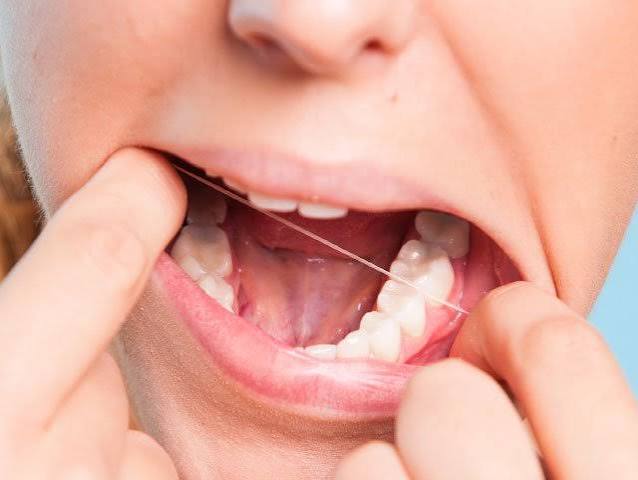
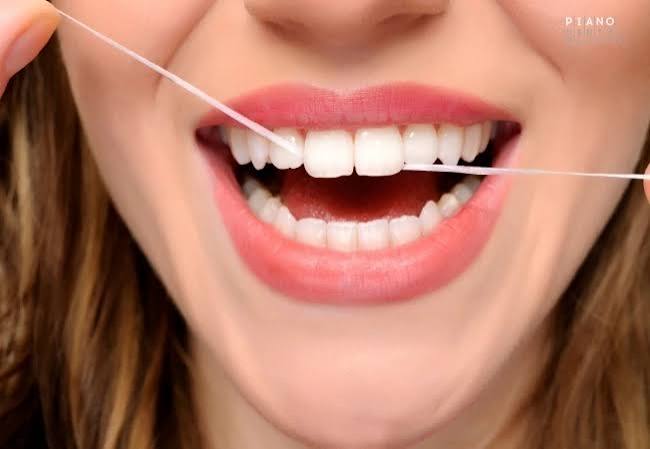
A toothbrush is effective in cleaning the front, back, and chewing surfaces of teeth; however, it is physically impossible for it to reach the lateral surfaces (interdental spaces) where teeth come into contact with each other. Yet, a large portion of gum diseases begin in these neglected areas, in the triangular gum region called the “papilla.” Plaque accumulating in interdental spaces eventually turns into tartar, pushing the gum downwards and leading to bone loss. Therefore, the use of dental floss or interdental brushes is a “mandatory” rather than an “optional” part of oral hygiene. Dental floss should be passed through the tight contact points between teeth, wrapped around the tooth surface in a “C” shape, and plaque should be scraped away with up-and-down movements. If there are gaps between teeth due to gum recession, dental floss may be insufficient; in this case, “interdental brushes” appropriate to the size of the gap should be used. Interdental cleaning is one of the fastest methods to reduce gum bleeding.
Disease Stages and Hygiene Approach
Gum problems progress through different stages depending on their severity and the tissues they affect. Adjusting hygiene habits according to these stages is important to stop the progression of the disease. The table below summarizes the stages of gum disease and the hygiene parameters to be considered in these stages:
| Disease Stage | Clinical Symptoms | Affected Tissues | Recommended Hygiene Focus Point |
|---|---|---|---|
| Gingivitis (Gum Inflammation) | Red, swollen gums, bleeding when brushing. | Soft tissue only (Gums). | 100% reversible with regular brushing and flossing. Plaque control is essential. |
| Early Periodontitis | Formation of the gingival pocket, mild bone loss. | Gum and supporting bone tissue. | Professional cleaning + IntermediateUse of a facial brush + Antibacterial mouthwashes. |
| Advanced Periodontitis | Tooth loosening, gum recession, abscess formation. | Widespread bone loss and destruction of supporting tissue. | Advanced periodontal treatments + Special care devices (oral irrigator, etc.) + Frequent check-ups. |
The Supportive Role of Chemical Agents
Mechanical cleaning (brushing and flossing) is always the cornerstone of oral hygiene, but in some cases it may need to be supported with chemical agents (mouthwashes). Especially in patients with limited dexterity or in acute gum infections, antiseptic mouthwashes help reduce the number of bacteria. Mouthwashes containing chlorhexidine gluconate, essential oils, or cetylpyridinium chloride delay plaque maturation and suppress gingivitis. However, prolonged use of these products without a dentist’s recommendation can lead to side effects such as staining of teeth or altered taste. Natural methods, such as salt water gargling, can also be used as a safe aid in reducing gingival swelling and accelerating tissue healing. It should be remembered that no mouthwash alone can replace brushing; it is only a complementary element.
Managing Risk Factors
Even with excellent oral hygiene habits, some environmental and systemic factors can increase susceptibility to gum problems. Being aware of and managing these risk factors is critical to the success of treatment:
- Smoking: Smoking constricts blood vessels in the gums, impairing blood flow. This masks bleeding, the most important symptom of gum disease, and causes the disease to progress silently. It also significantly reduces healing capacity.
- Diabetes: Uncontrolled diabetes increases susceptibility to gum infections. Similarly, severe gum disease makes it difficult to control blood sugar. This bidirectional relationship requires diabetic patients to pay extra attention to oral hygiene.
- Stress and Bruxism: Stress suppresses the immune system, weakening its ability to fight infection. In addition, stress-related teeth grinding (bruxism) can accelerate periodontal destruction by applying excessive force to the tissues supporting the teeth.
Nutrition: Vitamin C deficiency can increase gum bleeding. Sugary and sticky foods accelerate plaque formation, while fibrous foods (apples, carrots, etc.) provide a natural cleaning effect during chewing.
Important Note: The idea of ”My gums are bleeding, I should stop brushing” is a common but extremely wrong belief. Bleeding is a sign that there is an infection in that area and it needs to be cleaned. Continuing to brush gently and floss despite bleeding will reduce the infection and stop the bleeding.
Continuity of Professional Care
No matter how meticulous home care is, tartar formation in hard-to-reach areas of the teeth is inevitable over time due to minerals in saliva. Tartar creates a rough surface for bacteria to adhere to and cannot be removed with home brushes. Therefore, regular dental check-ups every six months and professional tartar removal (detartration) play a key role in preventing gum problems. The dentist monitors the course of the disease by measuring gum pockets, cleans areas the patient cannot reach, and provides personalized hygiene education. Early diagnosis prevents a problem that could be solved with a simple cleaning from developing into a complex condition leading to tooth loss.
In conclusion, reducing gum problems through oral hygiene care requires a disciplined and conscious approach. Brushing with the correct technique, interdental cleaning, and regular professional check-ups are the foundation of healthy gums and, consequently, overall health. Investing in gum health pays off not only in an aesthetically pleasing smile but also in a functional chewing system and a healthy life.