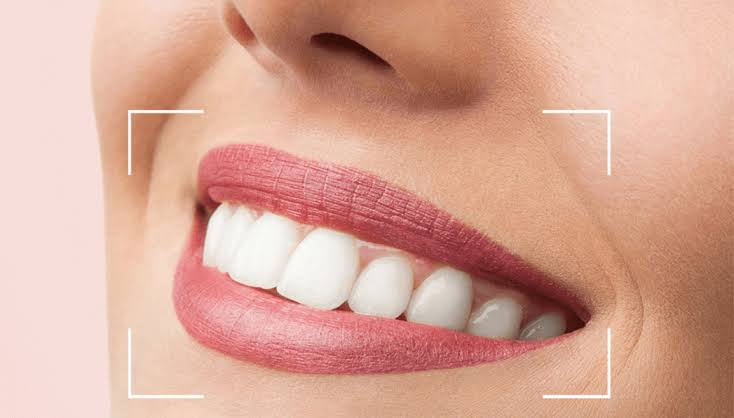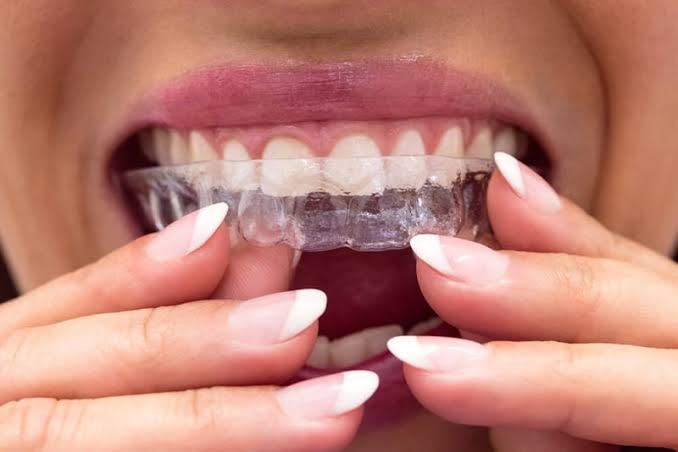


Tooth shade in smile design is not decided only by the question “how white?”; it is determined by the hue, value (brightness) and translucency of the tooth together with the person’s facial features. Shade selection is usually done with shade guides and, where needed, digital measuring devices under suitable lighting. If whitening is planned, the shade of veneers or crowns is usually chosen once whitening is complete and the tooth colour has stabilised.
Tooth colour is one of the first features of a smile that people notice. However, a harmonious shade often does not mean the lightest shade. In this article, we look at the factors considered when choosing a shade and where whitening fits into the treatment sequence.
What Makes Up Tooth Colour?
A natural tooth is not a single colour. The thickness and structure of the enamel and dentine layers, and the way they let light through, determine how the tooth looks. When assessing colour, dentists examine several properties separately:
- Hue: The basic quality of the colour; teeth usually show yellowish or reddish-brown tendencies.
- Saturation (chroma): The intensity of the hue. Saturation is usually higher near the neck of the tooth.
- Value (brightness): How light or dark the tooth is perceived to be. Aesthetically, it is often considered more decisive than hue.
- Translucency: The semi-transparent appearance created as light passes through, especially at the biting edges.
- Surface texture and lustre: Fine lines and ridges on the surface affect how light is reflected and therefore how colour is perceived.
What Is Considered When Choosing Tooth Shade in Smile Design?
Facial and skin features
Skin tone, the colour of the whites of the eyes, lip colour and hair colour can affect how the teeth are perceived. The same tooth shade can look different on different faces. For this reason, shade is assessed not only on the teeth but together with the face as a whole.
Age and expectations
Teeth usually darken slightly with age, and their translucency changes. A shade that clearly does not match the person’s age can look artificial. The balance between the person’s expectations and the shade that suits their facial features should be discussed openly during planning.
Number of teeth included in treatment
If only a few teeth are being restored, the shade is chosen to match the neighbouring natural teeth. When all visible teeth are treated, there may be more flexibility in shade selection, but the colour of the lower teeth and other untreated teeth is still taken into account.
Harmony with the lower teeth and other teeth
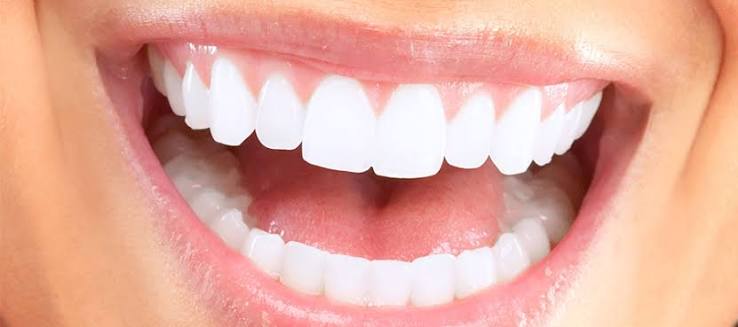
When smiling and speaking, the lower teeth are visible as well as the upper teeth. If only the upper teeth are being restored, the shade of the lower teeth is also assessed to avoid a noticeable colour difference. If needed, whitening of the lower teeth may also be included in the plan.
How Is Shade Measured?
Shade selection is more delicate than it may seem. Perception can change depending on the light source, the colours in the room and eye fatigue. For this reason, some basic principles are followed:
- Where possible, shade is selected under standard lighting close to daylight.
- Shade is determined at the start of the appointment, before the teeth dry out; a dried tooth can look lighter than it is.
- The shade guide is held close to the tooth and compared using short glances.
- Where needed, digital shade measurements and standard photographs are sent to the laboratory.
Having the shade tab visible right next to the tooth in photographs shared with the laboratory can help the dental technician interpret the shade more accurately.
Why Is Whitening Planned Before Veneers and Crowns?
Ceramic veneers, crowns and composite restorations do not respond to whitening the way natural teeth do. In other words, whitening carried out after a restoration has been placed lightens the natural teeth but does not change the colour of the restoration. This can lead to a colour difference between the restoration and the surrounding teeth.
For this reason, if whitening is being considered as part of smile design planning, the following sequence is usually followed:
- The health of the teeth and gums is assessed and any necessary treatment is completed.
- If considered suitable, teeth whitening is carried out.
- After whitening, there is a waiting period until the tooth colour stabilises. This helps the shade to be determined more accurately and prevents the bonding process from being adversely affected.
- The shade of the restorations is chosen according to the new colour the teeth have reached.
The waiting period can vary according to the method used and the individual; this is decided based on the dentist’s assessment. It should also be noted that whitening is not suitable for everyone. For sensitivity, exposed root surfaces or certain types of discolouration, other approaches may be considered.
Restoration Material and Shade
The material used affects how colour and translucency are conveyed. Lithium disilicate ceramics are generally known for high light transmission; zirconia may have a more opaque structure, although different types of zirconia show different translucency properties. With options such as laminate veneers and e.max restorations, the colour of the underlying tooth can also affect the result. A very thin veneer over a dark tooth may not fully mask the colour underneath.
Root canal treated and darkened teeth
Teeth that have had root canal treatment or have darkened after trauma are considered separately in shade planning. In these teeth, whitening applied from the outer surface may not be effective enough; in some cases, internal whitening methods may be considered. When the colour difference is marked, more opaque materials that can mask the dark colour underneath, or restorations of a different thickness, may be planned. The aim is for this tooth to give the same colour impression as the neighbouring teeth.
For more information on comparing materials, you can read our article comparing zirconia and lithium disilicate.
Frequently Asked Questions
Is choosing the lightest shade the right choice in smile design?
Not always. A very light shade can look artificial on some faces. Shade is chosen according to how it harmonises with skin tone, age, the whites of the eyes and untreated teeth.
Can I whiten my teeth after getting veneers?
Whitening affects natural teeth but does not change the colour of veneers. For this reason, whitening done afterwards can create a colour difference; whitening is usually planned before restorations.
Does the colour of restorations change over time?
Ceramic restorations are generally resistant to colour change. Composite restorations, on the other hand, can stain over time and may need polishing or renewal.
Why is the shade checked under different lighting?
Tooth colour can be perceived differently depending on the type of light. For this reason, shade is determined under standard lighting as far as possible; in some cases, it is also checked under different lighting conditions so that it looks harmonious in everyday life.
Note: This article is for general information purposes only. Whether treatment is needed and which method is appropriate are determined individually by your dentist after an examination and any necessary tests.