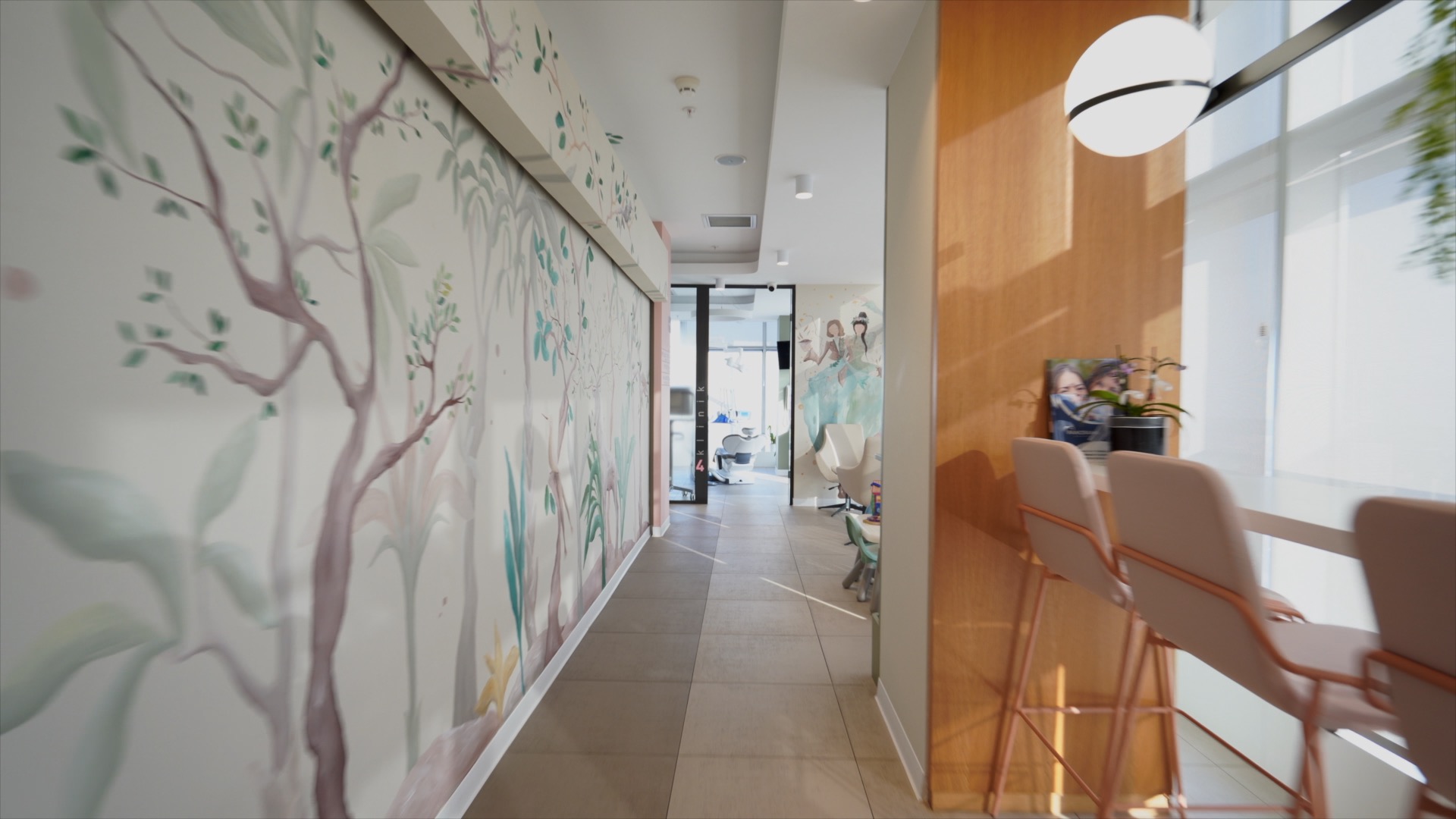


Dental Implant Clinics in Ankara
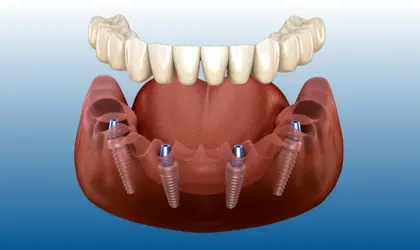
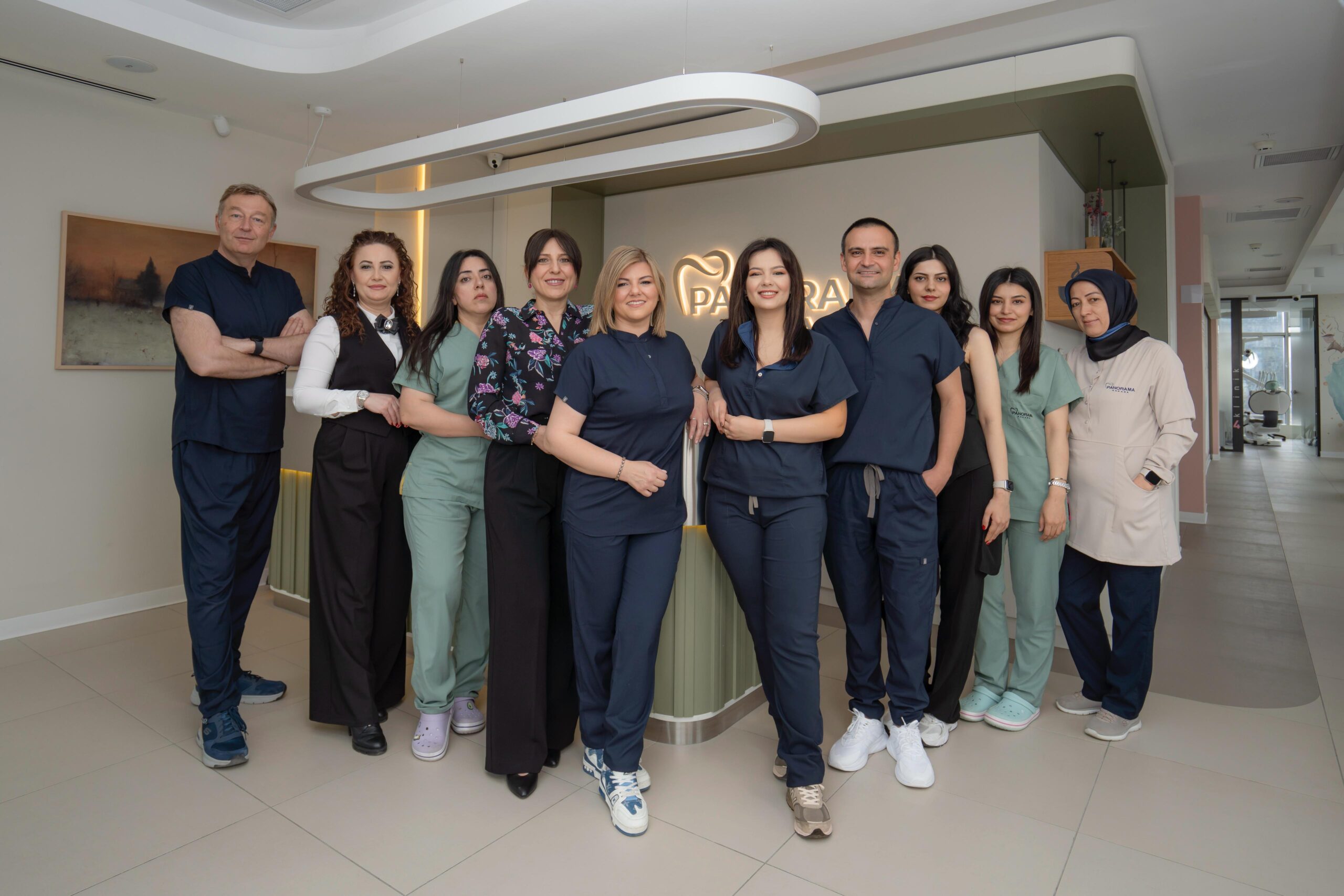
Ankara, the capital city of Türkiye, is one of the cities with the strongest healthcare infrastructure, and is an important center in the field of dentistry with its rich academic staff and technologically advanced healthcare facilities. Dental implants, the most accepted treatment method for replacing missing teeth today, are serious procedures requiring surgical precision and prosthetic expertise. Therefore, for patients researching “dental implant clinics in Ankara,” the right address should be not only those with a close physical location, but also institutions that inspire confidence with their sterilization standards, physician experience, and technological infrastructure.
Critical Criteria for Choosing the Right Clinic
An implant is a medical material placed inside the body and can involve processes that are difficult to reverse. Therefore, when making a choice, the approach should be focused on “quality and safety,” not “price.” The key criteria that patients considering implants in Ankara should inquire about are as follows:
- Specialization and Experience: The experience of the surgeon performing the implant is the biggest key to success. Specialization in Oral Surgery (Oral Diagnosis and Radiology) or Periodontology is important in terms of managing surgical complications.
- Radiological Infrastructure (Tomography): Two-dimensional panoramic X-rays may not always be sufficient in implant treatment. The presence of a “Dental Volumetric Tomography” (CBCT) device in the clinic, which measures the location of nerve canals and bone thickness with millimeter precision, or the routine request of this imaging, increases the safety of the procedure.
- Sterilization Chain: Implant surgery must be performed under sterile conditions. The use of a “Class B Autoclave” device in the clinic, sterilization of instruments by packaging, and opening surgical sets individually for each patient are vital.
- Implant Brand and Passport: The implant used must have international certifications (FDA, CE) and the patient must be given an “Implant Passport” or certificate containing the serial number of the implant after the procedure.
Comparative Analysis of Institution Types
We have summarized which institution may be more suitable according to patient expectations in the table below:
| Features | University Hospitals | Private Dental Clinics |
|---|---|---|
| Physician Staff | Academicians (Prof., Assoc. Prof.) and Assistants | Specialist Physicians and General Practitioners |
| Appointment and Duration | Due to high demand, appointments may be scheduled for a later date. | Appointment times are flexible, waiting times are short. |
| Technology Usage | High technology focused on education and research. | Digital dentistry focused on patient comfort and speed. |
| Case Difficulty | Ideal for very complex and risky cases. | Ideal for routine and aesthetically focused cases. |
Implants in Ankara
How Does the Treatment Process Work?
In a qualified center, the implant process follows a standard protocol:
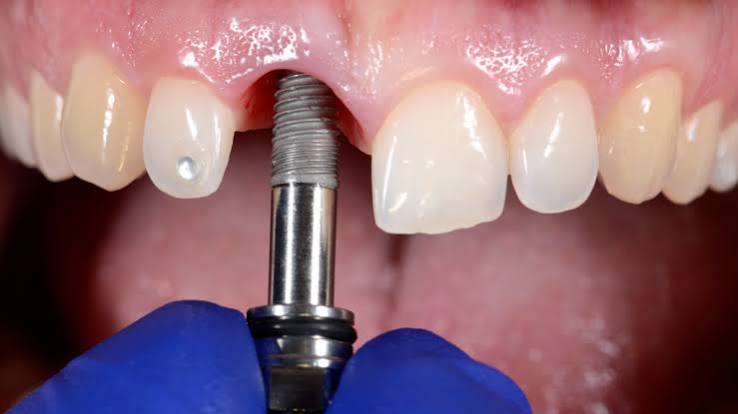
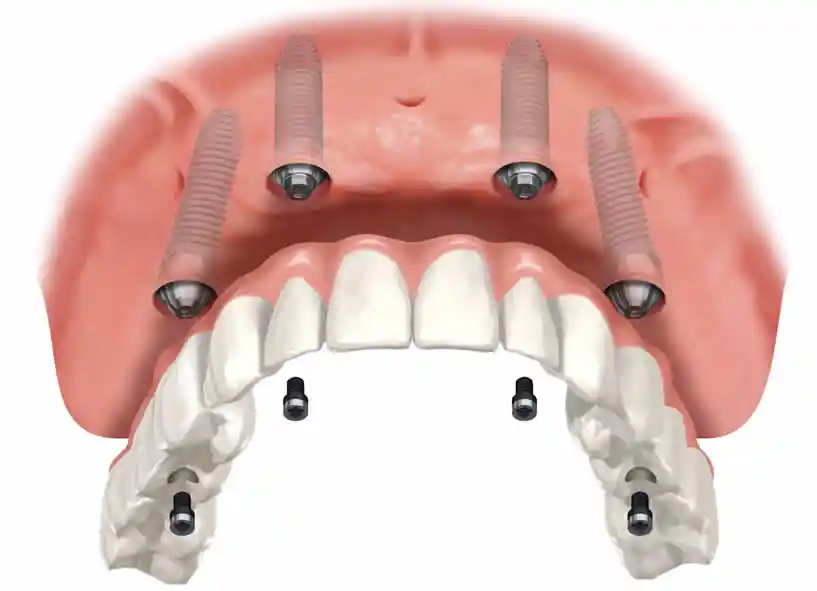
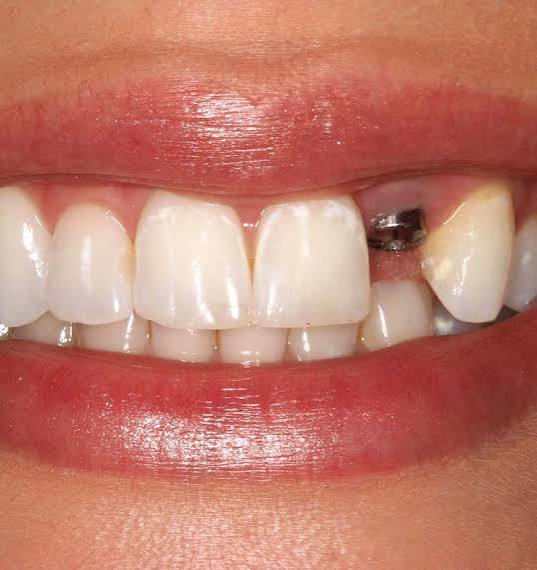
1. Consultation and Planning: The physician inquires about the patient’s general health status (diabetes, heart disease, etc.) and analyzes the bone structure with 3D tomography. The length, diameter, and angle of the implant are determined at this stage.
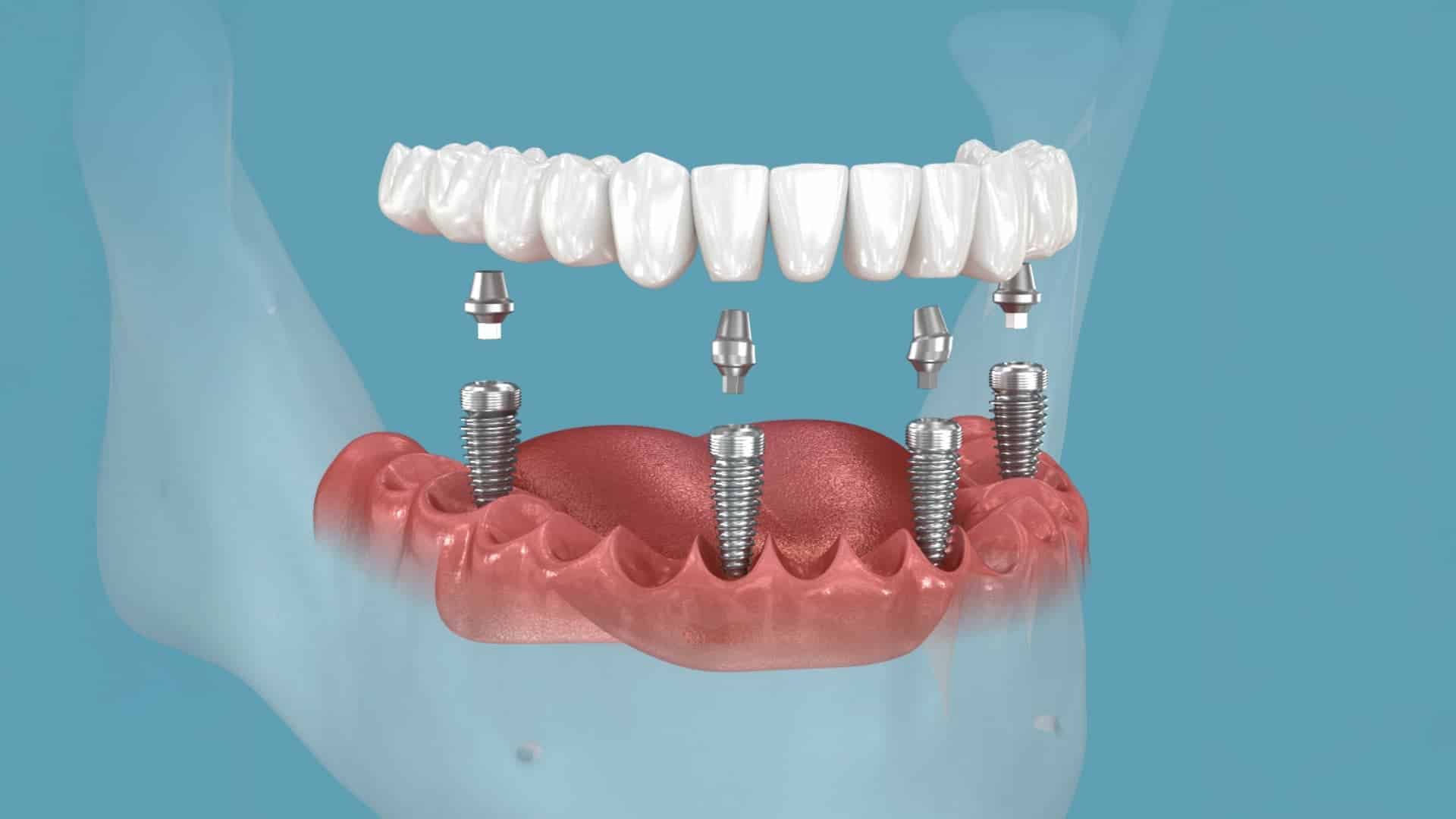
2. Surgical Stage: Under local anesthesia, the implant is placed in the bone. If there is insufficient bone, advanced surgical procedures such as “Sinus Lifting” or “Bone Grafting” can be performed in the same session or beforehand.
3. Healing (Osseointegration): It takes an average of 2-3 months for the lower jaw and 3-4 months for the upper jaw for the implant to fuse with the bone.
4. Prosthesis Fabrication: After fusion is complete, impressions are taken and aesthetic teeth (Zirconium or Porcelain) suitable for the patient’s facial structure are prepared.
Conclusion: Don’t Leave Your Health to Chance
Researching implant clinics in Ankara is not a shopping process, but a serious health decision. Although the success rate of implant treatment can reach up to 98%, this success rate depends on the correct indication, a sterile working environment, and the use of quality materials. When choosing the institution where you will receive treatment, the communication you establish with your doctor, the hygiene standards of the clinic, and the transparency of the treatment plan presented to you should be your most important guides.