

Pregnancy causes many physiological transformations in the mother’s body with changes in hormones. The gums in particular become sensitive to the increase in progesterone and estrogen. Problems such as swelling, bleeding and sensitivity of the gums are common. At the same time, the increased risk of gestational diabetes disrupts the pH balance in the mouth, paving the way for the formation of cavities. The mother’s oral health also directly affects the baby through the placenta. Bacteria and inflammation accumulated in the mouth can increase the risk of premature birth, low birth weight or preeclampsia. Therefore, regular check-ups with the dentist during pregnancy are critical.
Recommendations for Dental Health During Pregnancy
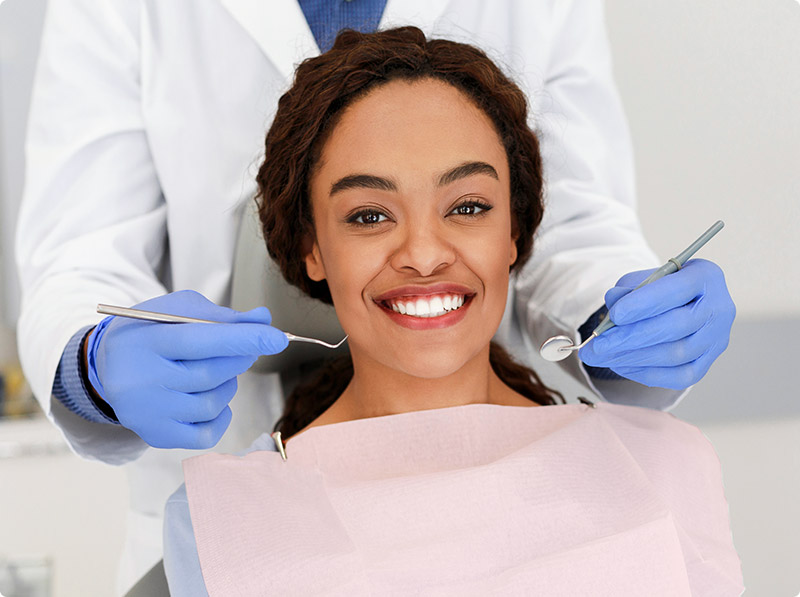
- Regular Dental Checkups:
- Dentist visits are recommended only for emergencies during the first trimester of pregnancy.
The second trimester (weeks 14–28) is the safest period for evaluations.
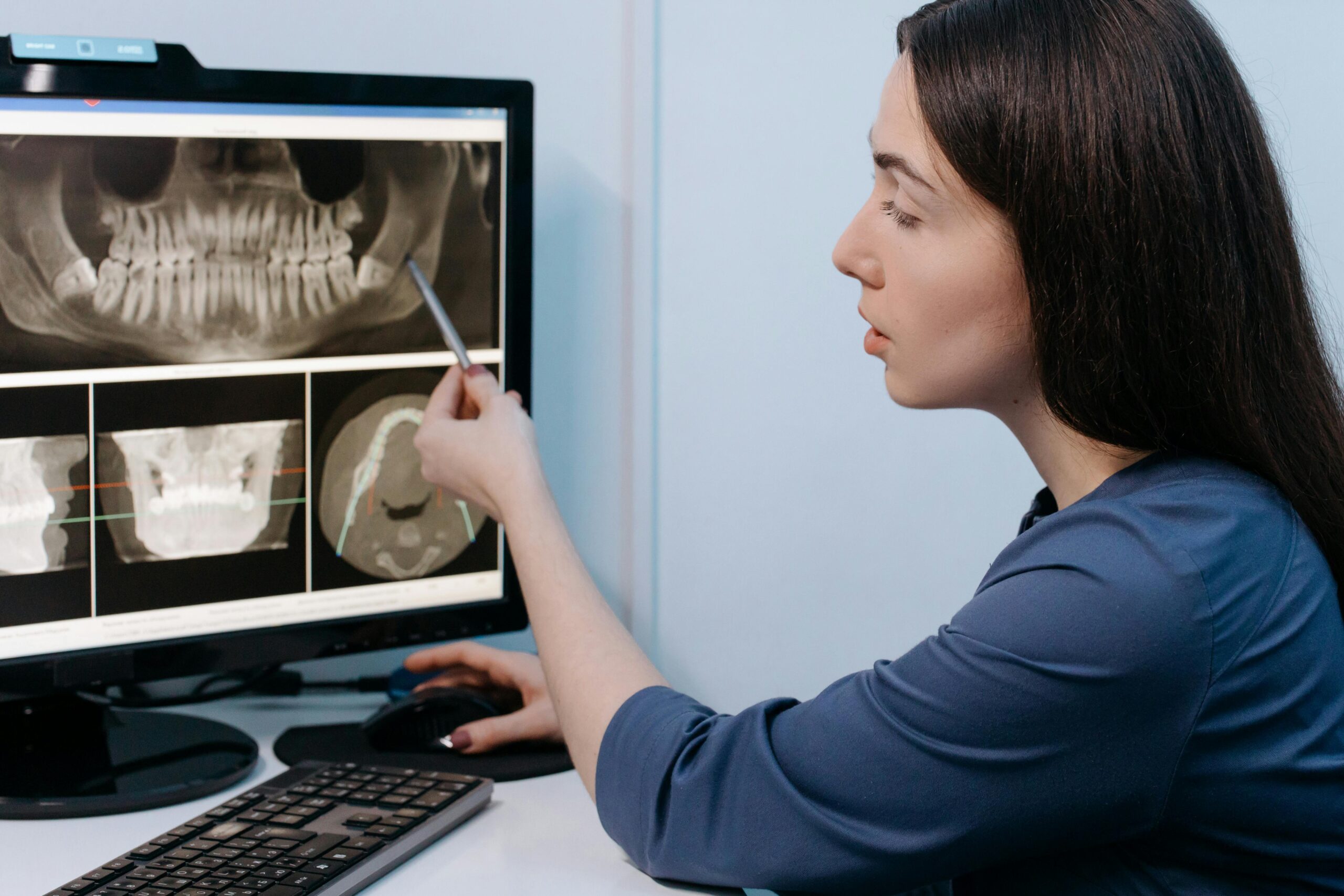
Avoid radiographic imaging; limit with lead apron if necessary.
- Gentle and Effective Cleaning:
Choose a soft-bristled toothbrush and fluoride toothpaste.
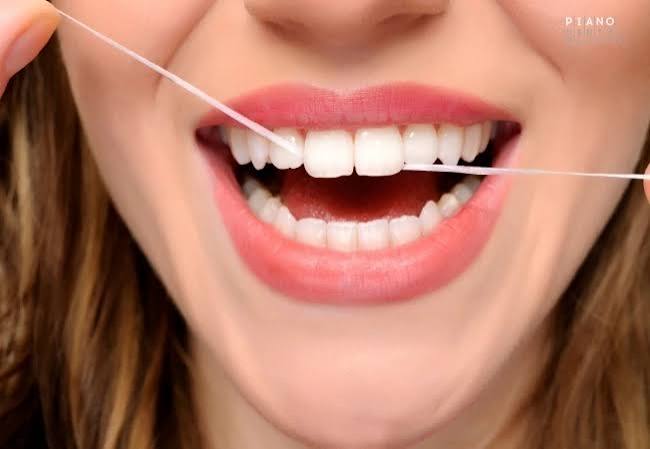
Clean your interdental spaces daily with dental floss or interdental brushes.
Antiseptic mouthwash (non-alcoholic) may help reduce bleeding.
- Diet:
Consume foods rich in calcium and vitamin D, such as milk and yogurt.
Limit sugary snacks to meals; rinse your mouth with water after dessert.
Chewing vegetables and fruits encourages saliva production, providing natural cleaning.
- Managing Heartburn:
Sleep in an upright position to prevent acid reflux, avoid eating 2 hours before going to bed.
Gargle your mouth with water after reflux; neutralize before using fluoride toothpaste.
- Stress and Sleep Patterns:
Insufficient sleep and stress can weaken the immune system and cause mouth sores.
Deep breathing exercises, pregnancy yoga and regular walking reduce dry mouth.
Dental Health Tips for Mother and Baby
- Support Mother’s Oral Flora:
The baby temporarily receives oral flora from the mother during birth. Babies born with healthy flora may be more resistant to cavities in the future. - Breastfeeding and Dental Health:
The milk that passes from the mother’s mouth to the baby during breastfeeding carries protective antibodies. However, prevent plaque formation by rubbing water on the baby’s gums after breastfeeding. - Baby Bottle Tooth Decay (Early Childhood Caries) Prevention:
Gargle with water after bottle feeding; limit nighttime bottle feeding to water only. - Oral Habits:
If habits such as lip sucking and finger sucking are prevented at an early stage, the risk of orthodontic problems in the future decreases. - Using Antibiotics and Vitamins:
Under doctor’s supervision, supplemental vitamins (B, C, D) can strengthen the mother’s gums; however, avoid unnecessary use of antibiotics.