

Ankara Mini Dental Implant Placement
In dental practice, the rehabilitation of complete tooth loss (edentulism) is one of the most critical medical processes that directly determines a patient’s quality of life. For many years, conventional removable dentures (palatal plates) have caused major difficulties during speech and chewing, especially because the lower jawbone (mandible) is constantly in motion under the influence of the tongue and cheek muscles. Moreover, when many years pass after tooth loss, the jawbone is deprived of mechanical stimulation and begins to resorb at a cellular level, becoming as thin as a knife edge (severe alveolar ridge atrophy). In cases where the bone has resorbed to this degree, months-long, highly traumatic, and costly advanced bone grafting (bone particulate) procedures become mandatory in order to place standard-diameter titanium implants. However, advanced age, systemic conditions (diabetes, hypertension), or an inability to tolerate long surgical procedures prevent many patients from accessing these conventional implant treatments. Embracing a “Minimally Invasive” (minimal tissue trauma) philosophy in Ankara mini dental implant placement, Panorama Ankara overcomes these anatomical and biological barriers with high-engineering narrow-diameter implant systems. These elegant titanium roots—known in the medical literature as “Mini Dental Implants” (MDI)—can be placed even into jawbones that have thinned to a knife edge without the need for any bone grafting procedures, locking those exhausting removable dentures that constantly move and cause sore spots firmly onto the jawbone and providing patients with a unique freedom to chew.
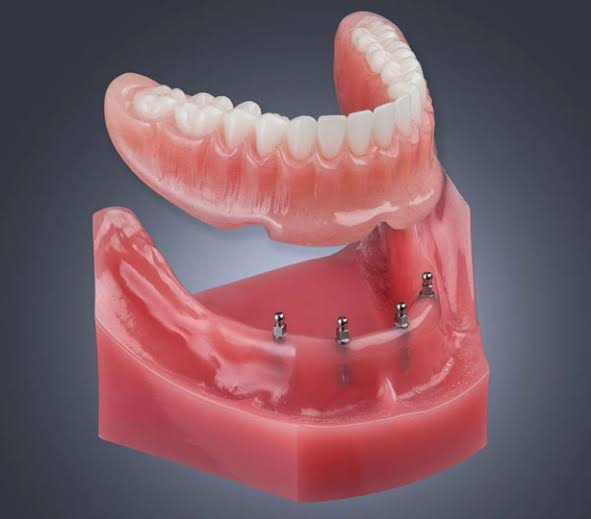
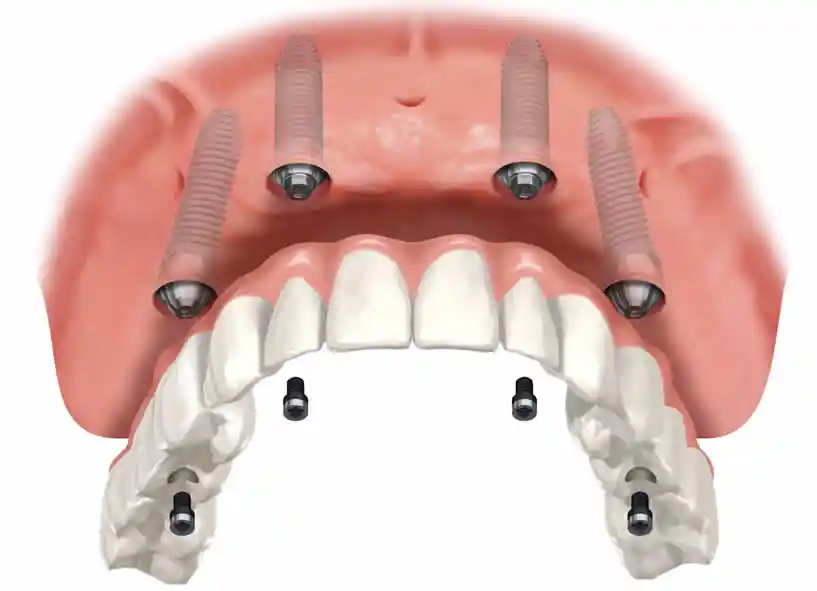
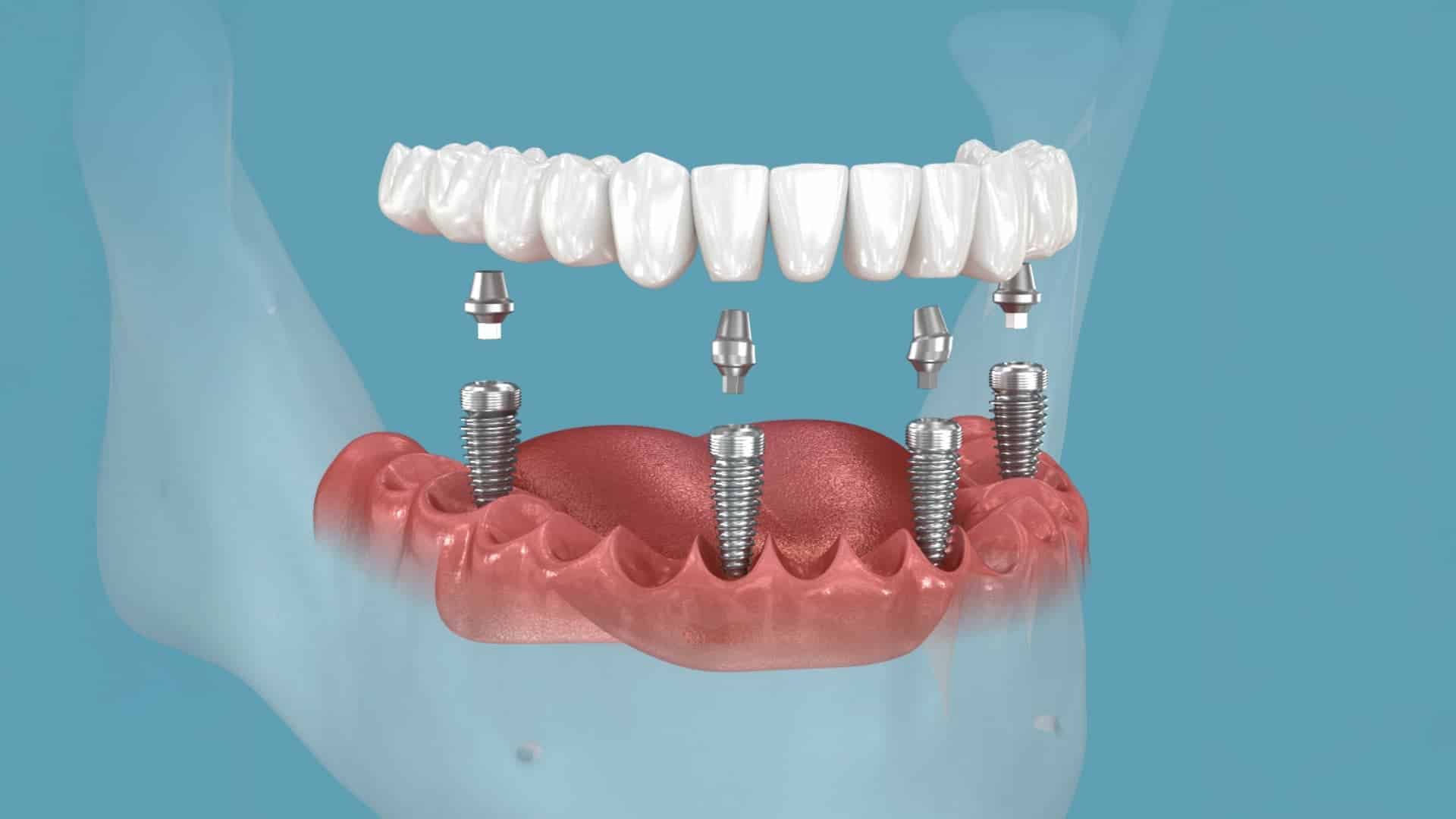
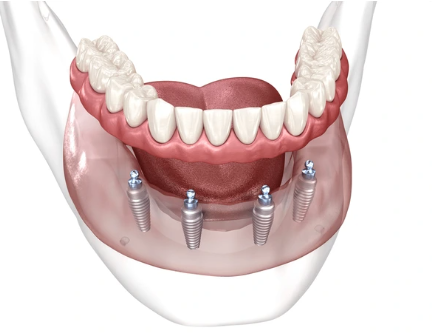
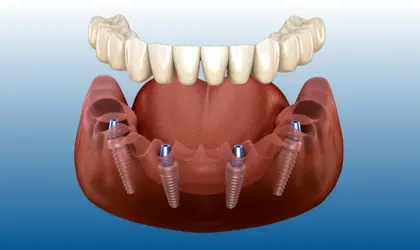
The biomechanical architecture of mini implants is based on a philosophy that is completely different from conventional implants in both diameter and placement protocol. While standard implants typically have diameters ranging from 3.5 mm to 5.0 mm, mini implants are extremely slender and refined, with diameters between 1.8 mm and 3.0 mm. This narrow form factor allows the implant to safely find a place even in very limited bone volumes without damaging blood vessels and nerve tissues within the bone (especially the mental nerve in the lower jaw). The superstructure of mini implants does not include a separate component (abutment) that is later screwed on, as in standard implants; instead, the root portion and the coronal portion that will retain the denture (typically a ball-shaped head—ball attachment) are manufactured as a single-piece (monoblock) unit. Despite its narrow diameter, this monoblock titanium alloy demonstrates outstanding physical resistance to fracture (tensile strength). By strategically placing generally 4 mini implants in the lower jaw and 6 in the upper jaw at calculated angles, Panorama Ankara’s experienced oral and maxillofacial surgeons distribute chewing pressure into the bone in a homogeneous manner and “snap-lock” the patient’s long-displacing denture onto the bone with an overdenture mechanism.
Flapless (Sutureless) Surgical Protocol: Transgingival Placement and Rapid Healing
The true medical revolution that makes mini implant systems so attractive for both patients and clinicians is the extraordinary respect they show to soft tissues during the procedure. In conventional implant surgery, to visualize the jawbone, the gum tissue must be incised with a scalpel and widely reflected from the bone (a flap is raised). After the procedure, the tissue is closed again with sutures. This can cause swelling (edema), bruising, and pain lasting for days after surgery. In contrast, mini implant procedures performed at Panorama Ankara are carried out with an advanced technique known in the literature as “Flapless Surgery” (sutureless/flapless surgery).
In this closed surgical system, the clinician does not incise the gum tissue with a scalpel or reflect it from the bone. Guided by three-dimensional tomographic data (CBCT), a tiny pilot opening—no larger than a needle tip—is created directly through the gum (transgingivally). The mini implant is then slowly threaded into the jawbone through this small opening. Because tissue integrity is preserved, blood flow is not disrupted, and the periosteum (bone membrane) is not traumatized, there is almost no bleeding, swelling, or pain after the procedure. Under local anesthesia, the patient can return to daily social life the very same day after this short, atraumatic procedure that typically takes only 30–40 minutes.
Clinical Comparison: Standard Implants vs. Narrow-Diameter (Mini) Implants
Choosing which implant system to use—based on the patient’s jawbone quality and prosthetic expectations—forms the foundation of long-term medical success. To help patients understand their physiological limits and treatment alternatives transparently, Panorama Ankara summarizes the biomechanical differences between conventional implants and mini implants in the clinical setting in the table below.
| Clinical & Operational Parameters | Standard-Diameter Dental Implants (3.5 mm – 5.0 mm) | Mini Dental Implants (1.8 mm – 3.0 mm) |
|---|---|---|
| Bone Volume & Need for Advanced Surgery | Requires thick, wide bone; if bone has resorbed, months-long graft (bone particulate) procedures are necessary. | Can be placed even in knife-edge-thin (atrophic) bone without the need for bone grafting procedures. |
| Surgical Invasion (Tissue Trauma) & Duration | Gums are incised (flap raised) and sutured. Healing time and post-operative swelling are more pronounced. | Gums are not incised (sutureless/flapless). The procedure is very fast, and swelling or bruising is almost never seen. |
| Prosthetic Goal & Degree of Fixation | Typically used to support fully fixed, permanent porcelain/zirconia bridges that do not come out of the mouth. | Primarily intended to prevent removable dentures from moving and to lock the denture to bone (with O-rings). |
| Immediate Loading (Same-Day Use) | Depends on bone quality; usually a 2–4 month wait is needed for osseointegration (fusion with bone). | Primary stability (initial retention) is very high; the patient’s existing denture can often be connected to the implants on the day of surgery. |
O-Ring Mechanics and Immediate Denture Stabilization
Psychologically, the most satisfying aspect of mini implant therapy is that the long-standing nightmare of “the denture popping out” can end in a single session. After mini implants are placed into the jawbone, the oral surgery and prosthodontic team creates small receptacles on the inner surface of the patient’s existing (or newly fabricated) removable denture corresponding to the ball-shaped heads of the implants. Inside these receptacles, flexible, high-resistance medical retention rings made of silicone/teflon composite—called “O-rings”—are inserted. This engineered design functions like a snap fastener.
When the patient seats the denture and gently bites down, the O-ring housings inside the denture “click” over the ball attachments of the mini implants and lock into place. This locking mechanism (overdenture stabilization) makes it physically impossible for the denture to dislodge while eating, biting into an apple, laughing, or sneezing. Furthermore, because mini implants are inserted by compressing and engaging the bone via their thread design, their initial retention (primary stability) is exceptionally high. Therefore, Panorama Ankara patients can leave the clinic the very same day—with their dentures locked and stabilized—without waiting through months of healing (bone maturation), and with a renewed confidence in chewing.
Post-Operative Maintenance and Biological Responsibilities in Mini Implant Systems
Although mini implants are technological marvels that spare patients from major surgical burdens and provide immediate stabilization, maintaining this mechanical locking system in a healthy way for years depends on the patient’s careful home-care routine. For the gum tissue to embrace the implant neck in a healthy manner and for O-ring retainers to maintain their elasticity, Panorama Ankara’s esthetic and surgical board recommends that patients adopt the following two critical rules as a lifestyle:
- When the denture is removed (typically at night), the ball heads and neck areas of the mini implants remaining in the mouth should be gently brushed with a soft toothbrush, and plaque accumulation at the gumline (risk of peri-implantitis infection) must never be allowed.
- Because the silicone O-ring inserts inside the denture—responsible for the “snap-lock” function—can gradually lose elasticity over time due to daily insertion and removal friction, they should be replaced during routine clinical check-ups, typically once a year, with a simple procedure that takes only a few minutes (periodic retainer maintenance), without waiting for retention to noticeably decrease.
Say Goodbye to Unstable Dentures and Smile Freely with Panorama Ankara
The insecurity caused by removable dentures that move in your mouth is an exhausting psychological burden that keeps you constantly on guard at dining tables and during social conversations. Having resorbed jawbone or systemic conditions that prevent extensive implant surgery does not mean you are destined to live with this discomfort for life. By combining a minimally invasive (tissue-friendly) philosophy with the most advanced technologies in Ankara mini dental implant placement, Panorama Ankara restores the chewing power you have missed through a sutureless, bloodless, and remarkably fast medical journey.
Don’t allow your dentures to move like a foreign object in your mouth any longer. You can schedule a detailed mini-implant consultation at Panorama Ankara to analyze your bone volume with our 3D tomographic scanners, determine your suitability for flapless surgery, and securely lock your dentures to your jawbone on the same day—so you can live every moment freely, without hiding your smile.