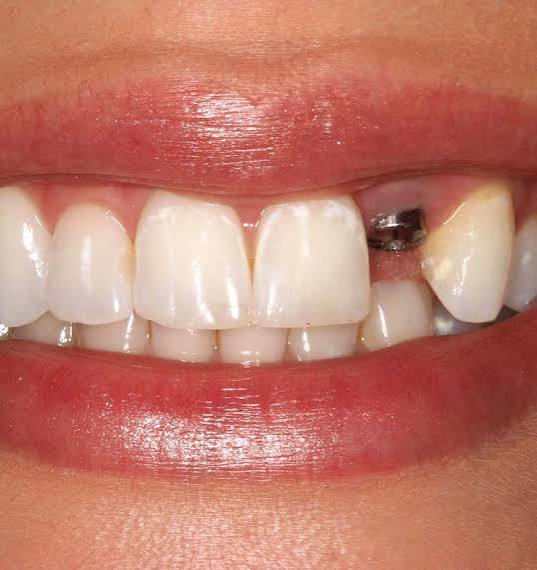


Periodontics, which we can consider as the unseen hero of oral health, is a special branch of dentistry that aims to protect the gum and bone tissues surrounding the teeth and to diagnose and treat their diseases. Since periodontal diseases can lead to tooth loss and jaw structure deterioration, which directly affects the quality of life, early diagnosis and intervention in this field are of critical importance in terms of both aesthetics and functionality.
The basis of the science of periodontics is the bacterial plaque and tartar that accumulate in the microscopic space between the tooth and the bone. If the mild redness and sensitivity that begins in the gum tissue is not treated in a timely manner, it can result in gum recession, deepening of the gum pocket and melting of the jaw bone in the future. At the end of this process, teeth may become loose, displaced or completely lost.
Periodontologists use a combination of clinical examination and radiographic imaging to determine the stage of the disease. The depth of the gum pocket, changes in gum color, bleeding tendency and bone loss are evaluated in detail. Thus, a personalized treatment plan is created; a wide range of application options are available, from simple tartar cleaning to advanced surgical techniques.
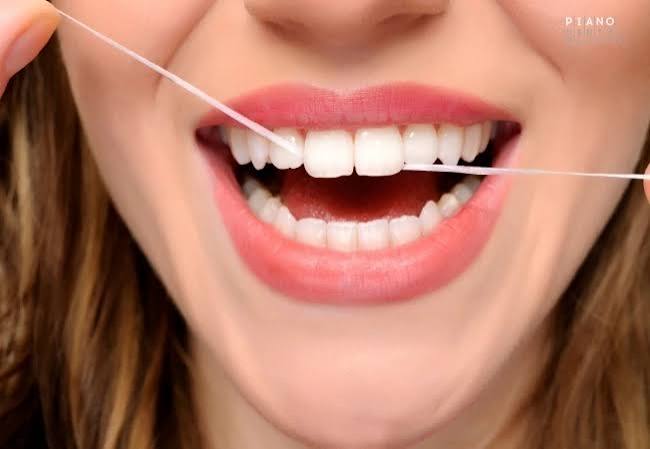
In the treatment of early-stage gingivitis, it is essential for the patient to develop oral care habits at home in addition to professional tartar cleaning. Plaque accumulation can be regularly controlled with appropriate brushing and interdental cleaning methods. In advanced cases, while the tissues are cleaned and repaired with non-surgical root surface correction (curettage), laser-assisted methods that will strengthen the gum and bone tissue can also be preferred.
In more advanced periodontal diseases, flap surgery, bone graft and tissue regeneration techniques come into play. In flap surgery, the gum is opened in a controlled manner, the root surface is cleaned and healthy tissue is reattached. Graft materials applied to areas with no bone help the body’s own healing mechanism to regenerate bone tissue. Thus, the loss of support around the teeth is minimized.
The science of periodontics not only treats existing diseases; it also sheds light on the interaction between systemic health and gum health. Research shows that chronic gingivitis is associated with general health problems such as cardiovascular diseases, diabetes and respiratory infections. Therefore, regular periodontal check-ups are also vital for the protection of overall body health.
As a result, periodontics, as an indispensable branch of modern dentistry, ensures the sustainability of both the aesthetic smile and the functional chewing ability. Investing in the health of the gums and surrounding tissues does not only increase the comfort in the mouth; it is a long-term investment that supports your general health. With regular check-ups and gum care, you can maintain your healthy smile without periodontal problems overshadowing your life.
Differences Between All-on-4 and All-on-6: How to Choose the Right Treatment?
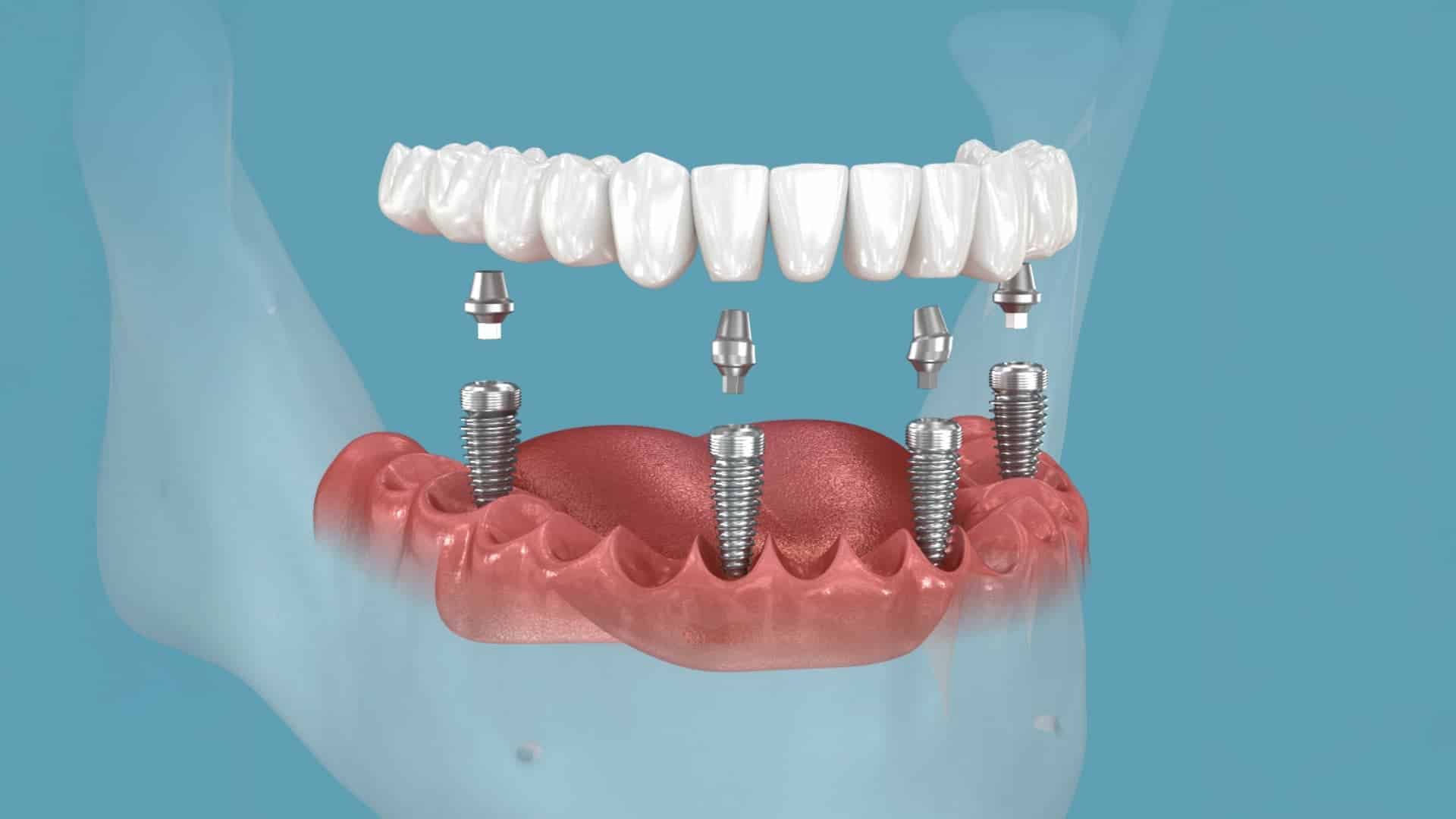
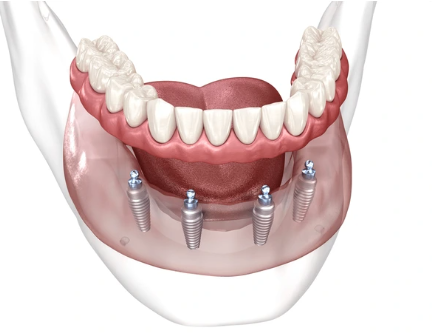
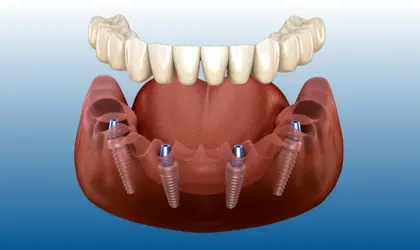
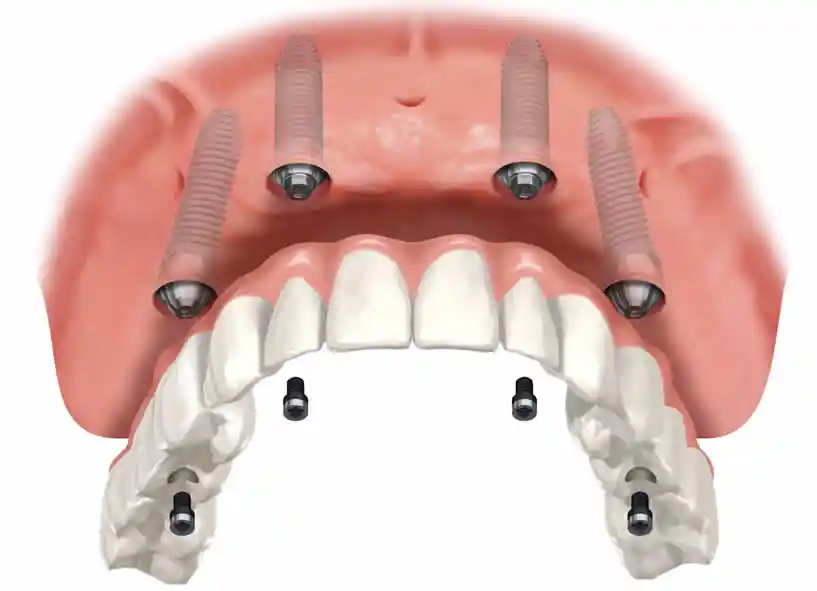
What Are the Basic Mechanisms of All-on-4 and All-on-6 Systems? The All-on-4 system involves planning a fixed prosthesis on four titanium roots placed vertically in the front region of the jawbone and at an angle in the posterior regions in order to avoid anatomical cavities. The All-on-6 system, on the other hand, is a treatment […]