
Personalized Oral Hygiene Care Programs
The paradigm shift in medical and dental sciences in recent years has moved away from the “one-size-fits-all” approach and brought to the forefront the “personalized medicine” approach, which focuses on the individual’s genetic, biological, and environmental factors. This approach has also become a fundamental principle in the protection of oral and dental health. While the traditionally known recommendation of “brushing teeth twice a day” is generally true for public health, it may be insufficient to cover individual differences and specific risk factors. This is because each individual’s oral flora, saliva composition, tooth alignment, dietary habits, and types of restorations (implants, bridges, dentures, etc.) are completely different. Therefore, ensuring and maintaining oral hygiene is possible not through a standard routine, but through a personalized care program created as a result of a detailed analysis by a dentist. These programs aim to manage the risk of caries, halt the progression of gum disease (periodontal disease), and guarantee the long-term success of dental treatments.
Biodiversity and Risk Analysis
The oral environment is a dynamic ecosystem inhabited by billions of microorganisms. The balance of this ecosystem is called “microbiota” and varies greatly from person to person. In some individuals, cariogenic bacteria are more dominant, while in others, periodontopathogenic bacteria, which lead to gum disease, are more prevalent. The first step in a personalized care program is determining this risk profile. The dentist determines the patient’s “Caries Risk Group” and “Periodontal Risk Group” through clinical examination and radiographic examinations. For example, an individual with a low salivary flow rate or poor acid buffering capacity of their saliva is in a high caries risk group. For this individual, standard fluoride toothpaste may not be sufficient, and gels containing high concentrations of fluoride or calcium-phosphate-based remineralization agents may be prescribed. On the other hand, in another individual whose salivary composition is prone to tartar formation, the focus shifts to the frequency of mechanical cleaning and the use of chemical plaque control agents (mouthwashes).
Genetic factors and systemic health status are also important parts of this equation. In individuals with systemic diseases such as diabetes, the gum tissue has a lower resistance to infection and wound healing is slower. The care protocol created for these patients includes not only oral hygiene but also blood sugar control and more frequent professional cleaning appointments. Similarly, during pregnancy or adolescence, when hormonal changes occur, the gums may overreact to plaque. To prevent conditions such as “pregnancy gingivitis” during these periods, it is necessary to establish a more sensitive and stricter care routine that is compatible with hormonal cycles.
Anatomical Differences and Tool Selection
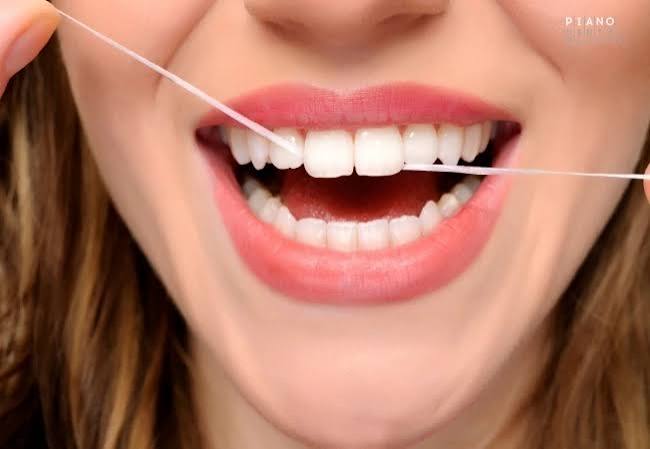
Choosing the right toothbrush, dental floss, and interdental cleaner from the hundreds of options available on the market requires professional guidance. This is because every mouth has a different anatomy and tooth alignment. The tools needed for an individual with tight tooth contact (crowding) cannot be the same as those needed for an individual with gaps between teeth (diastema) or gum recession. Standard dental floss is effective in tight tooth contact, but it is insufficient in the wide triangular gaps caused by gum recession and cannot remove plaque. In such cases, the use of special “interdental brushes,” color-coded according to the size of the gap, is essential. In a personalized care program, the dentist creates an oral map of the patient, determines which numbered interdental brush should be used in which area, and demonstrates it to the patient practically.
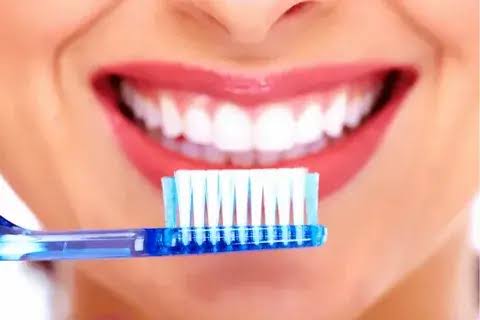
Toothbrush selection also requires similar sensitivity. In individuals with a “thin” gum biotype, meaning their gum tissue is delicate and prone to recession, using hard-bristled brushes or incorrect brushing techniques can lead to irreversible gum recession and tooth surface abrasion. For these patients, brushes with ultra-soft bristles and a circular (modified bass) brushing technique are recommended; while for individuals with limited dexterity, arthritis, or those undergoing orthodontic treatment, rechargeable (electric) toothbrushes with clinically proven plaque removal effectiveness are included in the care protocol. Pressure-sensor models of rechargeable toothbrushes provide safe cleaning by preventing damage to the patient’s gums.
Implant and Prosthesis Hygiene Strategies
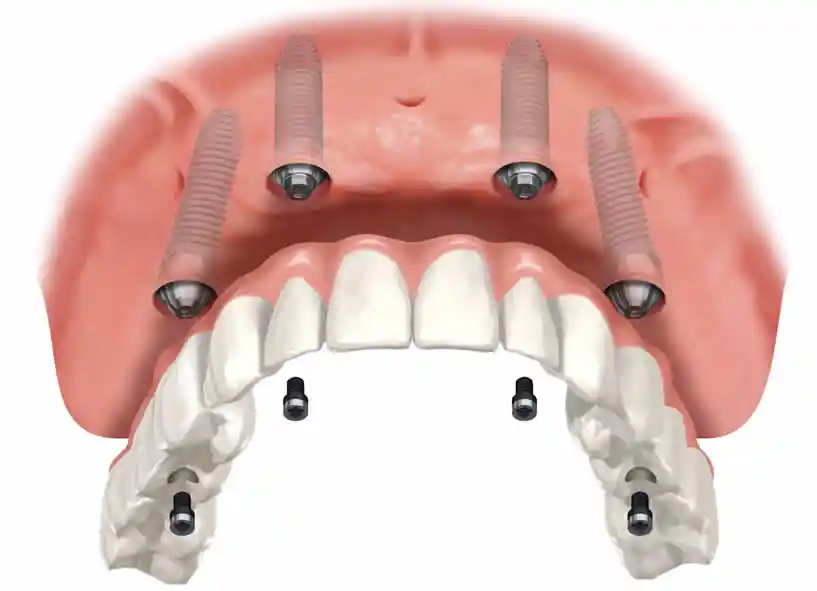
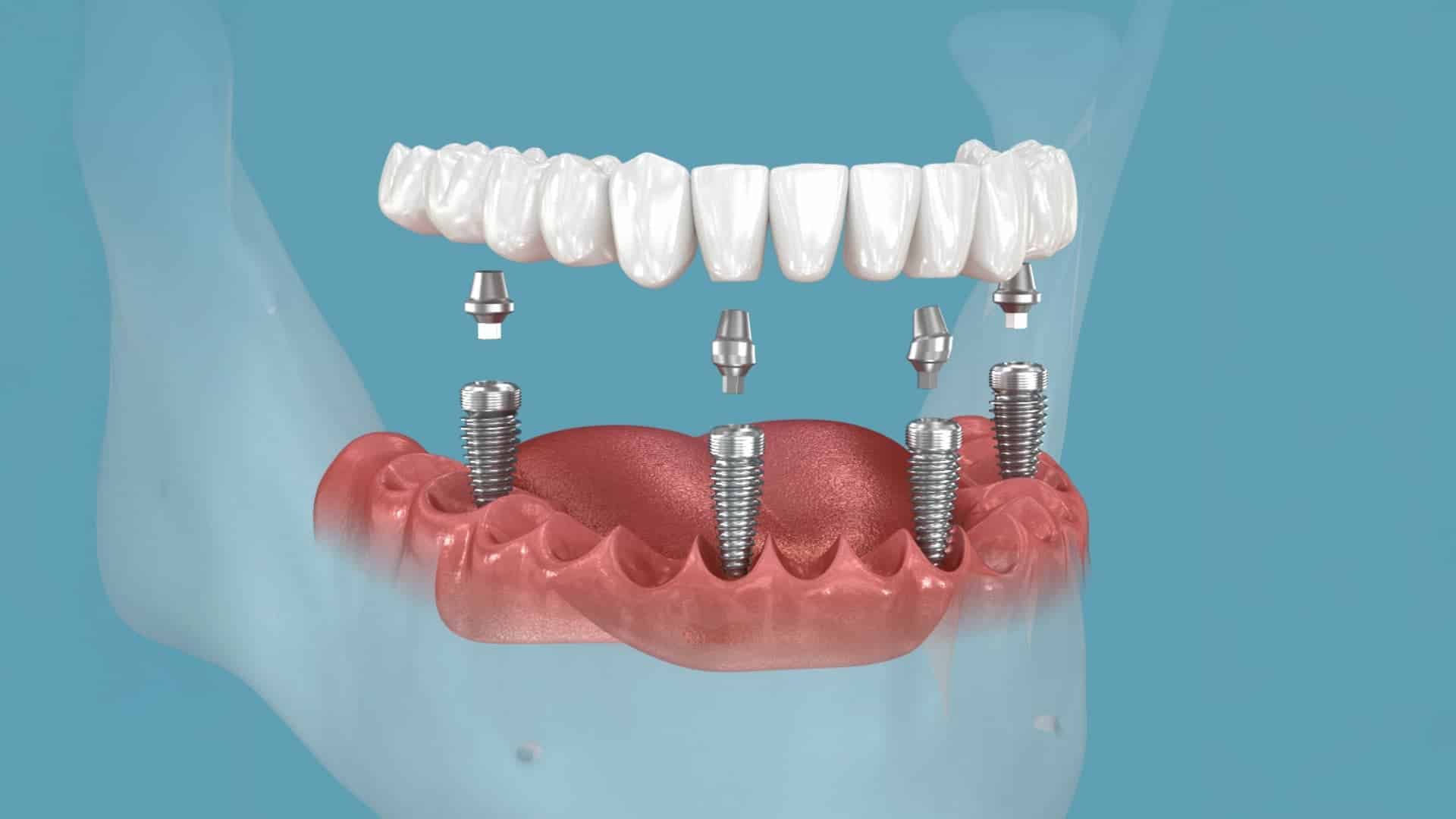
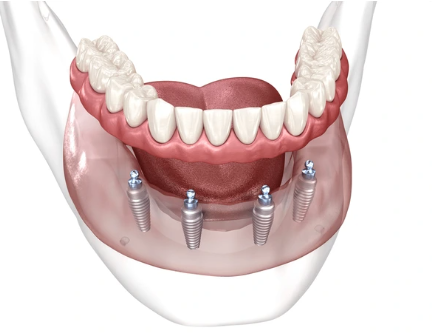
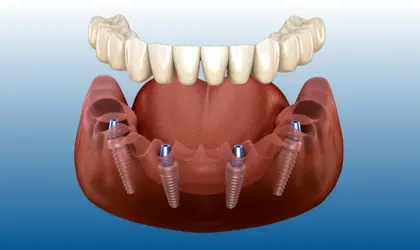
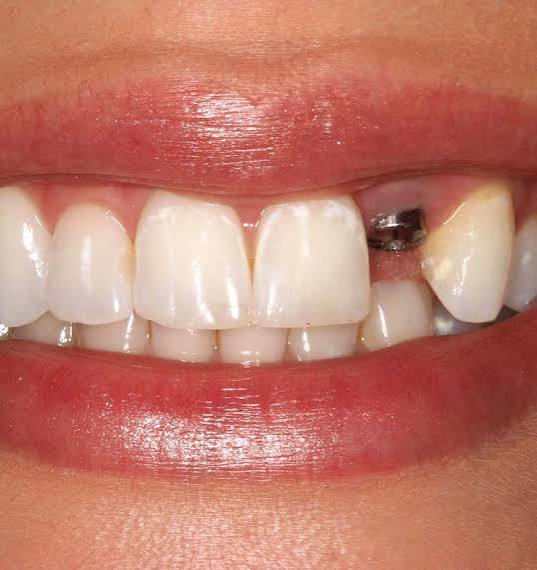
The presence of dental implants, porcelain bridges, or removable dentures in addition to natural teeth in the mouth completely changes the care routine. The biological connection between a natural tooth and gum differs from the connection between an implant and gum.The tissues surrounding implants are more vulnerable to infection, and peri-implantitis, a gum disease around the implant, is a major cause of implant loss. Therefore, the care program for individuals with implants should be enriched with the use of “implant floss” (superfloss) and oral irrigators. Oral irrigators, using a mixture of pressurized water and air, remove food particles accumulated under prostheses, cleaning blind spots that a toothbrush cannot reach.
For patients using bridge prostheses, cleaning under the prosthesis (pontic area) is critically important. If this area is not cleaned with special floss, accumulated food particles can cause bad breath and lead to decay in the supporting teeth. For patients with porcelain veneers, the use of toothpaste with low abrasive content and anti-scratch properties is recommended. All these material-focused care strategies are essential elements of a personalized program to extend the lifespan of restorations and maintain the patient’s quality of life.
Care Protocols According to Different Patient Profiles
The following table summarizes the key differences in care routines customized by dentists for individuals with different clinical situations:
| Patient Profile | Risk Factor | Recommended Special Care Tools and Methods |
|---|---|---|
| Those Undergoing Orthodontic Treatment (Braces) | Plaque accumulation around brackets and white spot caries. | Use of orthodontic brushes, interdental brushes, fluoride rinses, and oral irrigators. |
| Individuals with Periodontal Disease | Gingival pockets and bone loss risk. | Special interdental brushes with pointed tips for pocket cleaning, antiseptic mouthwashes, professional check-up every 3 months. |
| Implant Patients | Peri-implantitis (infection around the implant). | Superfloss (sub-body floss), soft brushes suitable for the implant area, pressureless oral irrigator. |
| High Caries Risk Group | Low saliva production or acidic diet. | High fluoride toothpastes, calcium-containing creams (CPP-ACP), xylitol chewing gums. |
| Having Sensitive Teeth What Happens | Dentin sensitivity and enamel erosion. | Sensitivity-reducing toothpastes containing potassium nitrate or arginine, soft brushes. |
Nutrition and Lifestyle Integration
A personalized care program includes not only the time spent in the bathroom but also daily eating habits. Brushing timing is critical for individuals at risk of “erosive tooth erosion,” meaning those who frequently consume acidic drinks, fruit juices, or experience stomach acid problems such as reflux. These individuals are advised not to brush their teeth immediately after an acid attack (because the enamel is softened and can be eroded), but instead to rinse their mouths with water or consume foods that neutralize acid, such as cheese. On the other hand, individuals who frequently snack throughout the day have an increased risk of cavities because the pH of the mouth constantly decreases. The care program for these individuals includes regulating the frequency of meals and increasing saliva flow by chewing sugar-free, xylitol gum between meals.
Smoking is also a major factor shaping the care program. Because gum blood flow is impaired in smokers, gum disease progresses insidiously and does not show bleeding symptoms. Furthermore, tartar buildup leads to faster tartar formation and rougher surfaces. The care protocol for these patients includes the use of antioxidant-containing oral care products and more frequent professional cleaning sessions (e.g., every 3-4 months). The dentist analyzes the patient’s lifestyle habits to create a feasible and sustainable routine.
Sustainability and Professional Follow-up
Even the most perfect care program is ineffective unless it is regularly followed by the patient. Therefore, the success of the program depends on “patient compliance.” The dentist should determine a routine suitable for the patient’s dexterity, daily routine, and motivation level. Very complex and time-consuming routines, even if implemented initially, can be abandoned over time. Instead, it is better to start with simple but effective steps that can be integrated into the patient’s habits. Furthermore, personalized programs are not static; as the patient ages, as restorations in the mouth change, or as systemic health status changes, the program also needs to be updated.
In summary: Oral hygiene is as unique to each individual as a fingerprint. Instead of getting lost in the variety of products on market shelves, learning your own risk profile under the guidance of your dentist and using appropriate products with the correct techniques is the most valuable investment you can make in your oral health. PersonalizedPreventive care not only protects teeth but also plays a key role in maintaining overall health.
Conclusion: The Power of Preventive Medicine
In conclusion, personalized oral hygiene programs represent the preventive face of modern dentistry. Instead of filling after decay has occurred or placing implants after tooth loss, the primary goal is to preserve tissue integrity by preventing disease formation mechanisms at an individual level. This broad spectrum, ranging from saliva analysis and microbial testing to dietary adjustments and the use of specialized hygiene tools, reduces the time a patient spends in the chair while maximizing the time spent with a healthy smile. With the awareness that oral health is holistic, these programs, conducted in collaboration between the dentist and the patient, are a roadmap for a lifelong health journey.