

Ankara Teeth Whitening Treatment
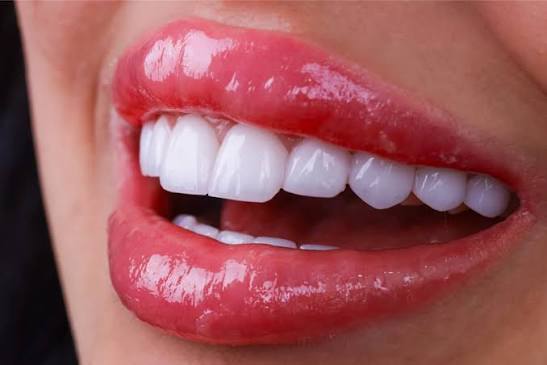
Our smile is one of the strongest, most universal, and most memorable nonverbal signatures in social communication. In the aesthetic perception of the human face, not only the anatomical form of the teeth but also the quality of the light reflected by the enamel and the tooth’s shade has a profound psychological impact. However, the natural flow of time, our genetic inheritance, dietary culture, and environmental factors create the basis for a series of biochemical reactions that gradually overshadow the bright, pure appearance our teeth had on day one. This condition—referred to in dental literature as Dental Discoloration—is more than a cosmetic complaint; it is the accumulation of chromogenic (color-imparting) molecules that penetrate the tooth’s cellular tissues (enamel and dentin layers). While abrasive toothpastes or uncontrolled cosmetic agents sold on the market are completely insufficient to dissolve these molecular discolorations, they can also irreversibly scratch the enamel layer, leaving teeth far more vulnerable to acids and new stains. By combining a protective aesthetic philosophy with advanced clinical protocols in the field of Ankara teeth whitening treatment, Panorama Ankara initiates a safe oxidation reaction at the cellular level—without mechanically abrading the teeth—helping them reach the brightest, most uniform, and most radiant tone within their natural potential. Our goal is to offer patients not only instant whiteness, but a sustainable and healthy aesthetic transformation that preserves the biological integrity of enamel tissue.
The medical success of a teeth whitening (bleaching) procedure depends far more on correctly diagnosing the true source (etiology) of the discoloration than on the brand of gel used. Tooth discolorations are biologically divided into two main categories: extrinsic and intrinsic. Extrinsic discolorations are superficial pigmentations that settle into the microscopic pores on the enamel surface as a result of regular consumption of coffee, strong tea, red wine, tobacco products, and spice-intensive foods (curry, turmeric, etc.). These stains respond quickly and dramatically to professional polishing and clinical whitening agents used with advanced technology devices. Intrinsic discolorations, on the other hand, are much deeper, cellular-level color changes caused by high-dose fluoride exposure during tooth development in the womb or early childhood (fluorosis), tetracycline-group antibiotics used in infancy, severe physical trauma to the tooth, or age-related enamel thinning that allows the underlying yellow dentin to show through. Panorama Ankara’s experienced aesthetic dentists analyze the depth and chemical nature of these pigmentations using digital shade scales (spectrophotometer devices) and then prescribe a pinpoint chemical whitening formula tailored to the patient’s unique biology.
Oxidation–Reduction Mechanism: The Biochemistry of Whiteness
The scientific “miracle” behind teeth whitening treatments is a chemical reaction called Oxidation–Reduction (Redox). The professional medical whitening agents used at Panorama Ankara generally consist of high-concentration Hydrogen Peroxide or slow-release Carbamide Peroxide molecules. When these gels are applied to the tooth surface by the clinician and activated (by laser, LED light, or body heat), they seep through the glass-like enamel layer and the microscopic channels beneath it (dentin tubules) without causing any physical damage. As the active molecules break down, they release free oxygen radicals with tremendous energy.
These hyperactive oxygen ions target the large and stubborn chromophore (color) molecules responsible for yellow, gray, or brown tooth shades. Oxygen radicals “cut” the carbon double bonds inside these large colored molecules like scissors, breaking them apart. Once these bonds are broken and the molecular structure becomes smaller, the chromophores can no longer absorb incoming light (they become optically colorless), and the amount of light reflected outward from the tooth increases. Through this bioengineering process, there is no loss of the tooth’s building blocks—calcium or phosphate—and the tooth remains physically the same while becoming optically brighter, more luminous, and more translucent. This cellular-level illumination is a medical, deep aesthetic restoration that abrasive cosmetics applied to the surface can never achieve.
Clinical Classification: Treatment Dynamics of Intrinsic and Extrinsic Discolorations
When rebuilding smile aesthetics, understanding that not every stain or yellowing shares the same chemical character helps you manage expectations accurately after treatment. In line with its transparency principle in aesthetic dentistry, Panorama Ankara analyzes—based on the type of discoloration—the biological responses patients’ teeth may show to whitening agents in the table below.
| Etiology (Source) of Discoloration | Clinical Appearance & Biochemical Features | Biological Response to Whitening (Oxidation Reaction) |
|---|---|---|
| Extrinsic Discolorations | Superficial yellowing caused by coffee, tea, tobacco, and food dyes, typically adhering to the outer surface and pores of enamel. | Responds extraordinarily fast to oxidation agents. Dramatic shade changes can be achieved even in a single in-office session (Office Bleaching). |
| Age-Related (Physiological) Discolorations | Over time, enamel thins and the underlying yellowish dentin thickens and reflects outward. | Responds quite successfully. Restores lost optical translucency and “rejuvenates” the tooth (anti-aging effect). |
| Antibiotic (Tetracycline) Staining | Severe gray-blue horizontal bands formed when childhood medications bind to the tooth’s calcium structure. | The most resistant cases. Responds slowly to oxidation; typically requires long-term at-home (combined) whitening in addition to laser-assisted clinical sessions. |
| Pulpal (Nerve-Related) Discolorations | Darkening/purpling of a single tooth that has lost vitality (or has had root canal treatment) due to trauma or infection. | External gels do not work. A tooth-specific Internal Bleaching protocol (whitening from inside the tooth) is required. |
Pre-Treatment Preparation: The Foundation of Flawless Aesthetics
A medical teeth whitening process does not begin with simply applying gel directly to the teeth. The most critical stage of the aesthetic protocols at Panorama Ankara is preparing the oral environment so whitening gels can penetrate the tooth homogeneously and without obstacles. Bacterial calculus (tartar) or heavy plaque deposits that accumulate on the enamel surface can physically block the whitening gel like a barrier. If whitening is performed without professional scaling (detartrage), the areas under tartar remain dark yellow while clean areas turn very white, resulting in a patchy, wavy, undesirable appearance.
To reduce this aesthetic risk to zero, patients typically undergo a detailed professional cleaning and airflow stain removal (pressurized micro-powders) a few days before the whitening session. In addition, if there are leaking old fillings, open caries cavities, or sensitive exposed root surfaces due to gum recession, these risky areas are temporarily or permanently isolated with protective materials before whitening. This prevents peroxide gels from reaching the pulp through sensitive regions and causing intense sensitivity. This careful preparation phase not only ensures a flawless visual result but also serves as the most important safety barrier for minimizing post-operative tooth sensitivity (dentin hypersensitivity).
Protecting the Smile and Vital Discipline After Oxidation
Immediately after a successful whitening procedure, patients clearly see the striking, brighter change in the mirror. However, cellular “brightening” within the microscopic pores of the tooth continues for 48 hours after the patient leaves the dental chair (sometimes up to 72 hours). During this critical window, enamel is as absorbent and vulnerable to new pigments as a dry sponge. To preserve the unique whiteness for years and prevent pigments from settling again, Panorama Ankara specialists recommend applying the following two rules with strict discipline at home:
- For the first 3 days after the oxidation process, avoid all chromogenic foods and acidic beverages—such as tomato paste, curry, soy sauce, blackberries, tea, coffee, red wine, and anything that would stain a white shirt. Follow a colorless diet known in the literature as the “White Diet” (milk, yogurt, boiled potatoes, white meat, etc.).
- During this sensitive phase when enamel tubules are still open and oxygenation remains active, completely abstain for at least 48 hours from cigarettes, hookah, or electronic tobacco products, as their tar and chemical gases can penetrate open pores instantly and make teeth appear even more matte.
Radiant Smiles That Defy Time with Panorama Ankara
The shade of your smile is one of the clearest reflections of your age, life energy, and the value you place on yourself. Trying to hide dull, yellowed teeth in social settings is an unnecessary burden that can overshadow confidence in professional life or special moments. By blending aesthetics with biology in Ankara teeth whitening treatment, Panorama Ankara eliminates the risks created by hearsay cosmetic solutions and abrasive toothpastes, and brightens your smile at the cellular level—under clinician supervision and with high medical safety.
If you are not satisfied with the color of your teeth, you can schedule a detailed aesthetic consultation at Panorama Ankara to analyze enamel thickness and determine whether your discoloration is intrinsic or extrinsic using our digital scales, and to identify the most suitable in-office or combined whitening protocol—so you can start smiling freely today without hiding your radiance.