

The Effect of Regular Oral Hygiene on Smile Aesthetics
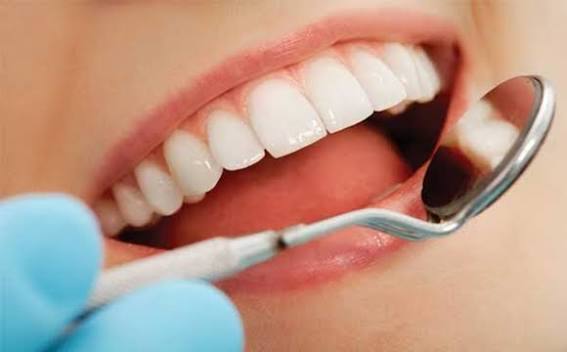
Although the generally accepted aesthetic perception in society is often equated with “pearly white teeth” in the context of dentistry, smile aesthetics is a much more complex and multi-layered concept from a scientific and artistic perspective. A truly aesthetic smile is evaluated not only by the color of the teeth, but also by their form, surface texture, light-reflecting capacity, and most importantly, the health of the gum tissue surrounding these teeth. Just as a painting is incomplete without a frame, or a bad frame can overshadow even the most beautiful painting; the gums also form the aesthetic frame of the teeth. The sustainability of this biological integrity depends neither on genetic chance nor solely on advanced prostheses; the fundamental determining factor is “regular oral hygiene.” Oral hygiene is not only the protector of oral health, but also the architect of smile aesthetics. Even the highest quality porcelain loses its natural shine in a neglected mouth, while well-cared-for natural teeth can exhibit a brilliance that defies the years.
Pink Aesthetics and Gum Contours
One of the most critical components of smile aesthetics is the condition of the gum tissue, referred to as “pink aesthetics” in dental literature. Healthy gums are pale pink (coral pink), have a textured surface resembling an orange peel, tightly surround the teeth, and do not bleed. This healthy structure creates a symmetrical border that reveals the size and shape of the teeth. However, in cases where regular oral hygiene is not maintained, microbial plaque accumulates, causing inflammation (gingivitis) in the gums. Inflammation increases blood flow in the tissue, turning the gums red or even a purplish tone. More importantly, due to edema (swelling), the gum margins become rounded, shiny, and begin to cover the tooth surface. This situation causes teeth to appear shorter than they are and disrupts smile symmetry. The alignment of the “gingival zenith points” (the highest point of the gum on the tooth), which is desirable in an aesthetically pleasing smile, is lost due to edema, resulting in an irregular, chaotic appearance.
Furthermore, gum recession, a long-term consequence of poor oral hygiene, is one of the most difficult aesthetic problems to correct. The pressure of tartar and chronic infection cause the gum to recede towards the root, leading to an increase in the clinical crown length of the teeth and exposure of the root surfaces. While the enamel is white and shiny, the exposed root surface (cementum) is yellower and duller. This results in undesirable color differences at the base of the teeth during smiling and a “long tooth” appearance. The loss of the triangular gingival papillae between the teeth causes the formation of black triangles, which significantly impairs smile aesthetics and phonetics. Therefore, brushing and flossing are vital aesthetic interventions not only for preventing decay but also for preserving gum contours and pink aesthetics.
White Aesthetics: Light Reflection and Surface Texture
The aesthetic perception of teeth is largely related to how light reflects off the tooth surface. Healthy and clean enamel, thanks to its semi-transparent structure and smooth surface, both reflects and transmits light to some extent, creating a sense of “natural depth.” However, in cases of inadequate oral hygiene, the “biofilm” (plaque) layer that accumulates on the tooth surfaces alters the refractive index of light. Plaque has a matte and opaque structure; it covers the natural shine of the tooth, causing light absorption. This leads to teeth appearing duller, lifeless, and yellower than they are. Even in individuals with the whitest tooth color, the plaque layer on the surface can pull the aesthetic perception towards “off-white” or “gray” tones.
Regular brushing and professional cleaning remove this biofilm layer and external stains (coffee, tea, tobacco stains), revealing the prismatic structure of the enamel. A clean surface of the enamel reflects the light falling on it at the correct angle, making the tooth look “vibrant”. Furthermore, tartar buildup, especially on the back surfaces of the lower front teeth and between teeth, hinders light transmission. This causes the spaces between teeth to appear dark. Even the success of whitening (bleaching) procedures in aesthetic dentistry fundamentally depends on the presence of a hygienic surface. No aesthetic procedure applied to an unclean tooth can provide the desired shine.
Restoration Lifespan and Aesthetic Integration
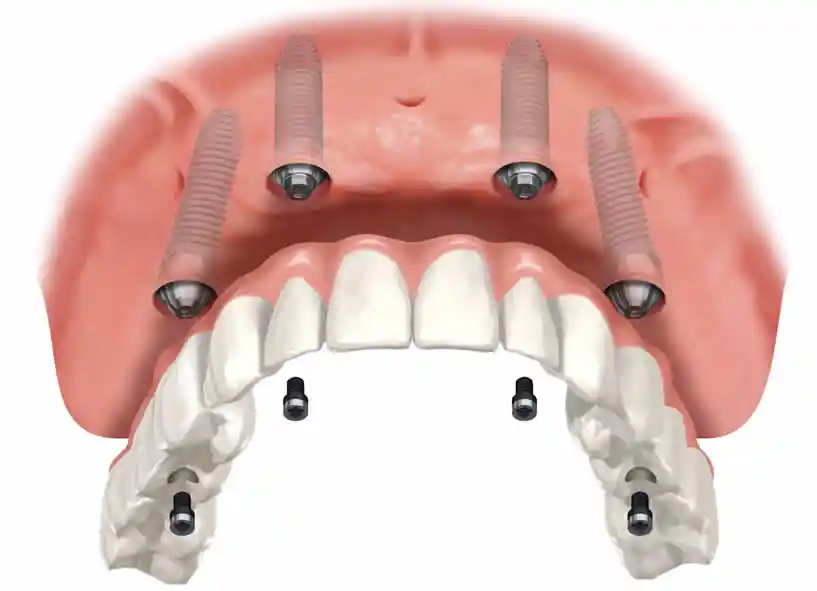
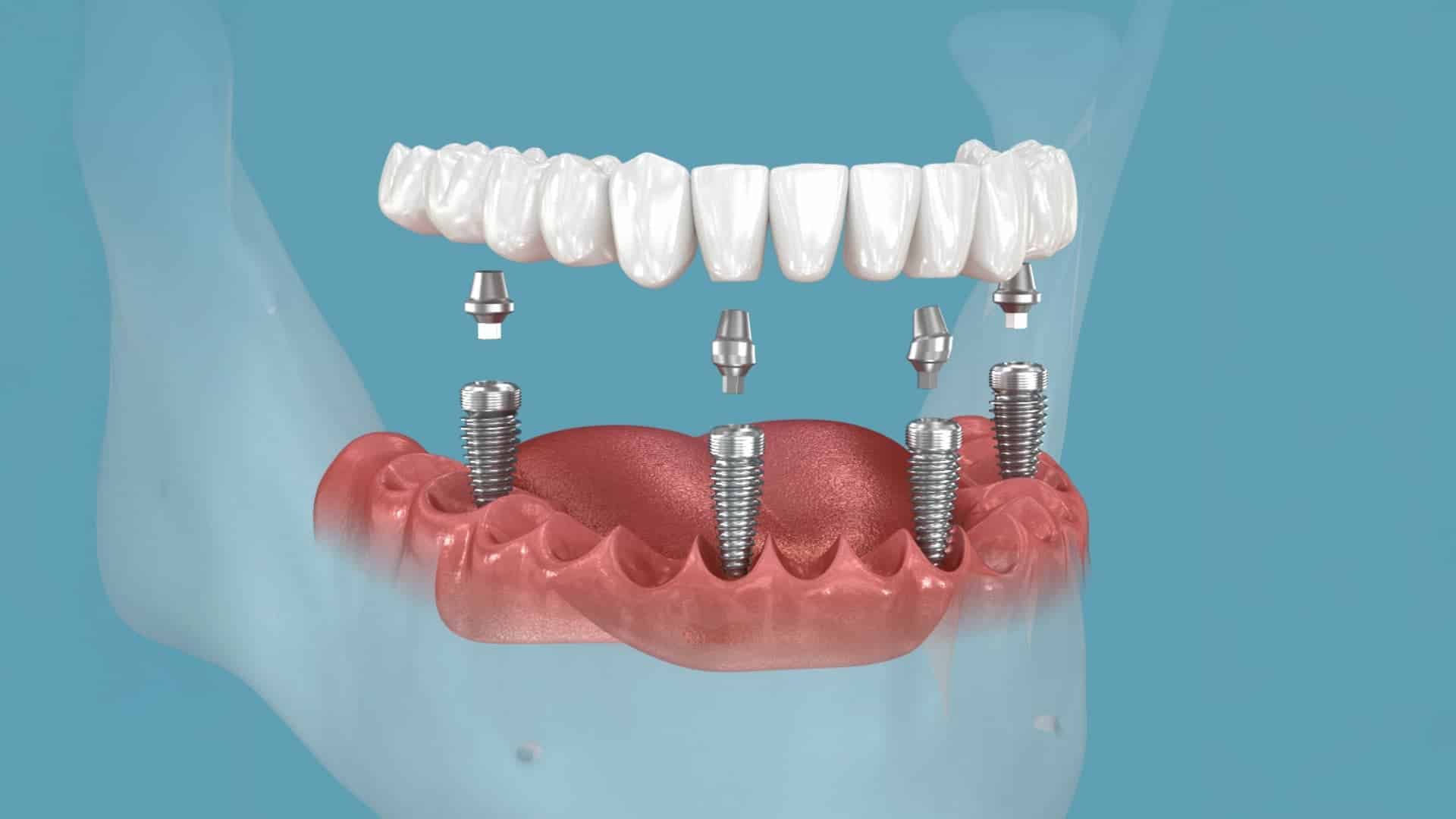
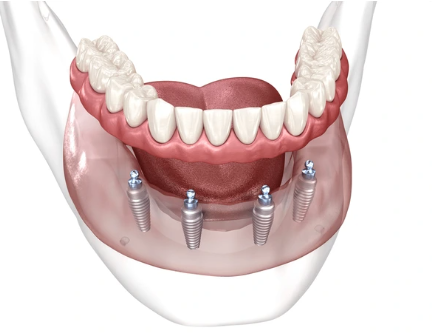
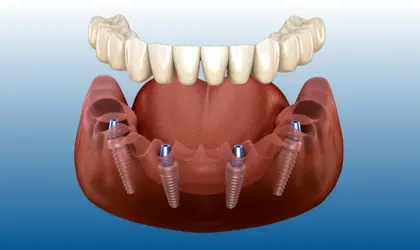
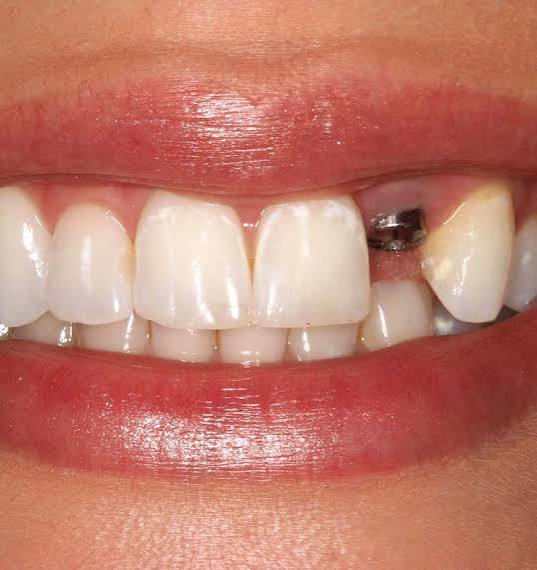
Today, many individuals opt for porcelain veneers, zirconium crowns, or implant-supported prostheses to improve their smile aesthetics. However, the success of these expensive and aesthetic restorations depends entirely on the quality of oral hygiene. The concept of “biological compatibility” comes into play here. If plaque accumulation is allowed at the edges of the restoration andIf this foreign object is removed, the gum tissue reacts to it and recedes. The exposure of the border where the porcelain meets the gum tissue creates an aesthetically undesirable appearance. The health of the gum tissue around the implant (peri-implant tissues) is the only factor that ensures the implant looks like a natural tooth. Peri-implantitis (infection around the implant), which develops due to poor hygiene, can cause discoloration of the gum tissue and reflection of the metallic color of the implant neck, leading to an aesthetic disaster.
The Role of Hygiene in Smile Aesthetics: Comparative Analysis
The following table presents a comparative analysis of smile aesthetics parameters for an individual with regular oral hygiene habits and an individual with poor hygiene:
| Aesthetic Parameter | Regular Oral Hygiene Achieved Status | Insufficient Hygiene / Neglected Status |
|---|---|---|
| Gum Color and Shape | Pale pink, firm, thin edges like a knife edge. Frames the teeth symmetrically. | Red/Purple, swollen, rounded edges. Irregular and asymmetrical appearance. |
| Tooth Surface and Gloss | Smooth, light-reflecting, glassy and shiny enamel surface. | Matte, dull, light-absorbing plaque layer. Stained and rough appearance. |
| Interdental Spaces (Embraces) | Completely filled with gingival papillae, without gaps and with a clean appearance. | “Black triangles” due to gingival recession or areas filled with tartar. |
| Odor and Freshness | Neutral or fresh breath, confident smile. | Halitosis (bad breath), restricted smile due to social shyness. |
| Restoration Margins | Natural transition profile integrated with the gingiva. | Exposed crown margins, gray reflections and extracted teeth eti. |
Psychosocial Impact: Self-Confidence and Smile
Smile aesthetics are not only a physical condition but also a psychological and social phenomenon. Insufficient oral hygiene causes not only visual disturbances but also bad breath, known as “halitosis.” Individuals with bad breath tend to involuntarily close their mouths, restrict lip movements, or maintain distance when smiling or speaking. This “protective behavior” disrupts the naturalness and sincerity of the smile. Regular oral hygiene ensures that the individual has fresh breath. A confident smile with lips fully open is the most aesthetically appealing smile. Because aesthetics are also related to the feeling it evokes in the viewer; a clean, well-maintained, and healthy mouth conveys a message of “health” and “self-esteem” to the other party.
Protective Approach and Sustainability
Having an aesthetically pleasing smile is not as complicated or costly as it might seem. The basic principle is to protect the health of biological tissues. The key points to consider in this context are as follows:
- Complete Mechanical Cleaning: The correct brushing technique should be applied, covering not only the front surfaces of the teeth but also the borders facing the gums and the tongue side.
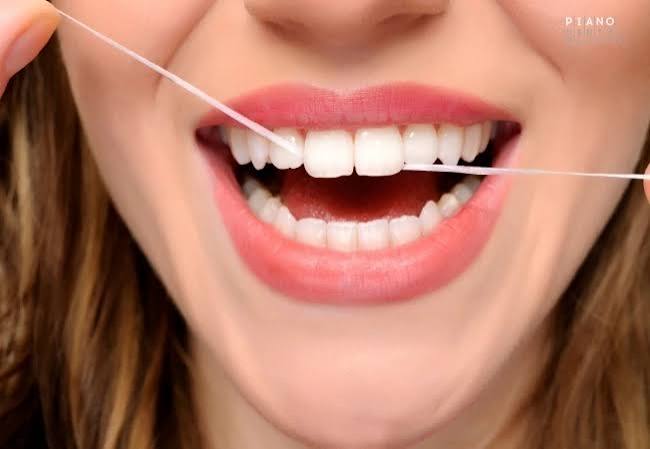
- Interproximal Hygiene: Interproximal areas that the toothbrush cannot reach should be cleaned with dental floss or interproximal brushes to protect the health of the gum papillae.
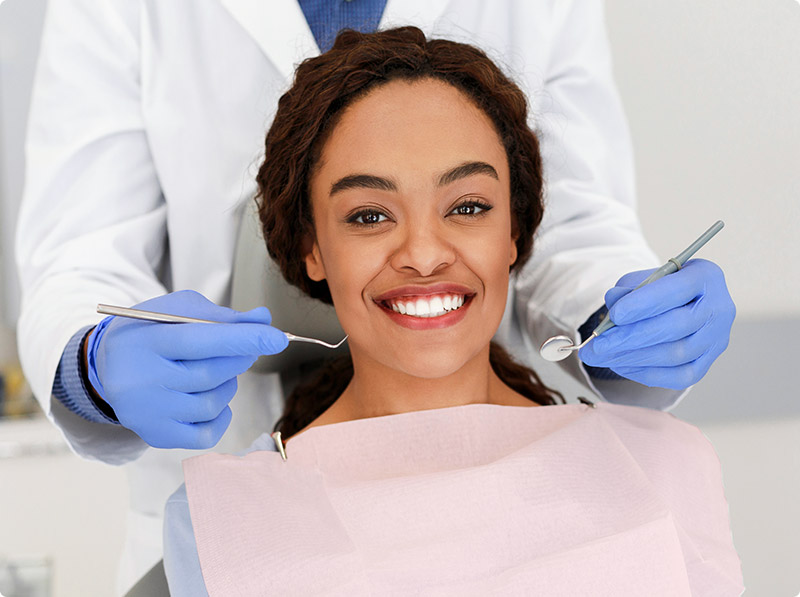
- Professional Check-up: Tartar removal and polishing procedures performed every six months remove stains and tartar that cannot be removed at home, ensuring aesthetic continuity.
- Diet: Rinsing the mouth with water after consuming staining foods (coffee, wine, tobacco) minimizes stain formation.
In Conclusion; Smile aesthetics can begin in the dentist’s chair but continue in front of the bathroom mirror at home. Even the most skilled dentists’ aesthetic designs cannot be permanent without the patient’s daily hygiene discipline. Regular oral hygiene care is the most fundamental and effective key to a natural, healthy, and radiant smile, preserving the biological form of the teeth and gums. Without health, aesthetics are merely a temporary illusion.