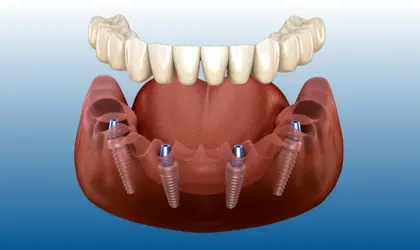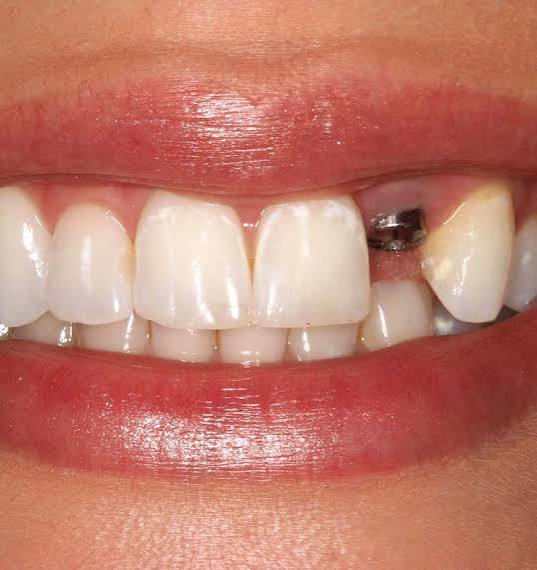


Implant treatment, one of the most modern and permanent solutions for replacing missing teeth, is a significant step in improving patients’ quality of life. However, after the loss of natural teeth or due to various health conditions, the jawbone can resorb over time. In such cases, where the bone structure is insufficient, advanced surgical techniques and grafting methods are used to ensure a long-lasting and reliable implant anchor.
Why Does Bone Insufficiency Occur?
The key to implant success is sufficient volume and density of jawbone surrounding and supporting the implant. The main causes of osteoporosis are as follows:
- Long-Term Tooth Loss: After a tooth is extracted, the jawbone in that area begins to thin and resorb over time because it does not receive sufficient functional stimulation.
- Periodontal Diseases: Progressive gum and bone inflammation (periodontitis) can lead to the loss of bone that supports the teeth.
- Traumas and Infections: Injuries or severe infections in the jaw area can destroy bone tissue.
- Systemic Diseases and Medications: Certain systemic diseases (e.g., uncontrolled diabetes) and, in particular, long-term use of bisphosphonate medications can negatively affect jawbone health.
Bone volume is critical not only for the size and diameter of the implant, but also for an aesthetic gum appearance and long-term stability.
Grafting Methods: Preparing the Ground for Implant Treatment
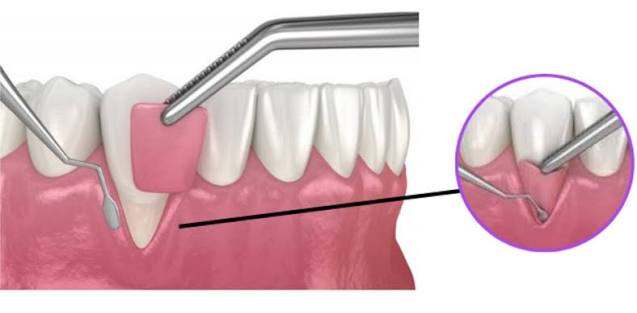
Bone Grafting (Bone Grafting) is the process of stimulating new and robust bone formation by placing biocompatible materials in areas where there is insufficient bone tissue. This process creates a stable foundation in the implant placement area. There are basic methods depending on the source of the graft material used.
1. Autogenous Grafts (Patient’s Own Bone)
An autogenous graft is bone tissue taken from a different part of the patient’s body (usually from non-oral areas such as the back of the mandible, the tip of the jaw, or the hip bone).
- Characteristics: It is considered the gold standard among graft materials. Because it contains living bone cells, it has a high healing potential and carries no risk of rejection.
- Application Area: It is preferred in cases of large-volume bone loss and in cases requiring block grafting.
2. Allogeneic Grafts (Human-Derived Bone)
These are bone tissues taken from another person (donor) and subjected to special sterilization processes.
- Features: Not needing a second surgical site is a significant advantage. They are obtained from bone banks.
3. Xenografts (Animal-Derived Bone)
These are bone materials, usually obtained from animals such as cattle or pigs, and specially processed to make them compatible with the human body.
- Features: It is one of the most widely used bone powders. Its structure is similar to human bone and serves as a scaffold for new bone formation.
4. Alloplasts (Synthetic Materials)
They are bone substitutes produced in a laboratory environment from biocompatible synthetic materials (mostly containing calcium phosphate or hydroxyapatite).
- Features: They do not pose a risk of infection and simplify the surgical process. They are generally used alone or in combination with other grafts for small volumes of bone loss.
Special Grafting Techniques and Application Areas
Different surgical techniques are applied depending on the location and extent of bone loss. At Panorama Ankara, these techniques are planned with a completely personalized approach by analyzing the patient’s three-dimensional tomography data.
| Grafting Technique | Application Area | Purpose and Description |
| Sinus Lift | Posterior Upper Jaw Region | In cases where bone height is insufficient in the upper jaw in the molar region, the floor of the sinus cavity is gently lifted upwards and the graft material is placed in this area. |
| Block Grafting | Large Volume Horizontal and Vertical Losses | To compensate for large bone losses, a block of bone taken from the patient’s own body (autogenous) is placed in the missing area using screws. This is the process of fixing the bone. |
| Guided Bone Regeneration (GBR) | Localized Losses | Special membranes (barriers) are placed over the graft material to prevent the infiltration of rapidly growing soft tissues into the bone space and to provide adequate growth space for bone cells. |
| Split Osteotomy (Bone Expansion) | Thin Bone Ridges | KIn cases where the bone height is sufficient but the thickness is thin, the bone is divided in half, gently widened, and a graft is placed between the bones. |
Treatment Process and Factors Affecting Success
The grafting procedure is an extremely delicate surgical procedure, and the healing process is vital to the success of implant treatment.
1. Planning and Assessment
Before starting treatment, the patient’s general health, bone density, and volume are evaluated through detailed radiographic examinations (especially 3D Dental Tomography). These analyses determine the type of graft to be used and the surgical technique to be applied.
2. Graft Healing Time
A healing period is required for the graft material to integrate with the jawbone and reach sufficient strength to support the implant.
- This period can vary from 4 to 9 months, depending on the type of graft material used, the technique used, and the patient’s biological makeup.
- Once healing is complete, implant placement begins.
3. Factors Contributing to Success
- Choosing the Right Material: Determining the graft material most suitable for the patient’s biological needs and the size of the bone defect.
- Compliance with the Healing Protocol: The patient meticulously follows physician recommendations and oral hygiene rules during the healing process.
Reliable Solution in Çankaya, Ankara: Panorama Ankara
As Panorama Ankara, we offer personalized grafting and implant solutions for patients with bone deficiency at our Çankaya, Ankara location. Our advanced technical expertise in implant surgery allows us to help you experience the comfort of your natural teeth again. Implant treatment can only contribute to your long-term oral and dental health with a solid bone foundation.
Bone grafting is not an obstacle to implant treatment; on the contrary, it is a powerful step toward a permanent solution. All the advanced surgical techniques necessary to replace your missing teeth and achieve a healthy smile are meticulously performed at our clinic.