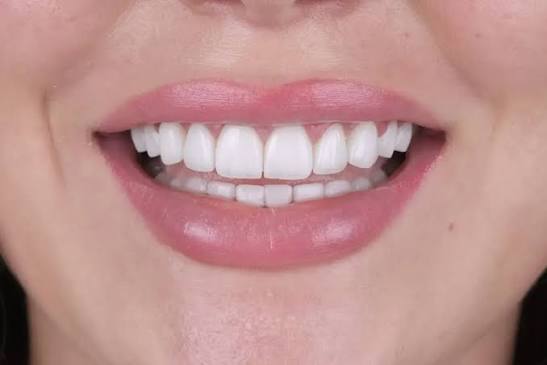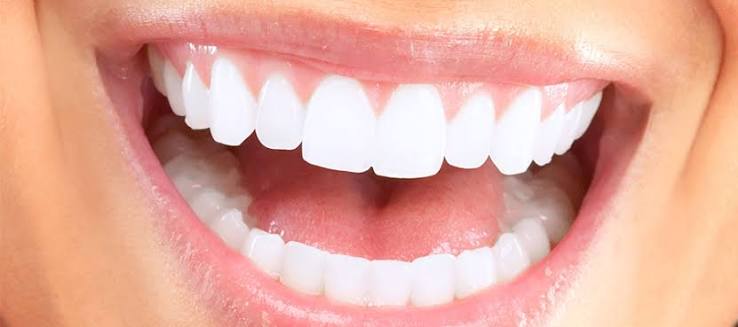


Before smile design, problems such as tooth decay, gum disease, the need for root canal treatment and missing teeth usually need to be addressed first so that aesthetic procedures can be carried out on a healthy foundation. If needed, orthodontic treatment and teeth whitening can also be part of this preparation. Which treatments are done, and in what order, is decided individually after an examination and any necessary tests.
Whether aesthetic treatments keep functioning in the long term is directly linked to the health of the teeth and tissues they are placed on. In this article, we look at the main treatments assessed before moving on to smile design and why they matter.
A Comprehensive Examination Before Smile Design
The first step in preparation is assessing oral and dental health as a whole. This examination covers the teeth, gums, jaw joint and bite, and imaging such as X-rays and CBCT is carried out where needed. The initial consultation is the starting point for this assessment.
The person’s aesthetic expectations are also discussed during the examination. However, the treatment sequence is determined by the findings on oral health before aesthetic goals.
Basic Health Treatments
Assessing decay and old fillings
Decayed teeth are treated before restorations such as veneers or crowns. Old, stained or poorly fitting fillings in the aesthetic zone are also reassessed. It may be appropriate to replace some fillings and to address others within the planned restoration.
Teeth that need root canal treatment
For teeth with inflammation or infection of the nerve, root canal treatment needs to be completed before aesthetic procedures. Because root canal treated teeth can discolour over time, their colour is taken into account separately when choosing the type of restoration.
Treating gum disease
Gingivitis and periodontitis are among the main problems that need to be treated before smile design. Inflamed gums look swollen, and their level can change with treatment. For restoration margins to be set accurately, the gums are expected to be healthy and stable. Periodontology plays an important role at this stage.
Professional dental cleaning and building a regular oral care routine are also part of this preparation.
Establishing oral hygiene habits
The area around aesthetic restorations needs daily care, just as natural teeth do. During preparation, brushing technique, interdental cleaning and any additional aids to be used are reviewed. Establishing these habits before restorations are placed can help maintain gum health and reduce the likelihood of problems developing at restoration margins.
Functional and Structural Preparation
Planning for missing teeth
If there are missing teeth in the smile zone or at the back of the mouth, how these gaps will be restored is planned together with the smile design. Missing back teeth can increase the load on the front teeth. Where implants are planned, implant placement and the healing period affect the timing of aesthetic restorations.
Orthodontic treatment
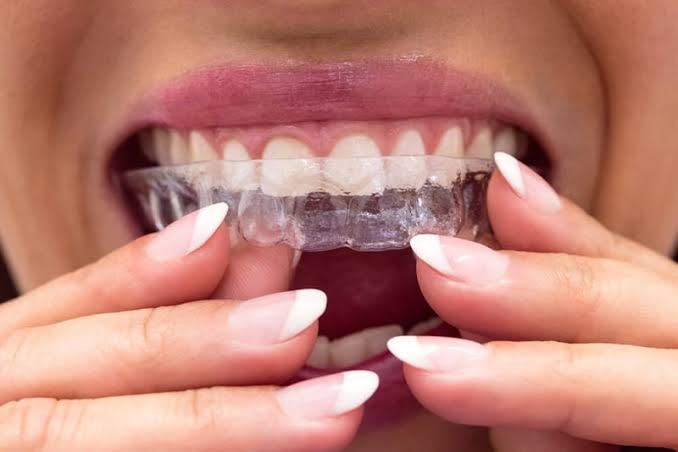
Crowded, protruding or spaced teeth can increase the amount of reduction needed for restorations. Aligning the teeth with orthodontic treatment first can help treatment proceed with less intervention. In some cases, orthodontics alone can largely meet aesthetic expectations.
Jaw joint and clenching
If there is pain or clicking in the jaw joint, or limited mouth opening, this should be assessed before restoration planning. Clenching and grinding (bruxism) can lead to fractures in restorations. Treatment for jaw joint disorders may be part of this process when needed.
General health
Systemic conditions such as diabetes, some regularly used medications, pregnancy and smoking can affect gum health and healing. For this reason, the person’s general health and medications are also reviewed before planning. Where needed, the relevant physician may be contacted and treatment timing adjusted accordingly.
Aesthetic Preparation Steps
Once preparation in terms of health and function is complete, the aesthetic preparation phase begins. At this stage, the following steps may be considered:
- Teeth whitening: Because restorations do not respond to whitening, whitening is usually done before veneers or crowns, followed by a wait for the shade to stabilise.
- Gum adjustments: If gum levels are asymmetrical, the necessary procedures are planned before restorations.
- Digital planning and trial: The design is prepared using photographs, video and intraoral scan records, and can be tried in the mouth.
In the final step of aesthetic preparation, the planned design can be tried in the mouth with a temporary material. This trial allows both the person’s expectations and functional harmony to be assessed in real conditions. Speech, lip support and tooth lengths are reviewed during the trial, and the design is adjusted if needed. The finalised design is sent to the laboratory as a reference for making the restorations.
Each treatment completed during preparation can affect planning of the aesthetic phase. For example, changes in gum level after gum treatment, or spaces being redistributed after orthodontic treatment, may require the initial aesthetic design to be updated.
What Is the General Treatment Order?
Although every patient’s plan is different, the general order followed can be summarised as follows:
- Examination, imaging and taking records
- Addressing urgent needs and infections
- Gum treatment, treatment of decay and root canal treatments
- Orthodontic treatment and planning for missing teeth, if needed
- Whitening and gum adjustments
- Preparing and placing aesthetic restorations
This order is an example and may vary from case to case. Some stages can be carried out at the same time, while others may not be needed.
Completing preparatory treatments means that problems that could arise in the aesthetic phase are dealt with in advance. Restorations can then be placed on healthy gums, treated teeth and a balanced bite. This approach can help the aesthetic treatment keep functioning for longer.
Frequently Asked Questions
Can smile design be done if I have decayed teeth?
Decay usually needs to be treated first. Restorations placed over decayed tissue are more likely to develop problems.
Is orthodontics always necessary before smile design?
No. Orthodontic treatment may be recommended if tooth position noticeably affects the fit of restorations or the amount of reduction. The decision is made after examination and aesthetic analysis.
How long does the preparation phase take?
It varies from person to person depending on the scope of the treatment needed. It may be short for those who only need cleaning and whitening, and longer for those who need orthodontics or implants.
What happens if I already have old crowns?
The marginal fit and colour of existing crowns and the condition of the teeth underneath are assessed. If needed, these crowns are included in the plan to be replaced in harmony with the new design.
Note: This article is for general information purposes only. Whether treatment is needed and which method is appropriate are determined individually by your dentist after an examination and any necessary tests.