

What Are Restorative Dental Treatments?
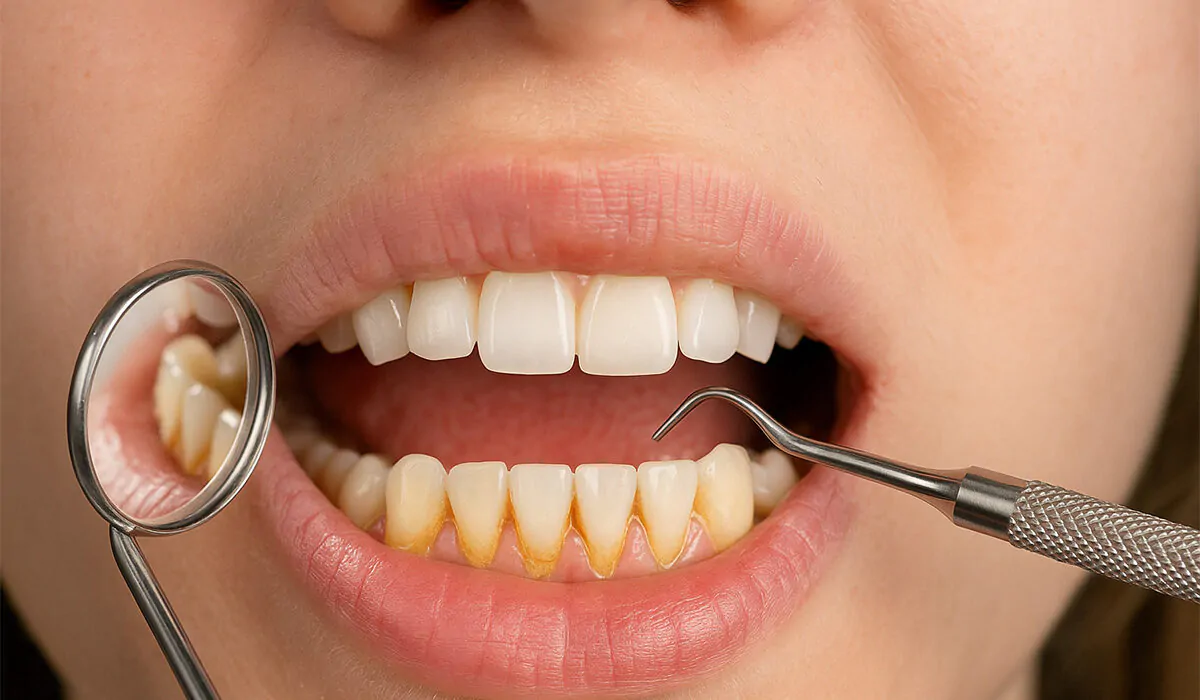
Restorative dental treatments are clinical dentistry procedures that repair losses occurring in the hard tissues of teeth due to decay, trauma, wear, or various structural disorders, restoring the tooth’s function, anatomical integrity, and appearance. These procedures aim to preserve the tooth’s own natural structure while replacing lost tissue with modern biological materials.
Thanks to advancing technology and materials science, restorative dental treatments are not limited to simply cleaning tooth decay, but also cover the repair of all kinds of damage to enamel and dentin tissue. In this process, where aesthetic expectations and functional needs are evaluated together, the patient’s oral and dental health is handled as a whole. Among the clinical procedures frequently sought by patients at locations such as Panorama Ankara, these treatments are of great importance for the healthy continuation of the chewing cycle.
Restorative Dental Treatments: What Procedures Do They Cover?
Restorative dental treatments cover composite filling applications, closing of gaps between teeth (diastema), repair of broken teeth, inlay-onlay restorations, and correction of enamel defects. Each procedure is specifically planned according to the extent of material loss in the tooth and its location within the mouth.
The differences in dental structure among patients who apply to the clinic directly determine the scope of treatment. Commonly applied procedures within current restorative dental treatments are as follows:
- Direct Composite Restorations: Aesthetic fillings applied directly to the tooth in a single session in a clinical setting.
- Indirect Restorations: Inlays, onlays, or porcelain fillings prepared in a laboratory setting.
- Diastema Closure: Closing gaps between teeth with restorative materials without removing material from the tooth.
- Discoloration and Wear Treatments: Reshaping teeth that have discolored or whose surfaces have worn down for various reasons.
How Is Tooth Decay Treated with Restorative Treatments?
Tooth decay is treated with restorative treatments by completely cleaning the decayed tissue with special instruments and closing the resulting cavity with biocompatible filling materials. This process stops bacteria from progressing into the deeper layers of the tooth, preserving the tooth’s vitality.
During the decay treatment stage, the proximity to the pulp tissue — which is located at the center of the tooth and houses the nerves — is of great importance. After cleaning the decay, the dentist disinfects the area and shapes it in accordance with the tooth’s original anatomy. Local anesthesia techniques are used during the procedures so that patients have a comfortable clinical experience. The success of the treatment depends on the cavity being filled in a leak-proof manner and on the quality of the material used.
What Are Inlay and Onlay Filling Applications?
Inlay and onlay filling applications are laboratory-manufactured porcelain or composite restorations preferred in cases where the material loss in the tooth is too large to be repaired with a standard filling, but too small to require a crown.
These applications are generally used on the molars in the back region. While inlay restorations remain between the cusps on the chewing surface of the tooth, onlay restorations cover a larger area that includes one or more cusps. Along with the interest shown by individuals living around Panorama Ankara in tooth-preserving approaches, the preference for inlays and onlays is increasing. The process takes place in two stages: taking an impression of the tooth and fixing the piece prepared in the laboratory to the tooth with special adhesives.
| Feature | Traditional Filling | Inlay / Onlay Restoration |
|---|---|---|
| Extent of Material Loss | Small and moderate-scale losses | Moderate and large-scale losses |
| Application Time | Single session (clinical setting) | Two sessions (laboratory supported) |
| Durability | High (though fragility may increase in large cavities) | Very High (superior resistance to chewing forces) |
| Material | Composite, glass ionomer, amalgam | Reinforced porcelain, ceramic |
What Is the Role of Composite Fillings in Restorative Dental Treatment?
Composite fillings are fundamental aesthetic and functional materials used in restorative dental treatment that can match the natural tooth color and can be used on both front and back teeth. Thanks to their ability to chemically bond to the tooth, they provide high retention.
In past years, metal-containing amalgam fillings were more commonly preferred for back teeth, whereas today the use of composite resins has expanded considerably as their durability has increased. Composite materials are applied layer by layer, and each layer is hardened with a special light source (halogen or LED). This “light-cured filling” technique allows the natural light transmission (translucency) of the tooth to be imitated. It is also a highly practical and tissue-friendly solution for repairing a broken tooth or changing tooth dimensions.
Who Is Restorative Dental Treatment Suitable For?
Restorative dental treatment is suitable for individuals of any age who have tooth decay, have experienced a broken tooth due to trauma, have enamel wear, or wish to close gaps between their teeth for aesthetic reasons. It can be applied as long as the tooth’s root structure is healthy.
These treatments produce much longer-lasting results in people who maintain regular oral care and do not neglect dental check-ups. Restorative interventions are a critical step in preventing tooth loss, especially for individuals whose enamel tissue has weakened due to excessive consumption of acidic foods or teeth grinding (bruxism). Before the procedure, a detailed radiological and clinical examination is performed by the dentist to determine the most suitable restoration method for the existing problem.
How Does the Process Proceed in Restorative Dental Treatments?
The process in restorative dental treatments consists of a detailed examination and diagnosis, local anesthesia application if needed, removal of damaged or decayed tissue, placement of the appropriate restorative material, and finally polishing.
This step-by-step process requires great care in order to restore the tooth to a healthy structure. The treatment steps can be listed as follows:
- Diagnosis and Planning: The tooth’s anatomy and extent of damage are analyzed through digital X-rays and an intraoral examination.
- Preparation Stage: The relevant area is numbed to ensure patient comfort. The tooth is cleared of decayed tissue.
- Acid and Bonding Agent Application: The tooth surface is micro-roughened and a bonding agent is applied so that the composite filling can adhere to the tooth.
- Shaping and Polymerization: The selected material is placed on the tooth, given an anatomical shape, and hardened with a special light.
- Polishing: In the final stage of treatment, surface roughness is removed and the tooth is polished to achieve its natural shine.
How Are Restorative Approaches Planned Within Panorama Ankara?
Restorative approaches that can be evaluated within Panorama Ankara include patient-centered treatment plans that make efficient use of patients’ time in line with the dynamic structure of the region, integrating current digital scanning systems and modern materials.
Considering regional needs and the requirements of modern city life, patients generally prefer procedures that are completed quickly but have a long functional lifespan. In this respect, the incorporation of digital dentistry applications (CAD/CAM systems) into restorative processes is speeding up the impression-taking and production stages of treatments such as inlays and onlays. Plans in which dentist-patient communication is conducted transparently and the properties of the materials to be used are explained in detail make a significant contribution to the long-term preservation of oral health.
What Should Be Considered After Restorative Procedures?
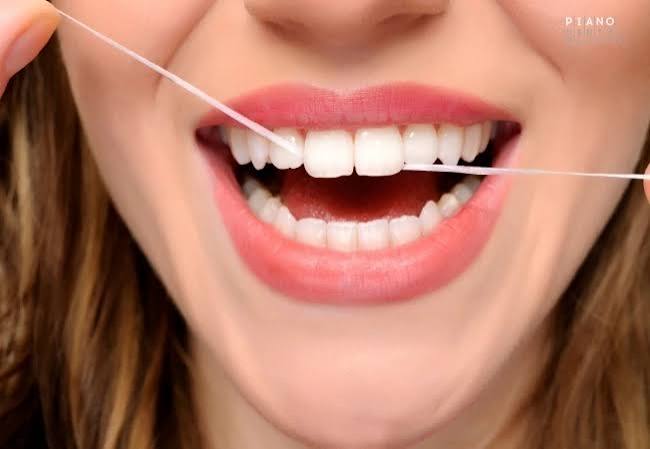
After restorative procedures, in order for the filling to fully harden and the area to adapt, one should not eat until the anesthesia wears off, should avoid excessively hard or sticky foods, and should continue the daily oral hygiene routine fully, including brushing and flossing.
Mild sensitivity to hot or cold in the tooth during the first few days after treatment is an expected and physiological condition. However, if this sensitivity persists or a feeling of pressure continues while chewing, one should consult the dentist to have the filling height checked. Since the composite materials used may discolor over time due to tea, coffee, or tobacco products, limiting the consumption of such staining agents will extend the aesthetic lifespan of the restoration.
| Care Step | Recommended Frequency / Method | Benefit |
|---|---|---|
| Tooth Brushing | Twice a day, with a soft/medium bristle brush | Prevents plaque buildup and secondary decay |
| Flossing | At least once a day | Keeps the interproximal areas of fillings clean |
| Food Consumption | Caution with excessively hard, crusty, and sticky foods | Reduces the risk of the restoration breaking or dislodging |
| Clinical Check-up | Regular examination every 6 months | Ensures the integrity of the restorative material is checked |
Frequently Asked Questions About Restorative Dental Treatments
Is restorative dental treatment permanent?
Restorative dental treatments are permanent repairs, but they have a certain clinical lifespan depending on the type of material used and the patient’s oral care. A well-maintained composite or porcelain filling can serve the tooth for years while retaining its form.
Can restorative dental treatment be performed during pregnancy?
Yes, with the approval of an obstetrician, urgent or necessary restorative dental treatments can be safely performed during pregnancy, especially in the second trimester (months 3–6). Cavities that carry a risk of tooth loss if postponed are treated during this period.
Does restorative treatment change the color of the tooth?
No; on the contrary, since restorative treatments are performed using composite or ceramic materials that are fully matched to the tooth’s natural color, they improve the aesthetic appearance of the tooth by masking discolored or decayed areas.
If my filling falls out, can restorative treatment be applied again?
A new restorative procedure can be applied in place of a filling that has fallen out or broken, after evaluating the condition of the remaining tooth structure. If the damage to the tooth is too extensive, the dentist may recommend alternatives such as an inlay/onlay or crown instead of a traditional filling.