

Why Does Dental Crowding Occur and How Does Orthodontics Treat It?
Dental crowding is a condition that results from a proportional mismatch between the size of the jawbone and the width of the teeth, causing the teeth to fail to find enough space on the ideal arch and, as a result, overlap or erupt at different angles. This structural difference creates a picture that directly affects a person’s bite dynamics, chewing function, and daily oral hygiene routine. Orthodontics aims to correct this crowding by analyzing the teeth and jawbones according to biomechanical principles. Managing the spaces within the mouth, correcting the axes of the teeth, and moving the tooth roots within the bone in a controlled manner form the fundamental building blocks of this process. Orthodontic applications, shaped according to each individual’s anatomical characteristics, focus on achieving a functional and proportionate dental alignment.
What Are the Main Causes of Dental Crowding?
Dental crowding mainly occurs due to causes such as genetic inheritance, skeletal disproportions, early or late loss of baby teeth, certain habits acquired during childhood, and insufficient space in the jawbone. The human jawbone has a certain capacity it can accommodate; if the total size of the teeth exceeds this capacity, the teeth begin to shift on top of one another in an attempt to find space on the dental arch. This is usually observed more prominently in the upper and lower front teeth. In order to determine the source of the crowding, dentists examine the patient’s intraoral measurements and radiological images to analyze whether the problem stems from a skeletal issue or simply from the size of the teeth. These analyses serve as a guide in determining which orthodontic method will be used going forward.
How Do Genetic Factors Affect Tooth Alignment?
Genetic factors directly affect tooth alignment by shaping the balance between jaw size and tooth size through the combination of inherited traits passed down from an individual’s parents. For example, an individual may inherit a small jaw structure from their mother and large, wide tooth forms from their father. The combination of these two different genetic codes results in the teeth being unable to fit into that narrow jawbone. Children of individuals with a family history of protruding lower jaws, receded upper jaws, or severe crowding are also more likely to experience similar jaw and tooth discrepancies. When making their treatment plans, orthodontic specialists take the individual’s genetic predispositions into account when evaluating the limits of the skeletal structure.
Why Does Early Loss of Baby Teeth Create a Foundation for Crowding?
Early loss of baby teeth creates a foundation for crowding because the teeth neighboring the gap left by the lost tooth gradually tilt into that space over time, closing off the eruption path for the permanent tooth coming in below. Baby teeth are not merely temporary structures that serve a chewing function; they also act as natural guides that hold space for the permanent teeth. If a baby tooth is lost far earlier than expected due to reasons such as decay or trauma, the teeth behind it tend to shift forward. This shift blocks the path of the permanent tooth trying to erupt from below. Unable to find sufficient space, the permanent tooth is forced to erupt either further out or further in than it should within the jawbone, disrupting the balance of the alignment. For this reason, monitoring the mouth during childhood is very important.
How Do Childhood Habits Change Jaw and Tooth Structure?
Habits that continue for a long time during childhood, such as thumb-sucking, pacifier use, lip biting, pencil biting, or mouth breathing, change the structure of the mouth by continuously applying force in the wrong direction to the jawbones and teeth. These reflexes, considered normal during infancy, can lead to narrowing of the upper jaw, forward protrusion of the front teeth, and disruption of the bite relationship between the lower and upper jaw if they continue until the age when permanent teeth begin to erupt. In children who breathe through their mouth constantly, especially due to reasons such as nasal congestion, the roof of the upper palate deepens and the jaw arch narrows, restricting the space available for the teeth. Identifying these habits during orthodontic examinations is of great importance for the course of treatment.
Do Wisdom Teeth Cause Crowding?
The question of whether wisdom teeth cause crowding has been studied in the field of dentistry for many years, and it is known that, in cases where there is not enough space in the jaw, these teeth can affect alignment by pressing against the teeth in front of them as they erupt. Wisdom teeth, located at the very back of the jaw, push against the molars in front of them in an attempt to widen the narrow space they find while trying to erupt. This pushing force can create a domino effect, leading to buildup and crowding in the area of least resistance, typically the front incisor region. At the beginning of orthodontic treatment or during the retention period, dentists examine the position of the wisdom teeth using panoramic X-rays and may recommend extraction of these teeth if there is a risk of pressure being applied.
By What Logic Does Orthodontics Correct Crowded Teeth?
Orthodontics corrects crowded teeth through the logic of remodeling — the biological response of bone tissue to light, continuous forces applied to it. The tooth root is attached to the jawbone by a flexible connective tissue called the periodontal ligament. When a certain directional pressure is applied to a tooth through brackets, wires, or clear aligners, resorption (breakdown) occurs in the bone tissue in the direction the tooth is moving, while new bone formation (apposition) occurs in the space left behind the tooth. Through this cellular adaptation process, the tooth gradually moves within the jawbone and settles into its pre-calculated new position. Orthodontic systems are designed to preserve this delicate balance and generate forces at a dosage that will not put bone health at risk.
Basic Stages of Biomechanical Movement:
- Force Application: A micro-level pressure is transmitted to the tooth in the desired direction through appliances.
- Cellular Response: The connective tissue and bone cells around the tooth root react to this pressure.
- Bone Renewal: As bone breaks down in the direction the tooth is moving, new bone tissue forms in the area left behind.
- Stabilization: Once the tooth settles into its new position, the surrounding tissues adapt to this new location.
What Should the Condition of the Mouth Be Like Before an Orthodontic Evaluation?
Before an orthodontic evaluation, the condition of the mouth should be free of cavities, cleared of tartar, and the gum tissue should have reached a healthy pink appearance. The brackets or aligners that will be placed on the teeth are part of a long-term plan, and having these materials work on inflamed or bleeding gums can make it harder to achieve the expected results. In addition, since cleaning the interdental surfaces requires more care once the wires are placed, repairing any existing cavities with fillings before beginning the process helps prevent sensitivity issues that could occur later on. Orthodontists recommend that patients begin this process in coordination with general dentistry procedures in order to prepare properly.
Which Orthodontic Materials Are Used to Treat Crowding?
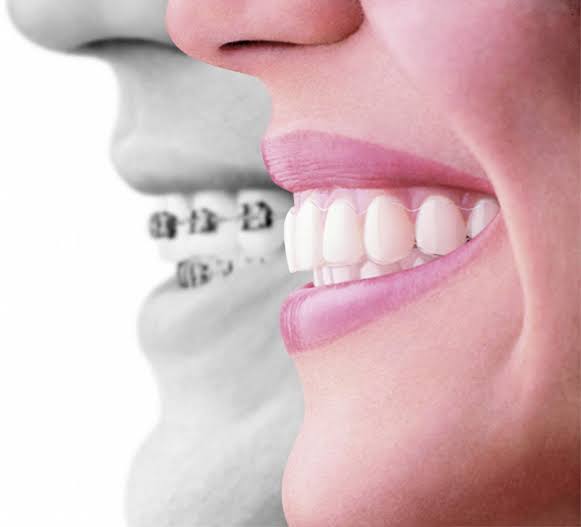
A variety of orthodontic materials with different dynamics are used to treat crowding, including metal brackets, porcelain (clear) brackets, lingual brackets, and removable clear aligner systems. Selected according to the severity of the problem, the structure of the tooth roots, and the patient’s aesthetic expectations, these tools each have their own distinct working mechanisms. In extensive crowding cases, fixed wires may be preferred to achieve three-dimensional tooth movement, while in moderate to mild crowding, aligners based on digital planning may be preferred. The table below provides a comparative overview of the basic usage characteristics of these materials:
| Type of Orthodontic Appliance | Structural Characteristics | Usage Dynamics and Advantages |
|---|---|---|
| Metal Bracket Systems | Fixed attachments made of stainless medical steel, bonded to the front surface of the tooth. | Widely used for extensive bite problems. Highly durable. |
| Porcelain / Ceramic Brackets | Semi-transparent or white-colored aesthetic attachments that blend with the natural tooth color. | Offers an aesthetic alternative for adult patients who do not want a metallic appearance. |
| Clear Aligners (Wireless Orthodontics) | Thermoplastic series produced with 3D printers, which the patient can remove and reinsert themselves. | Adds flexibility to daily routines since they can be removed while eating and brushing teeth. |
| Lingual Orthodontic Appliances | Fixed systems placed not on the lip side of the teeth but on the inner surface facing the tongue. | Meets specific social expectations for individuals who do not want any appliance to be visible from the outside. |
What Function Do Clear Aligners Serve in Cases of Crowding?
In cases of crowding, clear aligners serve the function of transferring digitally planned steps to the teeth in sequence, aligning gaps or overlaps through weekly changes. In this system, optical scan data taken from inside the mouth is processed digitally, and the journey of the teeth from their starting position to their targeted final position is simulated. Each aligner series delivered to the patient is molded to move the tooth by a certain amount (usually fractions of a millimeter). As the patient wears the aligners for the period recommended by the dentist, the shape memory of the aligners applies pressure to the teeth. This method increases the directional force through small composite filling pieces (attachments) bonded onto the teeth.
How Does the Orthodontic Process Progress with Traditional Wires?
The orthodontic process with traditional wires progresses over specific periods, involving the bonding of brackets to the tooth surfaces with special adhesive agents and the application of archwires that pass through these brackets. Archwires are made from shape-memory alloys such as nickel-titanium. Initially bent to take the form of the crowded teeth, this wire attempts to return to its original U shape through body heat and its own chemical structure. As the wire tries to straighten, it also pulls the teeth attached to it toward its own arch line. At each of the patient’s check-up appointments, the dentist thickens these wires or adds supportive elastics that apply different forces to the system. Progress is shaped by the patient’s regular attendance at check-ups.
How Are Orthodontic Treatment Plans Carried Out in the Ankara Region?
In the Ankara region, orthodontic treatment plans are carried out with flexible appointment systems and personalized analyses designed to adapt to the busy pace of work and school life that comes with city living. Individuals seeking support for crowding problems expect their clinic visits not to disrupt their daily lives. In this context, organizations such as Panorama Ankara design their treatment process with a patient-focused approach, determining the detailed oral scans patients need and the material preferences to be used (brackets or aligners). For residents of Ankara, every detail — from transportation planning to the frequency of check-up sessions — is organized with the patient’s comfort at the center, and information is shared transparently throughout the process.
How Does Correcting Crowded Teeth Affect Oral Hygiene?
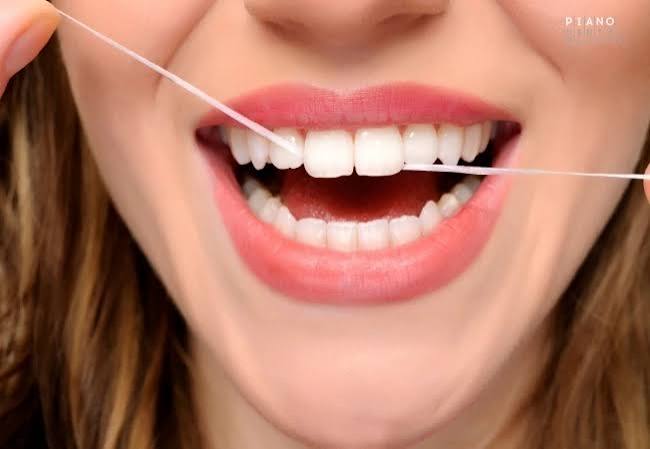
Correcting crowded teeth supports oral hygiene by making it easier to clean food debris that gets trapped between the teeth, and reduces the risk of tartar buildup and cavity development. When teeth overlap, micro blind spots form that toothbrush bristles and standard floss cannot reach. Bacterial plaque that accumulates in these areas produces acid over time, weakening the tooth enamel and causing gum inflammation. Once each tooth is moved into its ideal position through orthodontic treatment, the toothbrush is able to make equal contact with all surfaces. This functional realignment makes it easier for the individual to carry out their own oral care, contributing to long-term dental health.
How Should Eating and Drinking Habits Be Adjusted During Treatment?
During treatment, eating and drinking habits should be carefully adjusted by avoiding hard, crusty, and sticky foods that could damage the wires and brackets. Since brackets are attached to the tooth surface with an adhesive designed to be removable later, they are sensitive to excessively hard chewing forces. Preserving the shape of the wires while crowding is being corrected is important for the process to proceed without interruption. Some rules that orthodontic patients are expected to follow regarding their eating habits are as follows:
- Foods with pits, such as olives, plums, and cherries, should have their pits removed before being placed in the mouth.
- Foods such as apples, pears, or hard bagel-type bread should not be bitten into and torn with the front teeth; instead, they should be broken into small pieces and chewed with the back molars.
- Consumption of products that stick to the teeth and wires, such as gummy candy, caramel, and chewing gum, should be avoided.
- Directly and forcefully cracking ice or nuts (such as roasted chickpeas or hazelnuts) should be avoided, as this can cause the wire to bend or the bracket to come loose.
Why Is the Retention Phase Important After Orthodontic Treatment?
The retention phase after orthodontic treatment is of great importance in preventing the actively aligned teeth from shifting back to their original positions (relapse) until the surrounding bone tissue and muscle balance adjust to their new positions. Once crowding has been corrected and the wires or aligners have been removed, the connective tissues holding the tooth roots are still in a flexible state. The natural pressure of the lip, cheek, and tongue muscles can push the teeth back toward their previous positions. Dentists apply personalized passive protective systems to keep this under control. If the retention phase is skipped, there is a risk that the proper alignment achieved through months of effort will be disrupted.
| Retention Appliances | Characteristics and Method of Use |
|---|---|
| Fixed Retainer Wire | Usually a thin wire fixed to the inner surface (facing the tongue) of the lower and upper six front teeth. It is not visible from the outside and does not bother the patient. |
| Clear Protective Aligners (Essix) | Removable aligners prepared based on measurements of the final tooth positions, worn for the period determined by the dentist (usually at night). |
| Removable Retainers (Hawley) | Classic retention appliances consisting of an acrylic palate section and a metal wire wrapping around the front teeth, used while sleeping at night. |
Frequently Asked Questions
1. Can crowded teeth be corrected without braces?
Without using traditional metal or porcelain braces, many cases of crowding can also be brought into functional alignment using clear aligner systems prepared based on digital measurements.
2. Is orthodontics only performed at a young age?
Although the growth period offers advantages for guiding jaw discrepancies, orthodontic correction of crowded teeth is possible in all adult individuals with healthy gums and bone; age is not an obstacle.
3. Is tooth extraction always necessary for crowding treatment?
No, tooth extraction is not required in every case. The dentist calculates the patient’s jaw width relative to tooth size; if there is no space at all in the jaw arch and the teeth cannot fit, symmetrical tooth extractions may sometimes be planned to create space for the remaining teeth.
4. Can gaps between my teeth be closed with orthodontics?
Yes, gaps between teeth, known as diastema, can be closed both aesthetically and functionally through the principle of orthodontic appliances slowly moving the teeth toward each other.
5. Does getting braces cause sores in the mouth?
During the first few weeks after braces are placed, mild irritation may occur inside the cheeks and lips as they get used to the new materials. Applying orthodontic wax, provided by the dentist, over the brackets makes this adaptation period easier.
6. Can I drink tea or coffee while wearing clear aligners?
Since hot beverages can distort the shape of thermoplastic clear aligners and cause staining, it is recommended to remove the aligners from the mouth while drinking tea or coffee.
7. Is brushing teeth harder while wearing braces?
It requires a bit more attention and time. Cleaning food that can accumulate around the brackets using interdental brushes and special floss, in addition to a regular toothbrush, is important for maintaining oral health.
8. How does the orthodontic process affect speech?
Traditional wires attached to the lip side generally do not affect speech. With clear aligners or lingual wires attached to the inner surface, a short adaptation period of a few days may be needed for the tongue to adjust.
9. Why do teeth feel slightly loose while they are being straightened?
When orthodontic force is applied, the ligaments around the tooth root stretch, and a remodeling process begins in the bone tissue. Feeling slight mobility (looseness) in the teeth during this cellular change phase is a natural part of the biological process.
10. Do I need to wear my retention wire for life?
How long a fixed retention wire attached to the inner surface stays in the mouth varies depending on the dentist’s case analysis. However, dentists generally recommend leaving these wires in place for many years — as long as the anatomical condition allows — in order to eliminate the tendency for teeth to shift back to their original positions.
11. Can braces be placed during pregnancy?
Pregnancy is not a biological obstacle to orthodontic treatment; however, since X-rays typically need to be taken before starting the process, it is more appropriate for planning to be completed before pregnancy. In addition, since gum sensitivity may increase during pregnancy, extra attention should be given to oral care.
12. Do wires cause problems while playing sports?
They do not cause problems during routine sports activities. However, for close-contact sports where the face could be struck directly, such as boxing or basketball, using special sports mouthguards to protect the inside of the cheeks is important.
13. What is the average time between appointments?
This varies depending on the system used, but for traditional wires, clinic check-ups are generally scheduled every 4 to 6 weeks in order to update the force of the wires.
14. How is a narrow jaw corrected?
In children who are still growing, bone development can be guided using removable or fixed jaw expander appliances (palatal expanders). In adults whose skeletal growth has been completed, this procedure may require a combined treatment plan supported by jaw surgery.
15. Is orthodontics purely an aesthetic procedure?
Although the aesthetic results are noticeable, the true purpose of orthodontics is to ensure the lower and upper jaw close together correctly in order to preserve joint health, improve chewing efficiency, and reduce the risk of decay by creating a dental alignment that is easier to clean.