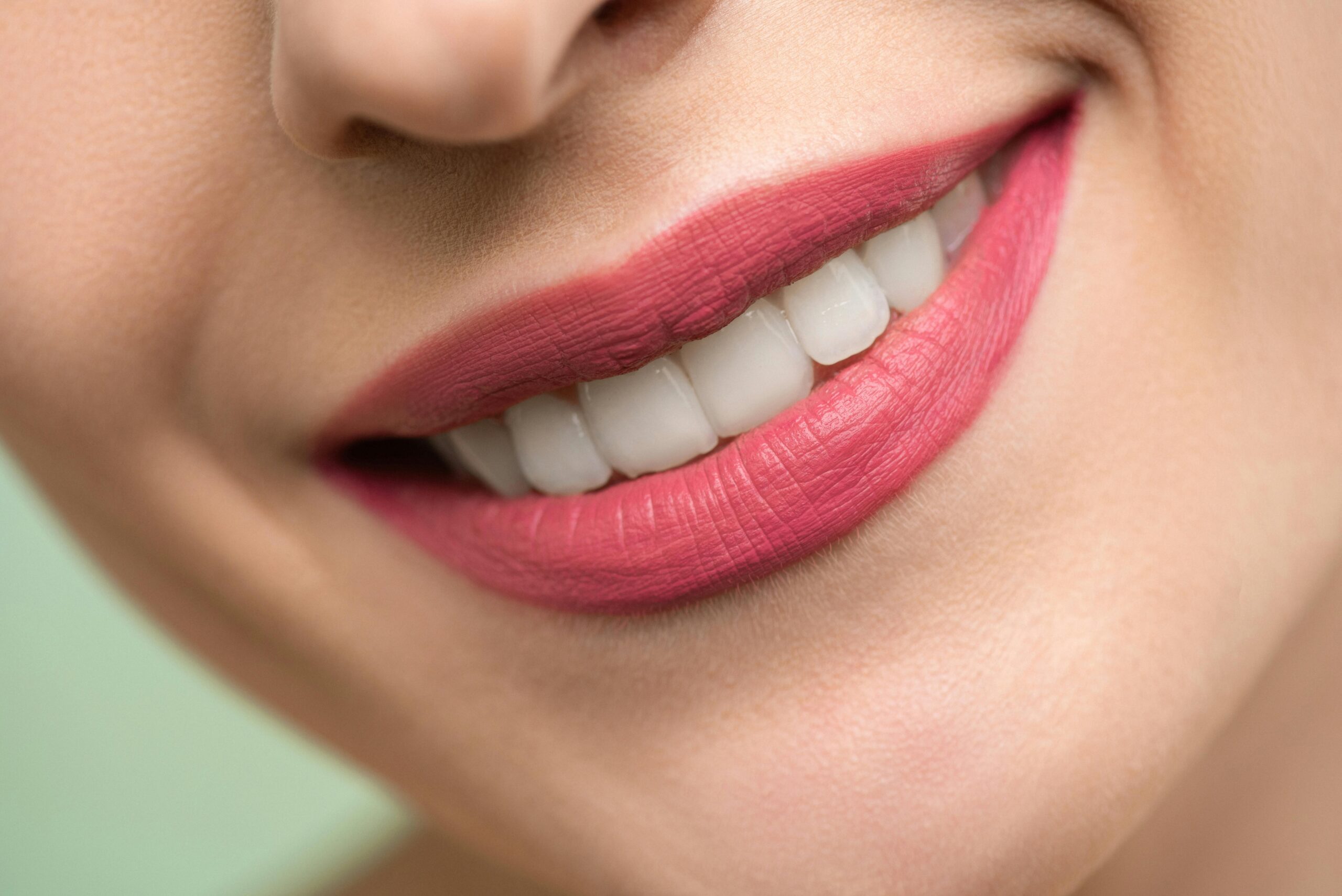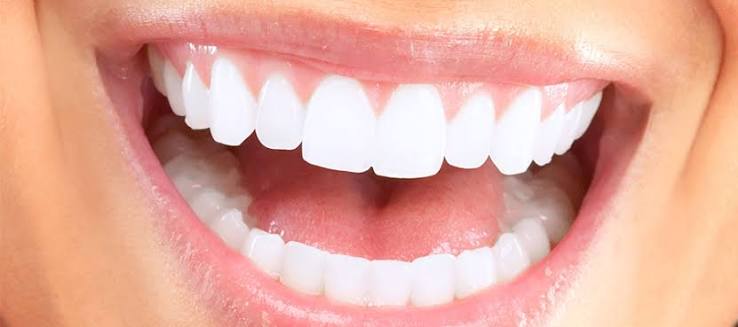


Digital smile design is the advance planning of aesthetic dental treatment on a computer using facial and dental photographs, videos and intraoral scan data. In this approach, the length, width and alignment of the teeth and the gum levels are assessed together with facial proportions. The aim is to create a shared, measurable goal between the dentist, the patient and the dental laboratory before treatment begins.
For many years, planning in aesthetic dentistry relied largely on plaster models and the dentist’s observation. Digital tools do not replace this process, but they help information to be collected, shared and compared in a more organised way. In this article, we look at the steps that make up digital smile design and what it adds to treatment planning.
What Does the Digital Smile Design Process Involve?
Digital smile design does not mean a single device or piece of software. It is a planning method in which data collected from different sources is brought together and assessed. The aesthetic goals of the smile design process are made concrete with this digital data.
Data collection
The first step in planning is taking records that show the person’s face and teeth from different angles. These records usually include:
- Standard photographs: Front and side views of the face, and the relationship between lips and teeth at rest and when smiling.
- Short videos: Movement of the teeth and lips while speaking and smiling. Details that cannot be seen in a still photo can be observed better on video.
- Intraoral scan: A three-dimensional digital model of the teeth and gums.
- Radiographic images: Where needed, X-ray or CBCT records that provide information about the tooth roots and surrounding bone.
Analysis
Reference lines such as the facial midline, the line joining the pupils and the lip line are marked on the collected photographs. The relationship of the teeth to these lines, the width-to-length ratios of the front teeth and the symmetry of the gum levels are examined. This analysis provides a framework for which changes to the teeth may be meaningful from an aesthetic point of view.
Design
After the analysis, the proposed tooth shapes are worked on both on the two-dimensional photograph and on the three-dimensional digital model. This is also called a digital wax-up. The design is assessed together with the patient’s expectations and the clinical findings, and adjusted if necessary.
Review and approval
The design is reviewed with the patient on screen and through an intraoral trial. At this stage, the person’s feedback on tooth length, shape and overall appearance is gathered. The dentist assesses whether the proposed changes are clinically achievable, how much intervention they would require on the teeth and how they would affect the bite. The agreed design is recorded as the reference for the treatment plan and the laboratory work.
Digital Tools Used in Planning
In digital dentistry, different tools are used to complement one another. Each makes its own contribution:
- Intraoral scanners: Allow the teeth to be scanned optically instead of using traditional impression materials. The model obtained with intraoral scanners forms the basis of the design.
- Design software: Makes it possible to take measurements and try out tooth shapes on photographs and three-dimensional models.
- 3D printers: Can be used to turn the digital design into a physical model.
- CAD/CAM systems: Help produce the planned restorations based on digital data.
From Digital Design to Intraoral Trial
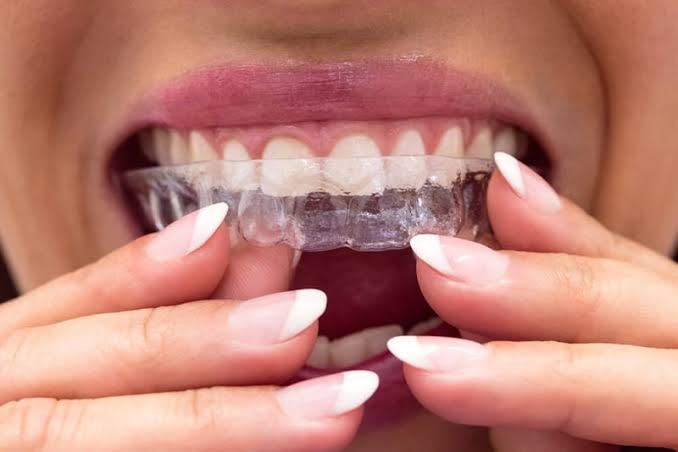
A design seen on screen may not fully reflect how it will look on the person’s own face. For this reason, the digital design is often turned into a temporary trial in the mouth. In this step, called a mock-up, the designed tooth shapes are transferred onto the teeth with a temporary material, and the person can assess the planned appearance in the mirror, while speaking and while smiling. You can find details of this stage in our article on the smile design process and mock-up trial.
What Digital Smile Design Adds and Where Its Limits Lie
Contributions to planning
Digital planning helps make the goals of aesthetic treatment visible before treatment starts. It makes communication between dentist and patient easier; subjective wishes such as “longer” or “straighter” can be turned into measurable proposals. Digital data shared with the laboratory can help restorations be made according to the planned shape. The design can also help anticipate how much intervention the teeth will need.
Comparing treatment options
Sometimes the same aesthetic goal can be reached in different ways. For crowded teeth, for example, options such as orthodontic treatment alone, orthodontics combined with limited restorations, or laminate veneers directly may be considered. Digital design helps assess side by side the changes each option would require and the likely appearance. This allows the person to take part in the decision with a clearer understanding of the scope of each option and its effect on tooth structure.
Limitations
Digital smile design is a simulation, not a promise that shows the treatment outcome exactly. Colour, light and texture on screen may differ from the actual appearance in the mouth. Clinical factors such as gum structure, bone support, the bite relationship and existing fillings or crowns also affect whether the plan can be carried out. For this reason, digital design should be considered together with a clinical examination and functional assessment.
Aesthetic planning is not limited to how the teeth look. Chewing function, the jaw joint and gum health are also assessed as part of the design. Considering aesthetics and health together forms the basis of long-term planning.
Digital records can also be used for comparison at later stages of treatment. Comparing initial records with those taken during treatment makes it easier to follow the plan.
Frequently Asked Questions
Is digital smile design a treatment?
No, digital smile design is a planning method. The treatment carried out after the design may include different options such as laminate veneers, composite bonding, orthodontics or gum contouring, and is decided individually.
Will the design I see on screen be applied to my teeth exactly?
The design provides a roadmap, but some changes may be needed because of clinical conditions. An intraoral trial helps assess the design in real conditions.
What records are taken for digital smile design?
Facial and dental photographs, short videos and intraoral scan records are usually taken. If needed, additional imaging such as X-rays or CBCT is also included in planning.
Is digital smile design used only for veneers?
No. Digital planning can be used in many treatments that involve the aesthetic zone, such as orthodontic treatment, composite bonding, gum contouring and implant-supported restorations. Which treatments are included in the plan is decided based on examination findings.
Note: This article is for general information purposes only. Whether treatment is needed and which method is appropriate are determined individually by your dentist after an examination and any necessary tests.