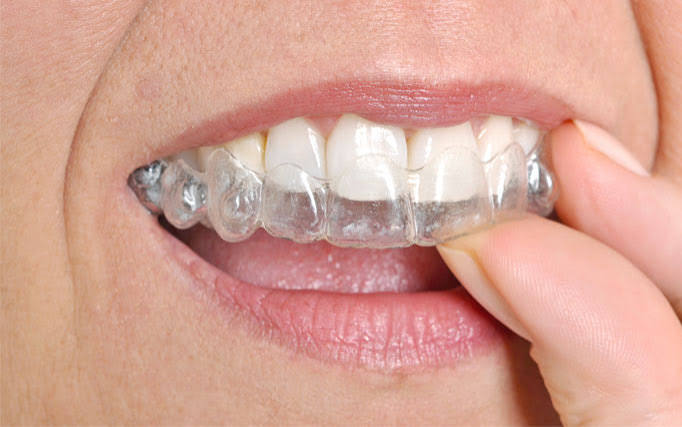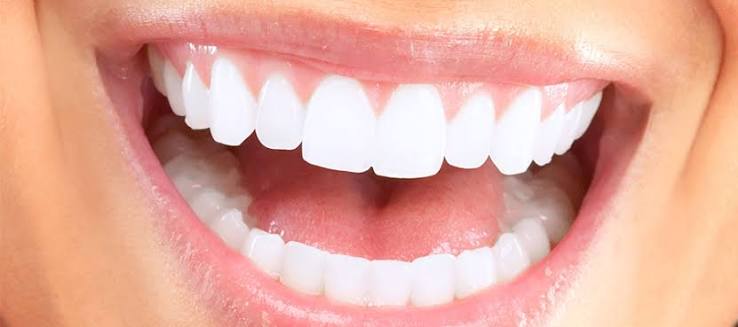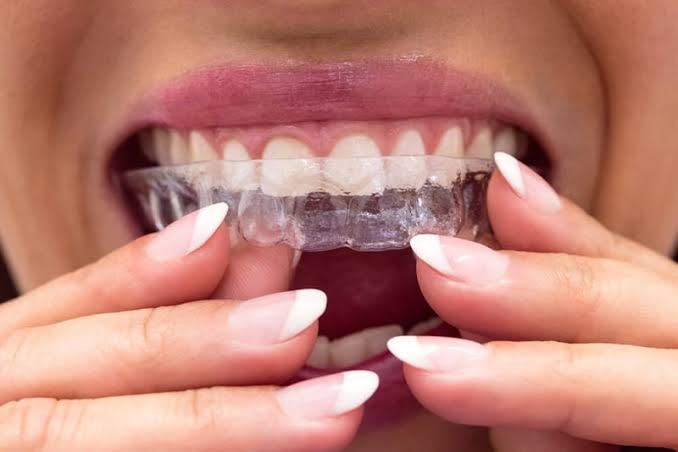


IPR (interproximal reduction) in clear aligner treatment means creating controlled space between teeth by removing very small amounts of enamel from their side surfaces. This procedure can help provide the room needed to align crowded teeth and bring tooth shapes into harmony. IPR is not needed for every patient; whether it is needed and how much is done are determined by the orthodontist’s digital treatment plan.
Also known as “enamel reduction”, “tooth slenderising” or “stripping”, IPR can sound worrying when you first hear about it. In this article, we explain in general terms why the procedure is done, how it is carried out and how it affects the teeth.
What Is IPR (Interproximal Reduction)?
The outer surface of the teeth is covered by a hard tissue called enamel. Although enamel thickness on the side surfaces varies from tooth to tooth, it is thick enough to allow a certain amount of controlled reduction. IPR refers to removing only a very thin part of this enamel layer, within limits that protect the health of the tooth.
The amount removed is usually expressed in fractions of a millimetre, and how much space will be created between which teeth is calculated one by one during planning. The total space created is then used to allow the teeth to line up.
Why Is IPR Used in Clear Aligner Treatment?
For teeth to move into their planned positions during clear aligner treatment, there needs to be enough space in the dental arch. When there is not enough space, the teeth may continue to overlap. IPR is one way of creating this space. The main situations in which it is used are:
- Mild to moderate crowding: Providing the limited space needed for teeth to line up
- Tooth size discrepancies: Bringing the widths of the upper and lower teeth into harmony with each other
- Reshaping tooth form: Widening the contact points of triangular teeth to help reduce the dark triangular gaps at the gum line
- Positioning the front teeth: Creating the limited space needed to move forward-tipped teeth back
IPR is not the only option. The need for space can also be met by expanding the dental arch, adjusting the tilt of the teeth or, in some cases, tooth extraction. Which method is chosen is assessed by the orthodontist based on factors such as tooth size, gum condition and facial profile.
Factors Considered When Planning IPR
When planning IPR, the orthodontist assesses each tooth individually. Tooth width, enamel thickness, the shape of the contact points, any fillings or crowns and the condition of the gums are all part of this assessment. The ratio between the widths of the upper and lower teeth is also taken into account; a balanced ratio can help the teeth bite together in harmony at the end of treatment.
For teeth with a high tendency to decay, fillings between the teeth or sensitivity, the amount of IPR may be kept limited or a different method may be chosen. X-rays of the teeth also help planning by giving an idea of enamel and dentine thickness. For this reason, IPR is carried out as part of a pre-calculated plan; it is not a procedure done at random during treatment.
How Is IPR Done?
IPR is carried out at specific stages of clear aligner treatment, at the times set out in the treatment plan. Sometimes it is done at the start of treatment, and sometimes after the teeth have reached a certain position. One or more of the following tools are usually used:
- Thin abrasive strips (passed between the teeth by hand)
- Special thin discs (applied between the teeth in a controlled way)
- Thickness gauges to measure the amount of space created
After the procedure, the reduced surfaces are polished and made smooth. A fluoride application to protect the enamel is also usually carried out. Because enamel contains no nerves, the procedure does not require anaesthesia for most patients; some people describe only a feeling of vibration or pressure.
IPR is usually done during a check-up appointment, after attachments have been bonded or at planned stages of aligner changes. The amount of space created is measured during the procedure to check that it matches the plan. In IPR plans spread over several appointments, only the teeth planned for that stage are treated at each visit.
How much IPR will be done is decided in digital planning. For this planning, a precise impression of the teeth is taken and each stage of treatment is simulated on a computer. For the overall course of aligner treatment, see our clear aligner treatment page.
Does IPR Damage the Teeth?
This is the question patients ask most often. According to the generally accepted view, when IPR is done within planned limits and with appropriate technique, most of the enamel is preserved. Studies show that, when carried out correctly, IPR does not significantly increase the risk of cavities or gum disease.
That said, some points are important:
- Mild sensitivity lasting a few days may occur after the procedure.
- Polishing the reduced surfaces is necessary to reduce plaque build-up.
- Daily cleaning between the teeth should continue regularly after the procedure.
- Planning is more cautious for teeth with thin enamel or for patients with a high tendency to decay.
Small gaps may be visible between the teeth for a short time after IPR. These gaps usually close as the teeth move with the following aligners, because the space created has been calculated in the treatment plan to be used for aligning the teeth.
What to Keep in Mind After IPR
Taking care of your oral hygiene after the procedure helps keep the tooth surfaces healthy. It is important to keep using dental floss or interdental brushes, to choose a fluoride toothpaste and to wear your aligners for the recommended time. For details on daily wear time, see our article on how many hours a day clear aligners should be worn.
If sensitivity to cold or hot foods lasts a long time, or if you notice significant irritation of the gums, you should let your orthodontist know. For matters related to gum health, a periodontology assessment may also be considered.
Frequently Asked Questions
Is IPR done in every clear aligner treatment?
No, it is not needed in every treatment. IPR may not be planned when there is no need for space or when that need is met by other methods. The decision is based on the orthodontist’s digital planning.
Does IPR hurt?
Because enamel contains no nerves, most patients do not feel significant pain. Some people may notice vibration, pressure or brief sensitivity. This sensitivity usually eases within a few days.
Do the gaps created by IPR remain?
The gaps created are spaces planned for the teeth to move into. As treatment progresses, the teeth move into these spaces and the gaps usually close. The process is monitored at check-up appointments.
Are teeth that have had IPR more likely to decay?
IPR done with the correct technique and with polished surfaces is considered not to significantly increase the risk of cavities. Even so, regular brushing, cleaning between the teeth and using fluoride toothpaste are important.
Note: This article is for general information purposes only. Whether treatment is needed and which method is appropriate are determined individually by your dentist after an examination and any necessary tests.