

Dentin sensitivity is the name given to the sudden and sharp pain that occurs when the underlying dentin layer is directly exposed to external factors (hot, cold, sweet or sour stimuli) as a result of tooth enamel erosion or gum recession. Laser dentin sensitivity treatment is one of the advanced technology applications used in dentistry to reduce or completely eliminate this sensitivity. Laser energy provides fast and permanent results by closing the dentin channels and preventing transmission to the nerve endings. It is both a longer-lasting and more comfortable procedure compared to traditional topical agents.
Why Should Laser Treatment Be Preferred?
While standard desensitizing gels and varnishes can temporarily relieve sensitivity, they have limitations in terms of frequency of application and permanence. The dentist-type lasers used in laser treatment (such as neodymium-yag or diode lasers) prevent the impulses from reaching the nerves by sealing the dentin canal walls at a microscopic level. This method provides visible relief in a single session; and accelerates the healing process in the gums thanks to the biostimulating effect of the laser beam. Therefore, it both minimizes the use of painkillers and significantly increases the patient’s comfort.
How is Dentin Sensitivity Applied with Laser?
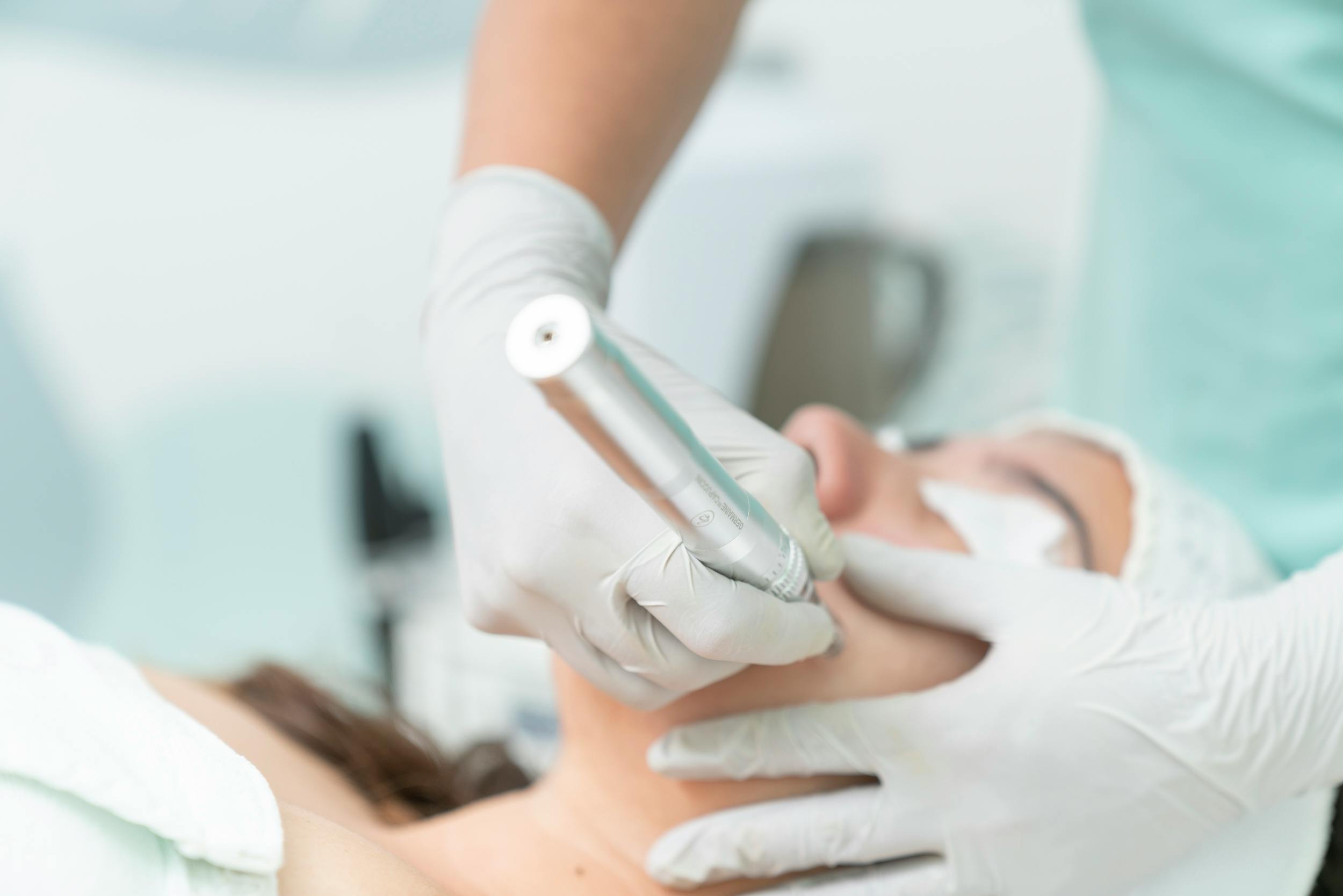
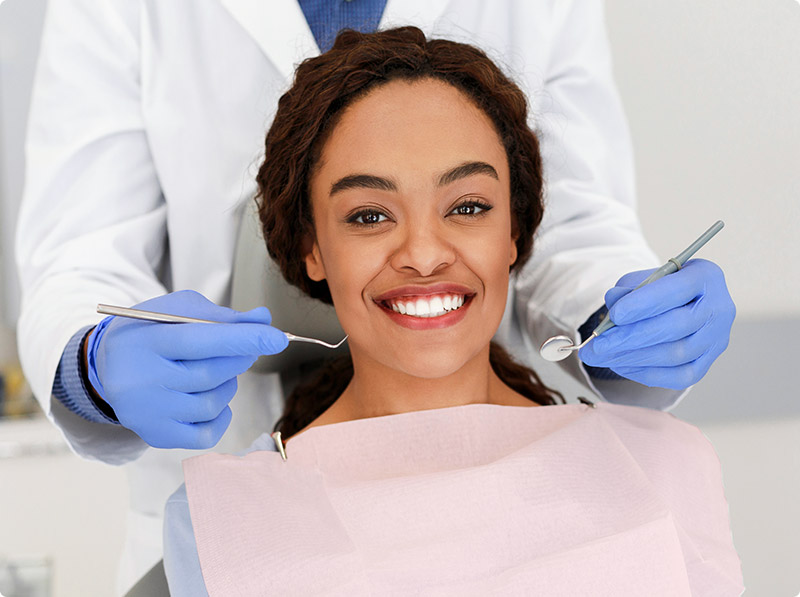
The procedure begins with the professional cleaning of the teeth. Then, a special gel or cooling agent in the form of an intraoral spray is applied to the problematic tooth surfaces. The dentist adjusts the wavelength and energy of the laser according to the protocol suitable for the dentin surface; and directs the laser beam to the sensitive points of the tooth in pulses lasting a few seconds. This session, which lasts 1–2 minutes in total, is usually painless (noninvasive) and does not require local anesthesia. At the end of the treatment, the patient can immediately return to their daily routine and experience the permanent effect within a week.
Advantages
One of the prominent benefits of laser dentin sensitivity treatment is that it offers maximum comfort with minimal intervention. After the application, the sudden pain sensation against daily hot and cold stimuli decreases dramatically. In addition, the biostimulation effect of the laser supports gum health by increasing microcirculation. In traditional methods, there is no need for frequent applications and intermediate support sessions, and positive results are obtained after one or two sessions. In this way, the patient saves time and obtains a long-term solution.
Who is it suitable for?
Laser treatment can be recommended for anyone who has dentin canals opened due to tooth enamel erosion, gum recession or acid erosion and who experiences severe pain during daily hot/cold food and beverage consumption. Especially patients who have frequent teeth whitening, have aggressive tooth brushing habits or deal with conditions that trigger acid secretion such as reflux and stress; benefit from laser treatment when they cannot get satisfactory results with traditional pain relief methods. Laser can also be safely preferred in groups that have to limit medication use, such as pregnant and breastfeeding patients.
Results and Care Recommendations
Laser dentin sensitivity treatment is an innovative application that simultaneously increases both patient satisfaction and treatment effectiveness in dentistry. Using fluoride-containing toothpaste after treatment, reducing the frequency of acidic foods and drinks, and gently brushing with a soft-bristled toothbrush will help you maintain permanent comfort. When supported by regular dentist check-ups and professional cleaning sessions, dentin sensitivity becomes a problem that no longer limits your daily life. For a healthy and comfortable smile, contact our expert team immediately to get detailed information about laser dentin sensitivity treatment.