

When Should Orthodontic Treatment Begin?
The ideal period to begin orthodontic treatment is generally between the ages of 7 and 12, when the permanent teeth begin to erupt and jaw development is still ongoing. However, there is no upper age limit for orthodontic treatment, and any adult whose teeth and gums are healthy can safely undergo orthodontic intervention at any age.
Orthodontics is not a field concerned solely with the aesthetic alignment of teeth; it is also a comprehensive clinical discipline applied to ensure the harmony of the jawbones, the regulation of chewing functions, and the healthy maintenance of speech biomechanics. Crowding of the teeth (malocclusion), jaw closure disorders, or skeletal discrepancies, if left untreated, can lead to a wide range of problems in later years, from digestive issues to jaw joint disorders. For this reason, the timing of treatment must be carefully determined by the dentist based on whether the problem is dental or skeletal in origin.
At What Age Should Children Have Their First Orthodontic Examination?
Children’s first orthodontic examination should take place at age 7, when the primary teeth begin to be replaced by permanent teeth and the first permanent molars erupt. Since the jaw closure begins to take shape at this age, early diagnosis and guidance for possible developmental or skeletal problems can be provided much more effectively by specialists.
These early examinations do not always mean that treatment will begin immediately. In most cases, the dentist monitors the child’s tooth eruption and jaw development period. However, if habits such as thumb sucking, prolonged pacifier use, mouth breathing, or atypical swallowing are detected, early intervention (preventive orthodontics) can be carried out with simple appliances that break these habits. Early diagnosis is of great clinical importance in preventing much more complex and lengthy surgical or intensive orthodontic procedures later on.
What Are the Advantages of Early Orthodontic Treatment?
The advantages of early orthodontic treatment include correctly guiding jaw growth, creating adequate space in the mouth for permanent teeth, reducing the risk of impacted teeth, and supporting facial symmetry. It also allows habits that disrupt jaw structure, such as thumb sucking, to be stopped at an early stage before they cause permanent damage.
Because the jawbones have not yet fully hardened during childhood and have a high growth and development potential, they respond much more quickly to orthodontic forces. Correcting skeletal narrowness or recession can be easily managed with removable appliances at these ages, whereas after the growth spurt is completed, the same problems can only be resolved through surgical intervention (orthognathic surgery). Early interventions not only support the child functionally but also contribute to the development of self-confidence by preventing the psychological and social sensitivities that may arise from dental structural disorders.
When Should Adults Begin Orthodontic Treatment?
Adults can begin orthodontic treatment as soon as they notice misalignment in their teeth, difficulty chewing, joint sounds, or aesthetic concerns, with no age limit. The only fundamental rule for starting treatment is that the patient’s tooth roots and the bone and gum tissues surrounding the teeth are healthy and free of disease.
Thanks to today’s advancing technology and materials science, adult orthodontics has gained significant momentum. Braces, once thought to be applied only to children, now meet the functional needs of individuals of all ages. Since the bone structure is fully hardened in adults, the treatment process may take somewhat longer compared to children, but highly successful results are achieved with the modern biomechanical forces applied. In particular, porcelain (clear) brackets, lingual orthodontics (wires attached to the back surface of the teeth), and clear aligner systems allow adults to receive treatment without aesthetic concerns in their work and social lives.
| Evaluation Criterion | Child and Adolescent Orthodontics | Adult Orthodontics |
|---|---|---|
| Growth and Development | Jaw growth can be actively guided. | Since growth is complete, only tooth movement is achieved. |
| Skeletal Intervention | Jaw expansion/advancement is possible with appliances. | Jaw surgery may be needed in severe skeletal cases. |
| Treatment Duration | Generally faster since the bone structure is softer. | May take somewhat longer due to higher bone density. |
| Gum Sensitivity | Risk of periodontal (gum) disease is low. | Periodontal health must be thoroughly evaluated before treatment. |
When Should Orthodontic Treatment Begin for Skeletal Jaw Disorders?
For skeletal jaw disorders, orthodontic treatment should begin during the growth spurt period, generally between ages 10-12 in girls and 12-14 in boys. Skeletal problems such as the lower jaw being too far forward or too far back can be guided toward an ideal bite using functional appliances by taking advantage of this active growth potential during puberty.
Unlike dental crowding, the treatment of skeletal problems is the clinical condition most dependent on timing. Once the growth and development period is missed, cases where the upper jaw is set back (Class 3 malocclusion) or the lower jaw is set back (Class 2 malocclusion) cannot have their jawbone position changed simply by fitting braces. In such delayed cases, once the patient reaches adulthood, a multidisciplinary approach must be planned in which “orthognathic surgery” (jaw surgery) is carried out together with orthodontic treatment.
What Are the Main Symptoms That Require Orthodontic Treatment?
The main symptoms requiring orthodontic treatment are functional and structural conditions such as early or very late loss of baby teeth, difficulty chewing and biting, persistent mouth breathing, sounds from the jaw joint, severe crowding of the teeth, front teeth not closing together (open bite), and facial asymmetry.
If one or more of these symptoms is present, an orthodontic examination should be planned regardless of age. Orthodontic disorders not only create an aesthetic disadvantage; because the areas between crowded teeth cannot be adequately cleaned with a brush and floss, they also pave the way for decay formation and gum disease. In addition, a malocclusion condition can cause abnormal chewing forces to be placed on certain teeth, which can lead to enamel wear and chronic disorders in the temporomandibular (jaw) joint.
How Are Orthodontic Processes Planned Within Panorama Ankara?
Orthodontic processes in the qualified clinical infrastructures of Panorama Ankara and its surroundings are planned according to modern digital dentistry standards using digital intraoral scanners, 3D radiological imaging systems, and personalized treatment protocols, and are conducted with transparent communication that prioritizes the patient’s living comfort.
Patients in the Panorama Ankara region, a central living area, have quite high time-management needs and aesthetic expectations. In line with these dynamics, treatment processes are initiated not with traditional plaster impressions but with optical scanner impressions that take only seconds and do not disturb the patient. The digital data obtained is transferred to special software, and the patient is shown, through three-dimensional simulations (such as ClinCheck), how the teeth will move from the beginning to the end of the treatment and what kind of bite will be achieved in the end. This planned approach eliminates surprises and significantly increases the patient’s compliance with the process.
Is There a Specific Age Limit for Starting Clear Aligner Treatment?
There is no upper age limit for starting clear aligner treatment; current clear aligner systems can be successfully applied to any individual capable of cooperation, from children aged 7-8 who are beginning to complete their primary dentition period (First systems) to elderly adults.
Clear aligners, an excellent alternative to metal or porcelain brackets, are presented to the patient today as series of digitally planned orthodontic movements. Since the patient can remove the aligners on their own while eating or brushing their teeth, maintaining oral hygiene is much more comfortable compared to traditional braces. The success of the process largely depends on the patient wearing the aligners regularly for an average of 20-22 hours a day. For this reason, the criterion for starting treatment is not the patient’s age but their capacity to adapt to the discipline of aligner wear.
What Preparations Should Be Made Before Starting Orthodontic Treatment?
Before starting orthodontic treatment, all active decay in the mouth should be cleaned and filled, gum inflammation should be treated, tartar should be cleaned, and the condition of impacted wisdom teeth should be radiologically evaluated and extracted if necessary. Orthodontics is not started without full hygiene being ensured.
When orthodontic appliances, brackets, or aligners are applied to the tooth surface, new surfaces that increase plaque retention are created in the area. Applying orthodontic force while there is an existing infection, decay, or gum bleeding in the mouth can accelerate gum recession or lead to the deepening of existing decay. For this reason, the orthodontic specialist refers the patient to a general dentist or periodontology specialist before starting treatment to ensure the oral environment is placed on a completely healthy and stable footing.
| Preparation Step | Purpose and Clinical Rationale |
|---|---|
| Radiological Examination (Cephalometric & Panoramic) | To determine the angles of the jawbones, root structures, and impacted teeth. |
| Restorative Procedures (Fillings) | To prevent decay from progressing and pain from occurring during treatment. |
| Periodontal Cleaning (Tartar Removal) | To make the gums healthy and ensure proper adhesion of the brackets. |
| Evaluation of Wisdom Teeth | To analyze the risk that teeth with eruption potential will disrupt the existing alignment. |
Frequently Asked Questions About Starting Orthodontic Treatment
Can orthodontic treatment begin before all baby teeth have fallen out?
Yes, if there is skeletal narrowness or a severe jaw closure disorder, “Phase One” (early period) orthodontic treatment can begin without waiting for all baby teeth to fall out. At this stage, removable palatal appliances are used to prepare the bone foundation on which the permanent teeth will erupt and to eliminate space shortages.
Although a wait-and-see policy is appropriate in some cases, waiting for baby teeth to fall out in problems that cause asymmetric growth, such as upper jaw narrowness (crossbite), can make the situation more complicated. Early intervention significantly shortens the future duration of wearing braces.
Do wisdom teeth prevent starting orthodontic treatment?
Wisdom teeth are not an obstacle on their own; however, if an examination by a jaw surgeon or orthodontist determines that these teeth have an eruption angle (impacted or partially impacted) that will cause crowding, their extraction may be requested before starting treatment or as part of the treatment plan.
In some cases, if the wisdom teeth have erupted healthily and taken part in the occlusion (bite), they can be integrated into the orthodontic treatment without needing to be extracted. The evaluation is made entirely based on the patient’s panoramic radiograph findings.
Is orthodontic treatment risky at an advanced age (40 and above)?
As long as the bone surrounding the teeth (alveolar ridge) and the gum tissue are healthy, undergoing orthodontic treatment at an advanced age is not risky. Only because cellular metabolism is slower due to age, the orthodontic forces applied are kept lighter compared to children, and the process is managed in accordance with the biological rhythm.
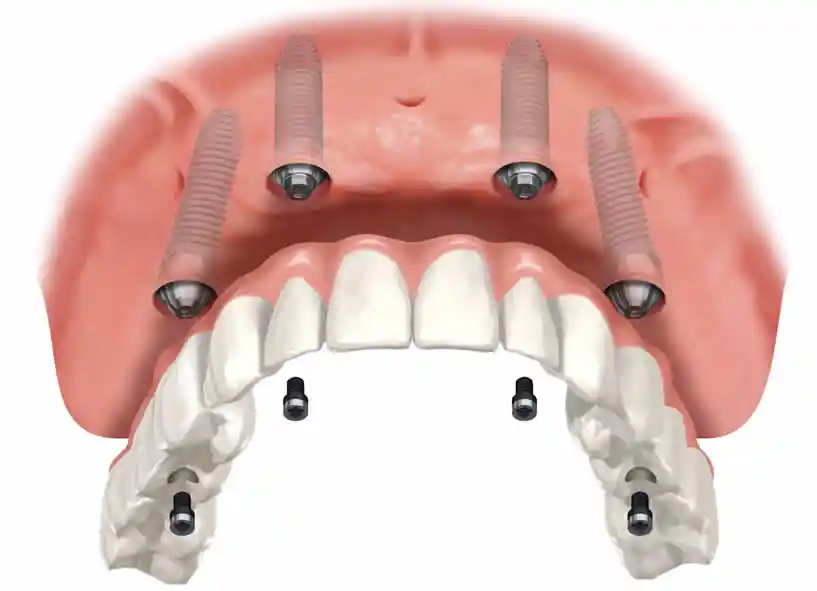
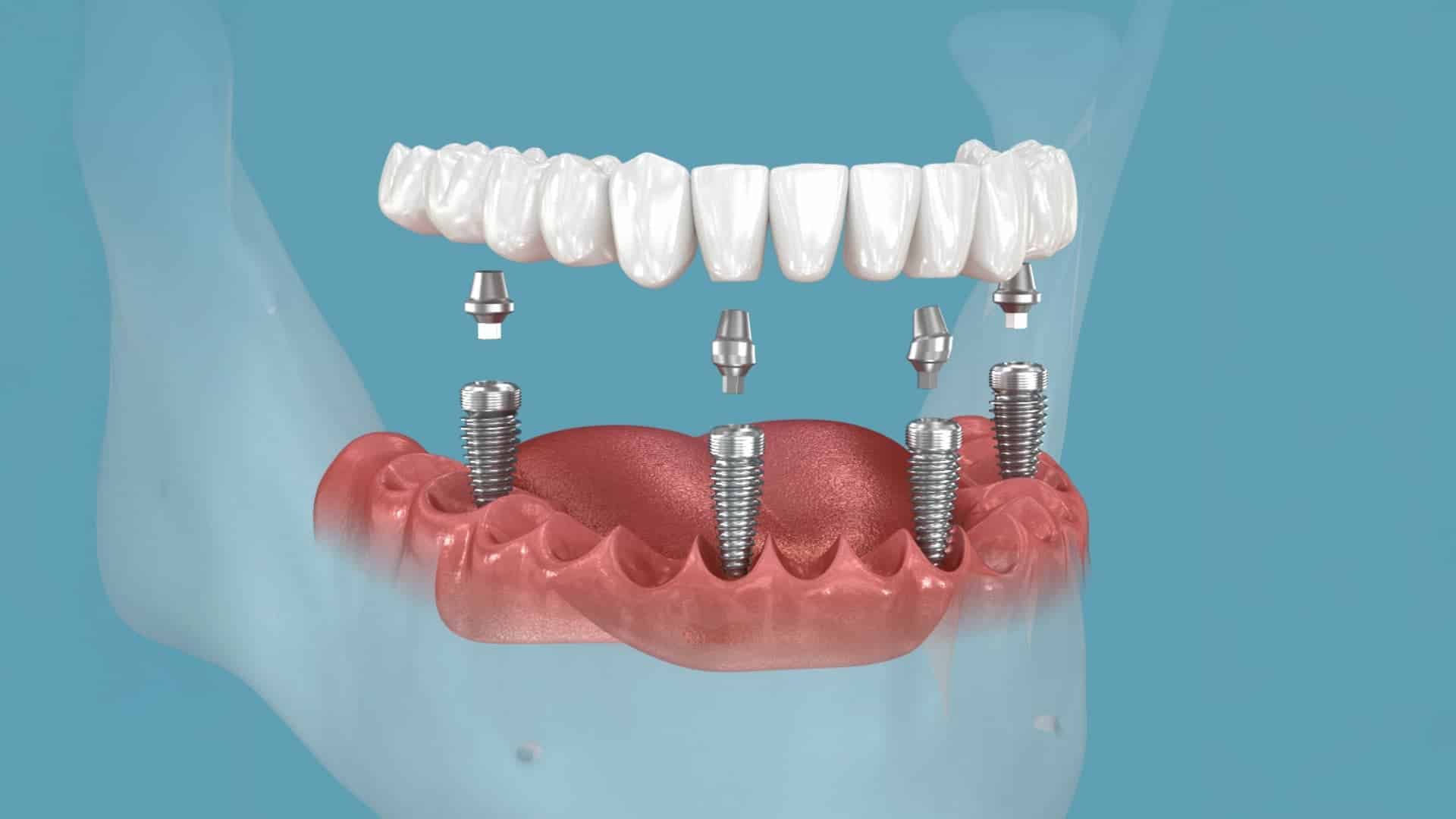
Today, short-term orthodontics for prosthetic preparation is also frequently applied to older individuals before implant placement or porcelain restorations, in order to correct tilted teeth and create adequate space for the prosthesis.
How long does the process of fitting braces take, and does it bother the patient?
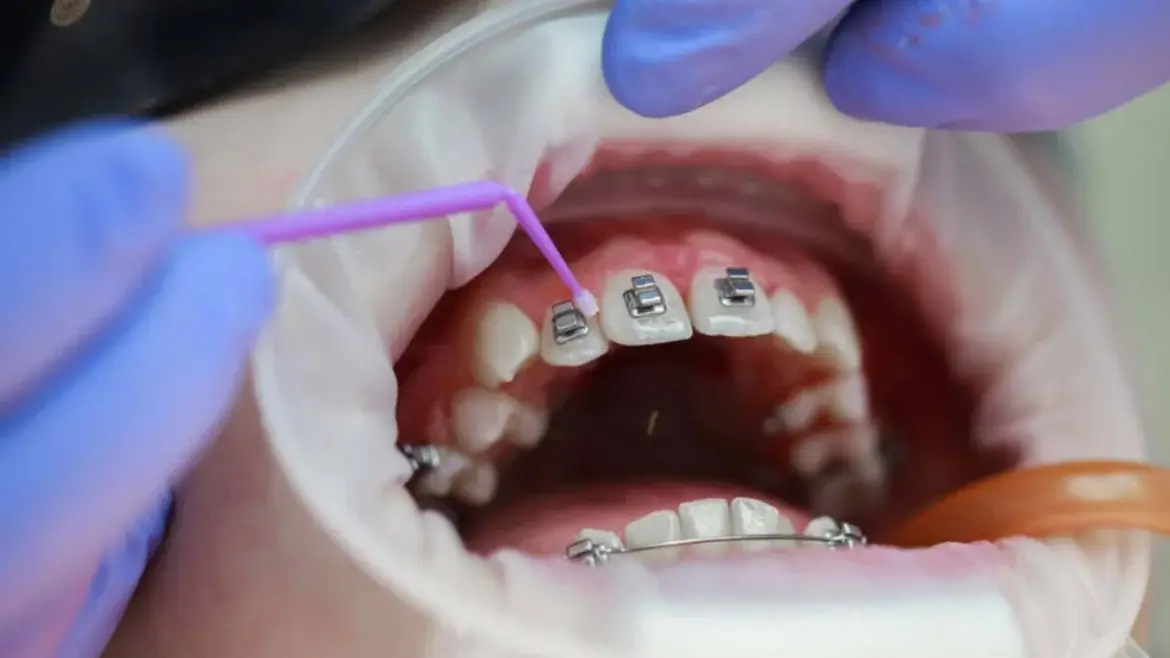
The process of fitting braces is a highly comfortable clinical procedure that takes approximately 30 to 45 minutes for a single jaw, in which the brackets are placed after acid and bonding agents are applied to the tooth, and it does not require needles (no anesthesia). The patient does not feel any ache or pain whatsoever during the procedure.
In the first few days after the braces are fitted and force begins to be applied (the adaptation process), a feeling of pressure and mild sensitivity in the teeth during chewing is completely physiological. However, this process is temporary and is managed with modern clinical approaches to keep the patient’s comfort at the highest level.