
Ankara Wireless Orthodontics: Digital Aligners and a Liberated Smile Architecture with Panorama Ankara
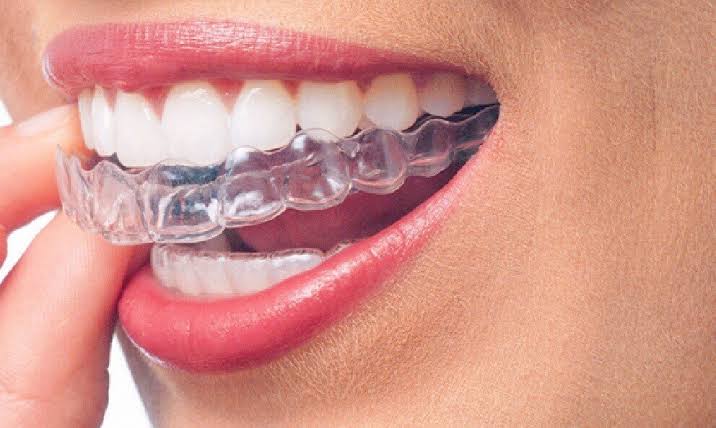
For more than a century, the foundation of orthodontic science has been the stainless-steel brackets and archwires used to move teeth within bone. Yet within today’s fast-paced, comfort-driven, and highly digitalized modern lifestyle, these systems have become a physical barrier that many patients find difficult to accept. Food getting trapped between wires while eating, painful canker sores (aphthous ulcers) caused by brackets rubbing the inner cheeks and lip mucosa, unexpected emergency clinic visits when a broken wire suddenly pokes the cheek, and months of brushing difficulties are among the major factors that push patients away from orthodontic treatment. However, with the revolution in material science in medical technology and the development of 3D printing algorithms, the absolute dependence on metal for straightening teeth has completely ended. Known in the medical literature as “Clear Aligner Therapy” and popularly as “Wireless Orthodontics,” this advanced digital concept eliminates all of these biomechanical and physical burdens created by brackets and wires. By integrating AI-assisted diagnosis and treatment protocols into wireless orthodontic applications in Ankara, Panorama Ankara frees patients from exhausting wire adjustments (activations) and offers a brand-new, comfortable, and completely liberated treatment journey with transparent, removable thermoplastic aligners that fit your teeth like a glove and feature high biocompatibility.
The treatment philosophy behind wireless orthodontic systems radically changes how force is delivered to the tooth. While traditional braces operate on the principle of the wire “pulling” the tooth via a bracket bonded onto it, clear aligner systems cover the entire outer surface of the tooth 360 degrees and apply a millimetric, programmed “pushing” force. At Panorama Ankara, the process begins not with the old-fashioned, unpleasant plaster or silicone impressions that can flow toward the throat, but with “Intraoral Digital Scanners.” These optical devices, capturing thousands of images per second, are guided through the mouth and transfer an exact 3D, high-resolution (HD) copy of the teeth and gums to the computer screen in just a few minutes as cloud-based data. This extensive digital dataset (an STL file) is uploaded into AI-supported biomechanical software (such as simulation programs like ClinCheck). On this platform, Panorama Ankara’s specialist orthodontists calculate root angulations, jawbone boundaries, and gingival limits, and then move the teeth virtually—week by week, millimetre by millimetre. Before treatment even starts, the patient can watch and approve the perfectly straight dental alignment they will achieve months later, in a 3D computer simulation. Subsequently, this sequence of virtual movements is converted into consecutive sets of clear aligners—each programmed to push a tooth approximately 0.20–0.25 millimetres—then produced in 3D printers (manufacturing laboratories).
Attachment Engineering and Interproximal Reduction (IPR) Mechanics
The way patients often perceive wireless orthodontics as a miraculous “magic mold” can overshadow the immense biomechanical engineering operating behind the scenes. Because clear aligners have a smooth and slippery surface, they may struggle physically to grip cylindrical teeth that are rotated around their own axis (for example, canines) or to pull a tooth outward from within the bone (extrusion). To prevent aligners from slipping off the tooth and to transmit force to the tooth at a full 100% efficiency, Panorama Ankara’s orthodontic specialists create miniature force points called “Attachments.”
Attachments are made from composite resin in a shade that matches the patient’s tooth color and are bonded with millimetric precision to the front surfaces of the teeth at specific angles planned by the aligner system. Designed in shapes such as droplets, rectangles, or angled forms, these transparent projections allow the aligner to lock onto the tooth tightly—like gears interlocking—so that while the aligner pushes, it can execute even the most challenging root movements flawlessly using these attachments as anchor points. In addition, when there is insufficient space in the jawbone to align the teeth properly (cases of crowding), an atraumatic procedure called “Interproximal Reduction” (IPR) can be introduced instead of extracting teeth. This involves creating millimetric space by lightly polishing (reducing) the contact surfaces between two adjacent teeth at a microscopic level (approximately 0.1 to 0.5 mm). This procedure is highly safe for enamel, painless, and dramatically reduces the likelihood of needing extractions in wireless orthodontics, enabling teeth to be aligned perfectly within their natural arch form.
Clinical Classification: The Clash Between Wireless (Aligner) Systems and Traditional Braces
The biggest dilemma for adult and adolescent patients deciding on orthodontic treatment is choosing between traditional fixed metal brackets and modern removable clear aligners. This is not merely an aesthetic decision; it is a medical crossroads that directly shapes the patient’s eating habits, travel plans, and oral hygiene routines. To help patients make the most appropriate treatment investment for their social realities and biological needs, Panorama Ankara compares these two systems with a transparent clinical analysis in the table below.
| Clinical and Social Lifestyle Dynamics | Traditional Fixed Orthodontics (Metal/Ceramic Braces) | Wireless Orthodontics (Clear Aligner Trays) |
|---|---|---|
| Diet Freedom and Eating Comfort | Because braces are fixed, hard (nuts), bite-off foods (apples, wraps), and sticky foods are strictly prohibited. | Because aligners are removed while eating, there are no food/drink restrictions—offering complete nutritional freedom. |
| Intraoral Tissue Trauma and Emergencies | Wires can poke the cheek, brackets can debond, or ulcers can form on the lips. Emergency clinic visits may be needed. | Made of smooth thermoplastic that does not scratch the mucosa or cause sores. In the medical literature, the risk of “poking/breaking” emergencies is essentially zero. |
| Mechanical Force Delivery and Pain Sensation | After monthly tightening (activation), significant aching and sensitivity can occur in the teeth for the first 3–4 days. | Aligners are typically changed weekly or every 10 days; because the force is divided into smaller doses, pain/aching is much milder. |
| Treatment Process and Patient Initiative (Compliance) | The patient cannot remove braces; they work continuously 24/7. Ideal for forgetful or less disciplined patients. | Removal is in the patient’s hands. For progress, the aligner must be worn strictly 20–22 hours per day. |
Thermoplastic Material Science: Shape Memory and Continuous Biomechanics
The trays used in wireless orthodontics are not ordinary plastic or silicone molds. They are manufactured from advanced polymeric compounds used in aerospace and medical industries (for example, specialized elastomeric materials such as SmartTrack). The true revolutionary power of these materials in orthodontics lies in their thermomechanical properties known in the medical literature as “Shape Memory.” Formed over a 3D model under high heat and vacuum in the factory, this ultra-thin tray encodes the targeted ideal tooth form (the intended alignment) into its structural memory. When the patient seats this tray over crowded teeth, the tray flexes; however, in order to return to the “straight” position stored in its memory, it begins releasing its molecular tension. This biomechanical tension, integrated with body temperature, applies an extremely gentle yet constant pushing force—second by second, day and night—onto the tooth.
Because the force is so light and continuous, it allows the fibers holding the tooth in bone (the periodontal ligaments) to stretch, and enables healthier bone resorption and rebuilding (remodeling). While high pressures applied suddenly by heavy wires can contribute to root resorption, the rational thermoplastic touch of wireless orthodontics is advanced, tissue-friendly cellular engineering that minimizes the biological side effects of orthodontic treatment.
Patient Discipline and Clinical Maintenance in Wireless Orthodontics
In exchange for the extraordinary aesthetic invisibility and dietary freedom it provides, wireless orthodontics (clear aligner) therapy places the patient’s own self-control and home discipline at the center of treatment. For the aligners to push teeth according to the planned digital simulation—and for the cellular bone remodeling cycle to proceed without interruption—Panorama Ankara’s orthodontic board recommends that patients integrate these two absolute rules into their daily routine:
- The sense of freedom that comes with being “removable” should not be abused; to prevent cellular movement from stopping and the teeth from drifting backward (relapse), aligners must be worn continuously for 20 to 22 hours per day, except while eating and drinking hot beverages.
- To prevent damage to the chemical structure and optical invisibility (transparency) of clear aligners, every time the trays are removed they should be gently cleaned under cold or lukewarm water (never boiling water) using liquid soap and a soft brush; and while the aligners are in the mouth, consumption of chromogenic (staining) drinks such as tea and coffee must be strictly avoided.
Achieve Digital Freedom and Perfect Alignment with Panorama Ankara
When choosing orthodontic treatment, you do not have to surrender to traditional wire systems that would force you to hide your lips in photos for years, constantly calculate what you can eat, and endure sores in your oral mucosa. By integrating the digital revolution and AI-supported alignment algorithms into wireless orthodontic applications in Ankara, Panorama Ankara offers a 100% liberated treatment experience free of the physical and social baggage of braces. While the smooth texture of thermoplastic trays protects your intraoral comfort, you can enjoy watching your teeth progress millimetre by millimetre—day by day—toward the perfection you saw in the virtual simulation.
You are not too late to reach that wonderful smile you postponed due to brace phobia. To create the 3D digital map of your teeth within seconds using our intraoral optical scanners, analyze extraction-free IPR (enamel polishing) mechanics, and view the AI simulation of your perfect smile months ahead—before you even begin treatment—you can schedule a detailed wireless orthodontics consultation appointment at Panorama Ankara and experience change freely, without even noticing it.