

The short answer to whether dental implants can get cavities is no: the implant screw is made from materials such as titanium or zirconia, and the crown placed on it is made from ceramic-based materials, so the bacterial decay seen in natural teeth does not develop on an implant. However, this does not mean an implant needs no care. The gum and jawbone surrounding an implant can be as sensitive to plaque buildup as the tissues around natural teeth, and in some cases even more so. That is why regular oral hygiene and dental checkups are the key factors that help an implant keep functioning for many years.
How Does Tooth Decay Develop, and Why Don’t Implants Decay?
Tooth decay develops when certain bacteria in the mouth break down sugary and starchy foods, producing acids that dissolve the tooth enamel and the dentin layer beneath it. This process takes place in living, mineral-containing tooth tissue. If the minerals lost from the enamel surface are not regained over time, a cavity forms on the tooth surface and the decay can deepen.
An implant, on the other hand, is not living tooth tissue. The implant body placed in the jawbone is usually made of titanium or titanium alloys, and in some cases zirconia. The crown attached to it is made from materials such as zirconia, porcelain or lithium disilicate. Because these materials have no enamel or dentin layer that dissolves in bacterial acids, decay in the classic sense does not develop.
That said, bacterial plaque can still build up on the implant surface and the crown. Even though it does not cause decay, this plaque can lead to inflammation in the surrounding soft tissue. Preventing this inflammation is the main goal of implant care.
Which Problems Can Occur Even Though Implants Don’t Decay?
Most care-related implant problems originate from the surrounding tissues rather than from the implant itself. Natural teeth have a connective tissue (the periodontal ligament) between the tooth and the bone, whereas implants do not. This difference can affect how inflammation progresses.
Peri-implant Mucositis
This is inflammation limited to the gum around the implant. It may show up as redness, swelling and bleeding when brushing. Bone loss has not yet begun, and it is generally considered reversible with professional cleaning and regular oral hygiene.
Peri-implantitis
This is the condition that arises when inflammation spreads from the gum to the bone supporting the implant. Because it can reduce bone support, early detection is important. Inadequate plaque control, smoking, uncontrolled diabetes and a history of gum disease are among the risk factors.
Crown and Prosthesis-Related Problems
Over time, small fractures, screw loosening or wear can occur in the implant crown. Teeth clenching, biting hard foods and skipping regular checkups can increase the likelihood of such problems. Most of these issues can be managed with simple procedures when they are noticed during checkups.
How Should You Care for a Dental Implant?
Implant care is largely similar to caring for natural teeth, but some areas need extra attention. Your dentist can give you personalized recommendations based on the position of the implant and the type of prosthesis on it. In general, the following habits are recommended:
- Brushing at least twice a day with a soft-bristled toothbrush, paying particular attention to where the implant crown meets the gum.
- Cleaning between the crown and neighboring teeth with dental floss, implant-specific spongy floss or interdental brushes.
- For fixed or hybrid prostheses, using aids such as a water flosser to clean under the prosthesis, as recommended by your dentist.
- Avoiding highly abrasive toothpastes to prevent roughening of the crown surface.
- Quitting or cutting down on smoking.
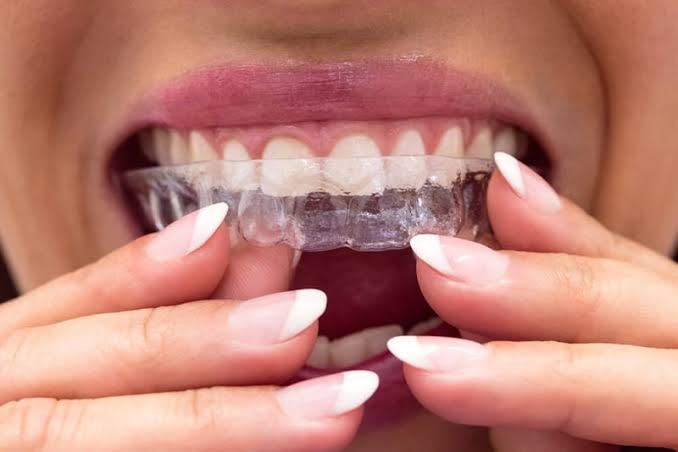
- If you clench or grind your teeth, asking your dentist about protective measures such as a night guard.
You can find detailed answers to common questions about cleaning between teeth in our article on flossing after dental implants.
Why Are Professional Checkups and Cleanings Important?
No matter how consistent your home care is, plaque that hardens over time (tartar) may not be removable with a brush and floss alone. For this reason, periodic checkups are recommended for people with implants. The checkup interval varies from person to person and is determined by your dentist based on factors such as oral hygiene, history of gum disease and the type of prosthesis.
Checkup appointments usually include the following assessments:
- Examining the color, texture and bleeding of the gum around the implant.
- When needed, measuring pocket depth and monitoring bone levels on X-rays.
- Checking the crown and prosthesis for cracks, wear or screw loosening.
- Professional cleaning with special instruments that do not damage the implant surface.
For information on regular professional cleaning and oral hygiene instruction, you can visit our oral hygiene care page.
Neighboring Natural Teeth and Overall Oral Health
Although the implant itself does not decay, the natural teeth in your mouth remain prone to decay. Food can accumulate, particularly on the surfaces where the tooth next to the implant touches the crown. If this area is not cleaned well enough, decay can develop in the neighboring tooth. In addition, gum disease bacteria from natural teeth can spread to the area around the implant.
For this reason, implant care should not be thought of as a process focused only on the implant. Protecting your overall oral health also helps protect the tissues around the implant. Eating sugary and acidic foods less often, drinking enough water and asking your dentist about the cause of any dry mouth are also part of general care.
For more on the factors that affect how long an implant lasts, see our article on factors affecting dental implant lifespan.
Which Symptoms Mean You Should See a Dentist?
Problems around an implant may not cause noticeable pain at first, so it is important to recognize certain signs. These include bleeding around the implant when brushing, redness or swelling of the gum, a bad taste or odor in the mouth, the gum receding from the implant, a feeling that the crown is loose, or tenderness when biting. If you notice any of these symptoms, consulting your dentist without waiting for your next checkup allows a possible problem to be assessed at an early stage.
Frequently Asked Questions
Can an implant crown be filled?
Because an implant crown does not decay, it never needs a filling. If a small fracture or wear occurs on the crown, your dentist can assess the situation and plan options such as a repair or replacing the crown.
Does the choice of toothpaste matter with dental implants?
Low-abrasion toothpastes are generally preferred. Since a roughened crown surface can make it easier for plaque to stick, you can ask your dentist which product to use.
Is caring for an implant harder than caring for a natural tooth?
The basic steps are similar, but the area where the implant meets the gum needs more careful attention. With the right tools and consistent habits, implant care can become part of your daily routine.
Is it normal for an implant to bleed?
Bleeding when brushing is often a sign of gum inflammation. If the bleeding keeps recurring, it is advisable to see your dentist so the tissues around the implant can be assessed.
Note: This article is for general information purposes only. Whether treatment is needed and which method is appropriate are determined individually by your dentist after an examination and any necessary tests.