

The generally accepted answer to whether dental implants can be placed during pregnancy is this: because implant surgery is a non-urgent treatment that can be planned in advance, it is usually postponed during pregnancy and left until after the birth. During breastfeeding, implant treatment can be planned after assessing the mother’s general health and whether the medications to be used are compatible with breastfeeding. Protecting oral health during this time, however, is a priority that should not be put off; examinations, gum care and any necessary urgent treatment can be carried out following a clinical assessment.
Why Is Implant Treatment Usually Postponed During Pregnancy?
Implant treatment is a multi-stage process that includes imaging for planning, a surgical procedure, local anesthesia and medication after surgery. Each of these stages needs to be considered separately during pregnancy. Because a missing tooth is not usually an urgent health problem, planning treatment for after the birth aims to remove unnecessary factors for both mother and baby.
The main reasons for postponing implant treatment during pregnancy are:
- Need for imaging: Implant planning usually requires a three-dimensional CBCT scan. Although the radiation dose of dental X-rays is low, it is preferable to postpone non-essential imaging during pregnancy.
- Medication: Antibiotics and painkillers may be needed after surgery. Some medications are not used during pregnancy or must be chosen with care.
- Stress and positioning: Lengthy surgical procedures and lying on your back for a long time can be demanding, especially in the later weeks of pregnancy.
- Gum and healing changes: Hormonal changes during pregnancy can make the gums prone to swelling and bleeding.
- Bone metabolism: The body’s calcium balance can change during pregnancy and breastfeeding; how this affects bone healing can vary from person to person.
Which Dental Treatments Can Be Done During Pregnancy?
Pregnancy is not a reason to avoid the dentist. On the contrary, monitoring oral health during this period is recommended. Urgent situations such as pain, infection or an abscess can be addressed at any stage of pregnancy following a clinical assessment. For routine treatments, the second trimester (roughly months 4 to 6) is generally considered the more suitable period.
Procedures that can be carried out during this period include examinations, scaling (tartar removal), treatment of cavities and, when needed, root canal treatment. Local anesthesia can be used when needed at an appropriate dose, in communication with the obstetrician. For gum inflammation, which is common in pregnancy, professional cleaning and oral hygiene instruction are important. For information on this topic, you can visit our oral hygiene care page.
Pregnancy Gingivitis
Changes in hormone levels can increase the gum’s response to bacterial plaque. For this reason, redness, swelling and bleeding when brushing are common in the gums during pregnancy. The aim is to keep this under control with regular oral hygiene and, if needed, professional cleaning. For information on treatments for gum health, see our periodontology page.
Can Implant Planning Begin During Pregnancy?
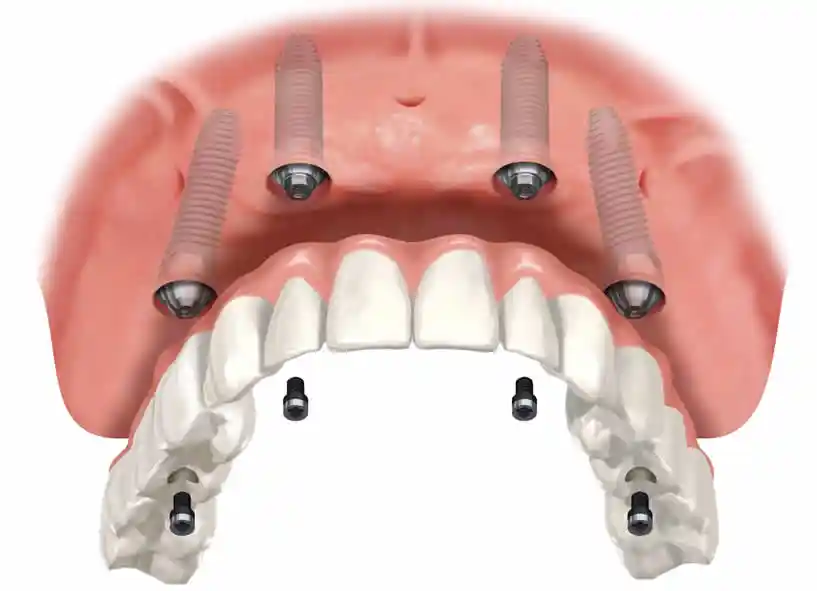
Although implant surgery is postponed, the steps to prepare for treatment can be discussed during pregnancy. At a preliminary consultation with the dentist, you can get information about missing teeth, your general oral health and possible treatment options. This allows treatment to begin in a more planned way after the birth.
Preparation steps that can be taken during pregnancy may include:
- Treating existing cavities and gum inflammation following a clinical assessment
- Strengthening oral hygiene habits
- Getting information about treatment options and the general process
- Planning the imaging and surgical stages for after the birth
To learn about the general course of implant treatment, see our article on the stages of dental implant treatment.
If a problem such as toothache or infection arises during pregnancy, delaying treatment can negatively affect the mother’s health. For this reason, it is recommended that you always tell your dentist you are pregnant and share how many weeks pregnant you are and which medications you take. When necessary, the dentist can contact your obstetrician to evaluate the treatment plan together. This collaboration helps ensure that necessary procedures are carried out with suitable timing and methods.
Dental Implant Treatment While Breastfeeding
The approach to implant treatment during breastfeeding is more flexible than during pregnancy. During this period, CBCT imaging and local anesthesia are generally considered procedures that do not interfere with breastfeeding. The main point that needs attention is the medication used after surgery.
Choice of Medication
Antibiotics and painkillers are chosen taking into account how they pass into breast milk. Some medications can be used during breastfeeding, while others may need to be avoided. When necessary, the dentist can contact the pediatrician or obstetrician to determine the medication plan.
The Mother’s General Condition
In the period after birth, disrupted sleep, tiredness and changes in diet can affect healing. When planning the timing of implant surgery, whether the mother feels ready, is able to follow the recommendations during the healing period and can attend checkup appointments are also taken into account. In some cases, waiting until breastfeeding has ended may be preferred; this decision is made jointly by the mother and the dentist.
Oral Care While Breastfeeding
It is common for mothers who are focused on caring for their baby in the first months after birth to neglect their own oral hygiene. Yet regular brushing, using floss or interdental brushes and drinking enough fluids during this period help protect gum health. Because night feeds can lead to more frequent snacking and sugary drinks, it is advisable to review these habits with the risk of decay in mind. Treating cavities and gum inflammation before implant treatment can help the post-implant period progress in a healthier way.
Advice for Those Planning a Pregnancy
People who are planning a pregnancy in the near future and need an implant can discuss the timing of treatment with their dentist in advance. Because implant placement and fusion with the bone can take several months, it is recommended that any pregnancy plans are shared before treatment begins. If pregnancy occurs after implant surgery, the plan for the next stages can be adjusted in line with the views of the dentist and the obstetrician.
Frequently Asked Questions
What happens if I become pregnant after getting an implant?
An implant in the process of fusing with the bone is generally not adversely affected by pregnancy. However, the timing of checkups and the prosthetic stage may be replanned according to your dentist’s assessment.
Can a tooth be extracted during pregnancy?
When necessary, for example because of pain or infection, a tooth can be extracted following a clinical assessment. The second trimester is generally considered the more suitable period, while the implant is planned for after the birth.
Can a CBCT scan for implants be taken while breastfeeding?
Dental CBCT is generally considered an imaging method that does not interfere with breastfeeding. Still, it is recommended that you tell your dentist and the imaging team that you are breastfeeding.
Note: This article is for general information purposes only. Whether treatment is needed and which method is appropriate are determined individually by your dentist after an examination and any necessary tests.