

The answer to whether clear aligners affect speech is this: some people who start wearing aligners notice a slight lisp or less clear pronunciation of certain sounds in the first days. This usually eases within a few days to a few weeks as the tongue adapts to the new structure in the mouth. The adjustment period varies from person to person.
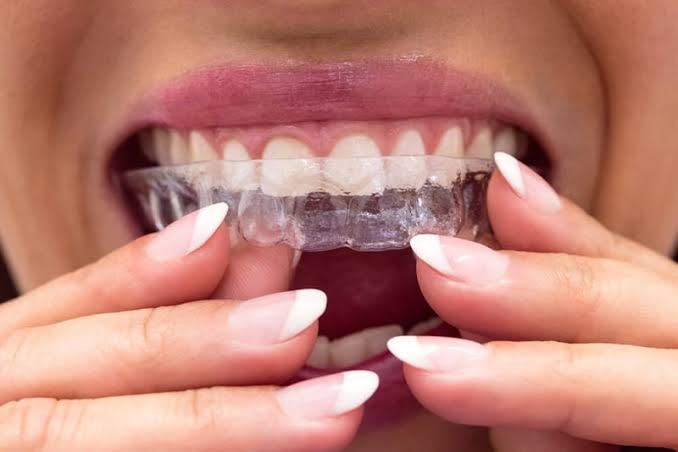
Clear aligners are made from a thin material and fit closely around the surfaces of the teeth. Even so, any new structure added to the mouth changes the space in which the tongue and lips move to some extent. In this article, we look at how aligners affect speech, the adjustment period and tips that can make this period easier.
Why Can Clear Aligners Affect Speech?
Speech depends on precise coordination between the tongue, lips, teeth and palate. When some sounds are made, the tip of the tongue sits very close to the back of the upper front teeth or the palate. When a clear aligner covers these surfaces with a thin layer, the contact points the tongue is used to change for a short time.
Over many years, our brain has learned where the tongue should touch during speech. When an aligner is put in, this habit is readjusted to the new situation. This adaptation process is the main reason for temporary changes in speech.
The Sounds Most Likely to Be Affected
During the adjustment period, sounds made with the tip of the tongue close to the teeth are the most likely to be affected:
- “S” and “z” sounds: A slight whistling or lisping quality may be heard.
- “Sh” and “ch” sounds: These sounds may come across as somewhat softened or less distinct.
- “T” and “d” sounds: They may sound different because of the change in how the tip of the tongue touches the palate.
These changes are often more noticeable to the person wearing the aligners than to those around them. Because we also hear our own voice through the bones of the skull, small differences can seem more striking to ourselves.
How Long Does the Adjustment Period Last?
Most people notice a clear improvement in their speech within a few days, provided they wear their aligners consistently. For some people, this can take a few weeks. The main factors that can affect the adjustment period are:
- How many hours a day the aligners are worn
- How much the person talks during the day
- Whether attachments have been bonded to the teeth
- The edge design of the aligner and the alignment of the teeth
- The person’s general ability to adapt to changes in the mouth
Taking the aligners out and putting them back in frequently can make it harder for the tongue to adapt. For this reason, keeping to the recommended daily wear time is important both for treatment progress and for the adjustment period. You can find information on daily wear time in our article on how many hours a day clear aligners should be worn.
Speech When Switching to a New Aligner
During treatment, you may feel slight tightness in the first hours after switching to each new aligner, but the effect on speech is usually not as noticeable as with the first aligner. Once the tongue has adapted to the aligner structure, it can get used to later changes more easily.
How Aligner Design Affects Speech
Clear aligners are designed to cover only the crowns of the teeth and the area near the gum line; they do not cover the whole palate. Compared with some removable appliances that cover the palate, this can mean the tongue’s range of movement is less affected. Even so, where the aligner edges end at the gum line, the thickness of the aligner and the alignment of the teeth can affect how much temporary change there is in speech.
If new attachments are added at later stages of treatment or you move on to refinement aligners, the tongue may need to adapt again. Such brief adjustment periods are usually more limited than the initial one.
Tips That Can Make Adjusting Easier
There are some simple methods you can use to adapt to temporary changes in your speech:
- Read aloud: Reading a book, newspaper or any text aloud can help the tongue get used to its new contact points.
- Repeat words you find difficult: You can repeat words with many “s” and “sh” sounds slowly and clearly.
- Speak slowly: Speaking a little more slowly in the first days can help sounds come out more clearly.
- Keep your aligners in: You may feel like taking your aligners out to speak, but consistent wear helps shorten the adjustment period.
- Keep your mouth moist: A dry mouth may be felt at the start of aligner wear. Drinking water regularly during the day can make speaking easier.
If you have an important presentation, meeting or event that involves speaking coming up, you can discuss the timing of the start of treatment with your orthodontist.
Increased Saliva and Other Signs of Adjustment
In the first days, in addition to changes in speech, you may notice an increase in saliva. Because the mouth perceives the new structure as a foreign object, saliva production may increase temporarily. This can also affect speech for a short time. It usually settles within a few days.
With increased saliva, some people may feel the need to swallow more often while speaking. Swallowing before you start speaking and pausing briefly between sentences can help reduce this feeling. Some people, on the other hand, may experience a dry mouth. In both cases, drinking enough water during the day can have a positive effect on how the aligners fit and on the flow of speech. It is also worth remembering that nothing other than plain water should be drunk while the aligners are in.
You may also notice slight pressure on the teeth or the aligner edges touching the tongue or cheek. If an aligner edge causes constant irritation, your orthodontist can adjust the edges. For general information about the treatment, see our clear aligner treatment page.
When Should You See Your Orthodontist?
Changes in speech are usually temporary. However, your orthodontist may need to assess the situation in the following cases:
- No noticeable improvement in speech after several weeks
- The aligner not fitting the teeth fully or moving out of place
- The aligner edges causing sores on the tongue, lips or cheeks
- A crack or break noticed in the aligner
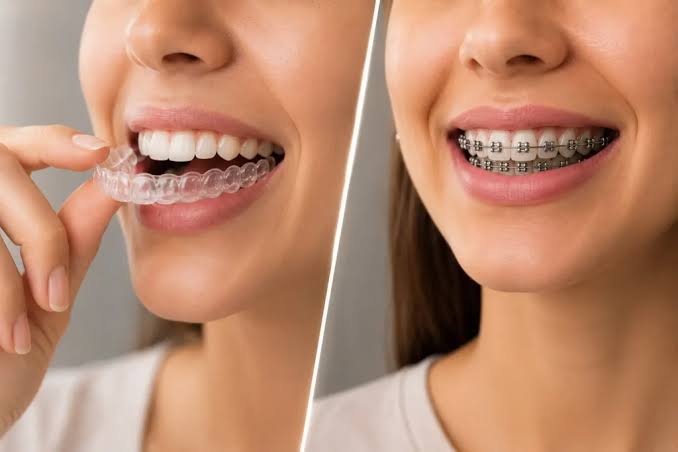
This assessment also considers whether the speech difficulty may be due to causes other than the aligner. If you are curious about the differences between clear aligners and braces, you can read our article on clear aligners or braces.
Frequently Asked Questions
Does a lisp from clear aligners last a long time?
A lisp is usually temporary and eases as the tongue adapts to the aligner. Most people notice a clear improvement within a few days to a few weeks. If it lasts longer, an assessment by your orthodontist is recommended.
Can I take my aligners out to speak?
Aligners should only be taken out for eating, drinking and cleaning. Taking them out to speak reduces daily wear time and can also lengthen the adjustment period.
Do attachments affect speech?
Because attachments sit under the aligner, their effect on speech is usually limited. When the aligners are out, they may cause slight rubbing on the inside of the lips; this feeling also usually eases within a short time.
Note: This article is for general information purposes only. Whether treatment is needed and which method is appropriate are determined individually by your dentist after an examination and any necessary tests.