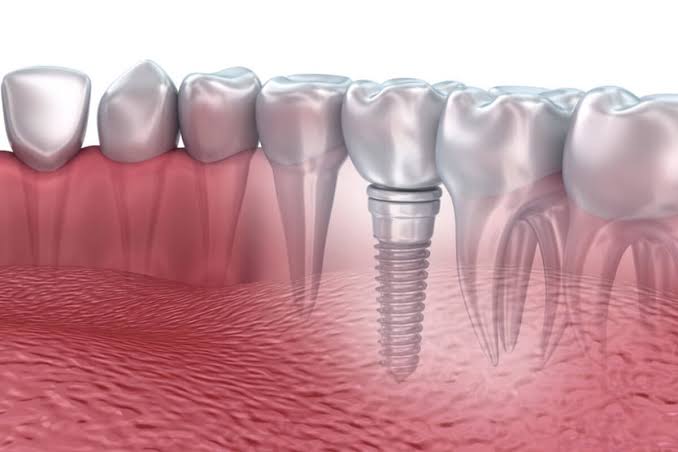


A dental implant check-up is an examination, at set intervals after treatment is completed, of the implant, the surrounding gum and bone, and the prosthesis attached to it. These visits usually assess gum health, bone level, the stability of the prosthesis and the balance of your bite, with professional cleaning carried out when needed. The aim is to spot possible problems early and help the implant function in a healthy way for many years.
Many patients think treatment is completely over once the implant is placed and the prosthesis is fitted. In fact, an implant is a structure that needs care and follow-up, just like natural teeth. In this article, we look at what is done at check-up appointments and what patients should pay attention to during this period.
Why Are Dental Implant Check-Ups Important?
The implant itself cannot decay, but the gum and bone around it can be affected by bacterial plaque. Inflammation in the tissues around an implant may not cause any noticeable symptoms at first. That is why regular examinations matter even when the patient feels no problem.
There are two main conditions that can develop around an implant:
- Peri-implant mucositis: Inflammation limited to the gum around the implant. Bleeding, redness and mild swelling may occur. When it is detected early, the aim is to reverse it with appropriate cleaning and care.
- Peri-implantitis: A condition in which inflammation spreads to the bone around the implant and leads to bone loss. Its treatment can be more extensive and it can affect how long the implant lasts.
Regular check-ups help detect these conditions at an early stage. For other factors that affect how long implants last, you can also read our article on what determines the lifespan of dental implants.
What Happens at a Check-Up Appointment?
The content of a check-up may vary depending on the position of the implant, the type of prosthesis and the patient’s overall oral health. In general, the following steps are followed:
Examination of the Gums and Soft Tissue
The dentist examines the colour, texture and bleeding of the gum around the implant. If needed, the pocket depth around the implant is measured with a fine probe. These measurements are compared at the next visit to track any change.
Assessment of Bone Level
The bone level around the implant is monitored with X-rays taken at intervals the dentist considers necessary. Comparing them with previous images shows whether there has been any bone loss. How often X-rays are taken is decided individually.
Checking the Prosthesis and Connecting Parts
The stability of the crown, bridge or removable denture on the implant is examined. For screw-retained prostheses, the dentist checks whether the screw has loosened; for cemented prostheses, the fit at the margins and any leftover cement are checked. Each type of prosthesis has its own checkpoints, and these are reviewed separately during the examination. For removable dentures, wear on the retaining parts is also assessed and they are renewed if necessary.
Bite and Chewing Balance
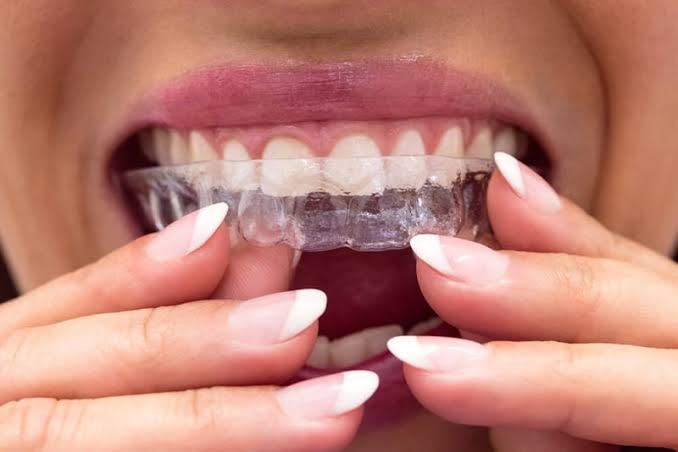
The dentist checks whether the prosthesis on the implant takes excessive load when you bite. Over time, small movements or wear in the natural teeth can change how load is distributed on the implant. If necessary, small adjustments are made to the contact points of the prosthesis. For patients who clench or grind their teeth at night (bruxism), protective measures such as a night guard may be considered.
Professional Cleaning
Plaque and tartar that build up around the implant are removed with suitable instruments that do not damage the implant surface. This cleaning also reaches areas that are difficult to clean at home. For information on comprehensive oral care, see our oral hygiene care page.
How Often Should Dental Implants Be Checked?
Check-up frequency is not the same for everyone. In the first period after the prosthesis is fitted, visits are usually scheduled more often. Once the situation is stable, one or two check-ups a year are recommended for most patients.
Your dentist may schedule check-ups more often in the following situations:
- A history of gum disease (periodontitis)
- Smoking
- Systemic conditions that can affect healing, such as diabetes
- Teeth clenching or grinding
- Multiple implants or a full-arch implant-supported prosthesis
- Insufficient oral care at home
The check-up interval can be updated according to the findings at each examination. What matters is sticking to the agreed schedule and not postponing appointments.
Which Symptoms Matter Between Check-Ups?
There are some situations in which you should see your dentist without waiting for the scheduled check-up. These may indicate a problem around the implant:
- Bleeding around the implant when brushing
- Swelling, redness or discharge in the gum
- A bad taste in the mouth or bad breath that does not go away
- Movement, loosening or breakage of the prosthesis
- Pain or discomfort when chewing
- Gum recession with the implant surface becoming visible
These symptoms do not always point to a serious problem, but an examination is needed to find the cause.
Why Home Care and Check-Ups Go Together
However regular your check-ups are, they cannot replace daily care. The area around the implant should be brushed at least twice a day, and the spaces between teeth should be cleaned with tools such as dental floss, interdental brushes or a water flosser. Your dentist will recommend the right tool depending on the type of prosthesis. Our article on using dental floss after implants may also be a helpful guide for cleaning between implants.
At check-up appointments, you may be shown areas you are missing in your care routine and given practical technique tips. When home care and professional follow-up are carried out together, it becomes easier to keep the tissues around the implant healthy.
For patients with a full-arch fixed prosthesis on implants, cleaning the surfaces under the prosthesis that face the gum is especially important. Special-tipped floss or a water flosser may be recommended to reach these areas. At some check-ups, the prosthesis may be removed so that both the prosthesis and the area around the implants can be cleaned in detail. With removable implant-supported dentures, the denture should be taken out and cleaned every day, and the retaining parts and the area around the implant abutments should also be brushed. How to use each tool can be demonstrated in practice at check-up appointments.
Frequently Asked Questions
Do I need an implant check-up if I have no complaints?
Yes, regular check-ups are recommended even without complaints. Inflammation around an implant may not cause symptoms at first. Problems detected early can usually be managed with more limited treatment.
Is an X-ray taken at every implant check-up?
An X-ray may not be needed at every visit. How often X-rays are taken is decided by the dentist based on how long the implant has been in place, previous findings and the patient’s risk profile.
How long does an implant check-up take?
The length of a check-up depends on the procedures involved. If only an examination is needed, it may be short; visits that include professional cleaning or removal of the prosthesis can take longer.
What happens if a loose screw is noticed on a screw-retained prosthesis?
If the prosthesis feels loose, you should see your dentist. A loose screw can usually be detected and tightened during a check-up, but the reason for the loosening is also investigated. Factors such as bite balance are adjusted if necessary.
Note: This article is for general information purposes only. Whether treatment is needed and which method is appropriate are determined individually by your dentist after an examination and any necessary tests.