

What Is Orthodontics? Which Dental and Jaw Problems Can It Address?
Orthodontics is the dental discipline that examines the arrangement of teeth on the jawbone, the relationship between the upper and lower jaws, and the overall proportion of the face. Crowding in the mouth structure, gaps between teeth, or differences in jaw closure are the subject matter of this field. Guiding the teeth to their ideal positions is aimed not only for an expected aesthetic appearance but also so that basic functions such as chewing, speaking, and breathing can continue in their normal course. Following orthodontic assessments, the process is begun by making plans suited to the person’s mouth and dental structure.
Planned pressure is applied to the teeth using various appliances, wires, or clear aligners, and over time, with the remodeling that occurs in bone tissue, the teeth adapt to their new positions. In cases where the jaw structure is set back or forward, guidance-based applications can be supported during the growth and development period. For managing skeletal differences at later ages, jaw surgery (orthognathic surgery) specialists can also be included in the orthodontic process. This process, which has become a natural part of daily life, is shaped in light of person-specific analyses. Approached with an informative perspective, orthodontics makes an important contribution to the sustainability of oral health.
How Does the Orthodontic Assessment Process Proceed and What Steps Does It Include?
The orthodontic assessment process begins with a detailed analysis of the individual’s mouth and jaw structure, and a personalized roadmap is drawn up in light of the data obtained. In the first step, the physician performs a clinical examination, examining the alignment of the teeth, the jaw relationship, and facial symmetry. At this stage, radiographic images (panoramic and cephalometric X-rays) and digital or physical measurements obtained with intraoral scanners play a major role. Photographic records are taken so the face can be analyzed from the front and in profile. All these findings are brought together to determine the requirements of the person’s current dental and jaw structure. When consulting physicians serving at healthcare institutions, for example those working at Panorama Ankara, the details of the situation are conveyed to the patient in transparent language, and different alternatives are put on the table for the process.
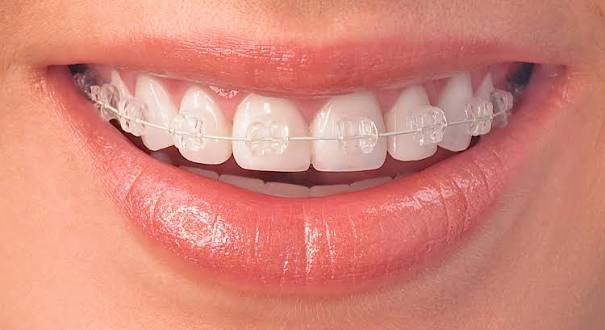
As a result of the assessment, a method suited to the person’s lifestyle, dental structure, and expectations is chosen among options such as clear aligners, metal brackets, porcelain brackets, or removable appliances. An application timeline is created, and check-up sessions to be held at certain intervals are planned. During check-up sessions, the movement status of the teeth is monitored, and the forces applied are updated by the physician. Once the period during which the wires or aligners are active is completed, a transition is made to the retention stage in order to preserve the alignment achieved. This stage is followed with great care in order to manage the teeth’s tendency to return to their former positions.
What Are the Basic Recording Methods Used in the Orthodontic Assessment Stage?
In order for the orthodontic process to be planned correctly, physicians need certain basic diagnostic tools and records. This data allows a personalized profile to be created.
- Radiographic Examinations: With a panoramic X-ray, the root structures of all teeth, any impacted teeth, and the general condition of the jawbones are observed. A cephalometric X-ray, on the other hand, allows the position of the upper and lower jaw relative to the base of the skull to be assessed to the millimeter.
- Intraoral and Extraoral Photographs: Photographs of the patient are taken from the front and in profile. The smile line, lip closure, and the visibility ratios of the teeth are examined through these photographs.
- Digital or Physical Models: Three-dimensional digital copies of the teeth are created using intraoral scanners, or plaster models are obtained using special impression materials. These models are used to examine the bite relationship of the teeth from every angle.
Which Dental and Jaw Problems Are the Subject of Orthodontics?
The subject matter of orthodontics covers a broad range, starting from alignment disorders in the upper and lower dental arches to incompatibilities between the jawbones. These problems are structural conditions that can pave the way for functional chewing difficulties, joint problems, and cavity formation due to teeth becoming harder to clean. Conditions such as crowding (teeth overlapping), diastema (gaps between teeth), overjet (upper teeth being too far forward), overbite (upper teeth excessively covering the lower teeth), underbite (the lower jaw being forward), crossbite, and openbite are the main subjects requiring orthodontic assessment. In addition, impacted teeth that cannot erupt due to lack of space in the jaw, or teeth that have passed their normal eruption time, are also focal points of this discipline.
These structural differences can arise from various causes, such as genetic factors, prolonged thumb-sucking or pacifier use, early loss of baby teeth, or airway problems. The type and severity of the problem directly determines the process to be followed. For jaw closure disorders that are purely skeletal in scale, appliances that guide the jawbones, or in adults, surgery-supported planning, can be considered beyond simple tooth movement. Orthodontics aims to bring function and aesthetics into balance by analyzing all these variations.
Classification of Orthodontic Problems
| Problem Type | Definition and Symptoms | Possible Effects |
|---|---|---|
| Crowding | The condition in which there is not enough space on the jaw arch for the teeth to line up properly. Teeth rotate, overlap, or erupt toward the outside/inside of the arch. | Brushing becomes harder, plaque buildup increases, gum problems and cavity risk can rise. |
| Diastema (Gapped Alignment) | Natural gaps between teeth that form when the jaw arch is larger than the size of the teeth, or due to missing teeth. | Food buildup can occur; pronunciation of some sounds can be affected while speaking. |
| Crossbite | The condition in which the upper teeth close toward the inside of the lower teeth. Can be seen unilaterally or bilaterally in the front or back regions. | Asymmetric jaw development, joint discomfort, and wear on teeth can be observed. |
| Openbite | The condition in which the back teeth are in contact but the front teeth do not touch each other, leaving a vertical gap. | The biting-off function cannot be performed with the front teeth; swallowing and speech differences can arise. |
| Overbite | The condition in which the upper front teeth vertically cover the lower front teeth more than they should. Sometimes the lower teeth can touch the palate. | Wear on the lower teeth, irritation in the palate area, and jaw joint problems can occur. |
| Underbite | The condition in which the lower jaw and lower teeth are positioned more forward compared to the upper jaw. Also called Class 3 malocclusion. | Chewing difficulty, asymmetry in facial profile, and increased load on the joint occur. |
How Is Crowding of the Teeth Addressed?
Crowding is one of the most commonly encountered structural conditions among individuals who visit orthodontic clinics, and it develops as a result of there not being enough space on the jawbone for the teeth to fit. In addressing this condition, the physician’s priority goal is to provide the necessary space on the jaw arch. If the lack of space is mild or moderate, space can be created by making millimeter-level reductions on the interfaces of the teeth using the method called enamel reduction (interproximal reduction). Jaw-expansion appliances also help create space for the teeth, particularly in individuals still in the growth period, by widening a narrow jaw arch. Once sufficient space is provided, the teeth are placed within their own arch through the force applied by wires or aligners.
In severe cases of lack of space, jaw expansion or reduction alone may not be sufficient. In such cases, extraction of one or a few of the small premolar teeth may generally be planned so that the other teeth can reach their ideal positions. The extraction gaps are closed by shifting the remaining teeth with the help of wires or aligners, and once the process is complete, no feeling of a gap remains in the mouth. Managing crowding not only achieves proper alignment; it also directly contributes to ensuring oral hygiene by eliminating blind spots the brush cannot reach.
What Are Jaw Closure Disorders (Malocclusion) and How Are They Managed?
Malocclusion is the condition in which the upper and lower teeth do not come into contact with each other in an ideal manner, whether at rest or during chewing. When classifying closure disorders, the relationship between the upper and lower first molars is used as the basis. In Class 1 closure, the relationship between the jaws is normal, but there are alignment issues in the teeth. In Class 2 closure, the upper jaw or upper teeth are noticeably forward compared to the lower jaw (overjet). In Class 3 closure, on the other hand, the lower jaw is positioned forward (underbite). The management of these conditions varies greatly depending on the individual’s age group. In individuals still in the growth period, since the growth of the jawbones is not yet complete, growth can be guided through methods called functional jaw orthopedics. Extraoral or intraoral appliances that bring the lower jaw forward or slow down upper-jaw development are used.
In adult individuals who have completed their growth and development process, intervening in the size and position of the jawbones only with dental wires or aligners is limited. Severe skeletal incompatibilities seen in adults are addressed with a multidisciplinary approach, in which jaw surgery (orthognathic surgery) is applied alongside the orthodontic process. The patient’s teeth are brought into suitable positions before surgery, and then the jaws are placed into their ideal positions by the surgeon. In non-severe camouflage cases, the angles of the teeth are changed in an attempt to achieve balance in appearance and closure.
By Which Methods Are Gaps Between Teeth (Diastema) Closed?
Gaps between teeth are called diastema in medical language, and while they generally become noticeable between the two front teeth, they can also spread across the entire jaw arch. This condition arises in scenarios where the jawbone is wide, tooth sizes are smaller than normal, or teeth are missing. In addition, the lip attachment (frenulum), a soft tissue, being thicker than normal and extending between the front teeth also paves the way for gap formation. Orthodontic approaches focus on closing these gaps by bringing the teeth closer together. Using brackets and elastic chains, the teeth are moved in a parallel manner along with their roots.
If the cause of the diastema is a thick lip attachment, a small soft-tissue intervention (frenectomy) may be planned before or after the orthodontic process. If the anatomical size of the teeth is very small, simply closing the gaps with wires may not provide sufficient aesthetic and functional contact. In such cases, the teeth are distributed to appropriate orthodontic positions, and the remaining gaps are supported with aesthetic fillings (composite bonding) or porcelain veneer (laminate) applications to complete the process.
How Are Impacted Teeth Included in the Orthodontic Process?
Teeth that remain under the jawbone or gum despite having passed the time they should have taken their place in the mouth are called impacted teeth. Aside from wisdom teeth, the most frequently impacted teeth are the upper canines. Since canine teeth carry great importance for facial aesthetics and the biting-off function, physicians aim to bring these teeth into the oral environment. The position of the impacted tooth is examined in detail using panoramic and 3D X-rays (tomography). After the tooth’s angle, its distance to neighboring roots, and its eruption path are assessed, joint surgical-orthodontic planning is done to bring the tooth into place.
The process generally begins by correcting the other teeth in the jaw in order to create space for the impacted tooth. Once sufficient space is opened, a specialist physician opens a small window, lifts the tissue over the impacted tooth, and attaches a button (attachment) to the tooth’s surface. Thin wires or elastics connected to this button apply a light, continuous force to the tooth. Following months of follow-up, the tooth is slowly drawn from within the bone toward its normal position on the jaw arch. This application is a detailed process that allows the person’s own natural tooth to be retained in the mouth.
Who Is Orthodontics Suitable For, and Is There an Age Limit?
Orthodontics, once perceived in past years as an approach exclusive to individuals in adolescence, can today be considered for individuals of every age group, thanks to advancing technology and materials. As long as the bone tissue surrounding the teeth (alveolar bone) is healthy, tooth movement can be achieved from a person’s twenties into later ages. In adult individuals, orthodontic applications are commonly preferred for crowding, gaps, shifts that developed later in life, or in preparation for prosthetic procedures (implants, bridges). There is no age limit, but the biological response time of tissues can work somewhat more slowly in adults compared to younger people.
The situation is somewhat different in children. Health authorities recommend that children’s first orthodontic examination be done around ages 7–8. At these ages, as baby teeth fall out and permanent teeth begin to erupt, a possible jaw narrowness, asymmetry, or closure problem can be detected at an early stage. These early-stage applications, called “interceptive and preventive orthodontics,” aim to slow or guide the progression of the problem. In summary, anyone whose dental and gum health is in good condition can benefit from this process according to functional and structural needs.
What Are the Main Differences Between Clear Aligner and Wire Options?
Tools used to transmit force to the teeth in orthodontic applications are basically divided into two groups: fixed orthodontic appliances (metal or porcelain wires) and removable clear aligners. Both approaches have their own distinct dynamics and manners of application. In the traditional method, in which brackets and wires are used, appliances are fixed to the tooth surface with special adhesives. The patient goes through the process with these fixed structures. With advancing technology, aesthetic brackets manufactured from porcelain and sapphire materials have created an alternative to the metal look. Clear aligners, on the other hand, are thin, transparent materials produced through computer-aided 3D modeling based on digital scans taken from the mouth, which the patient can put in and take out themselves.
Which method the individual will proceed with is decided by evaluating variables such as the clinical examination, the type of problem, and the patient’s lifestyle together. Adults who do not prefer the appearance of dental wires in their daily social and professional life can lean toward clear aligners. However, for clear aligners to fulfill their function, they must be worn regularly in the mouth for about 20–22 hours a day; at this point, patient compliance directly affects the progress of the process.
Comparison of Clear Aligners and Dental Wires
| Feature | Fixed Dental Wires (Brackets) | Clear Aligners |
|---|---|---|
| Visibility | Metal brackets are noticeable; porcelain ones match tooth color but the wire can still be noticed. | Very difficult to notice from the outside; suitable for those with high aesthetic expectations. |
| Removability | Fixed; remains on the tooth surface until the process ends. | Removable; taken out while eating, drinking anything (other than water), and brushing teeth. |
| Usage Discipline | Since it is fixed, it is not up to the patient’s initiative; force is continuously active. | Wearing it for about 22 hours a day for it to have effect is the patient’s responsibility. |
| Oral Care and Hygiene | Requires detailed cleaning with special interdental brushes, since food can get caught between the wires and brackets. | Since the aligners are removed, the normal brushing and flossing routine can easily be maintained. |
| Dietary Restrictions | Acidic drinks, sticky foods (gum, caramel), and hard foods (nuts) should be avoided so brackets do not come loose. | Since aligners are removed while eating, there is broad freedom in terms of food and drink consumption. |
How Should Oral and Dental Care Be Done During the Orthodontic Process?
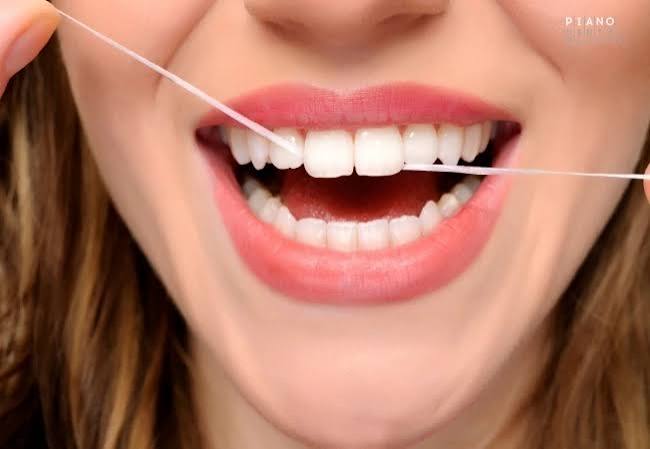
Protecting oral and dental health during orthodontic applications is a matter requiring care so that the process can proceed as planned. In cases where fixed wires are used, the brackets and wires create extra surfaces where food debris can cling. Dental plaque accumulating in areas that are not brushed can, over time, pave the way for white spots (decalcification) on the enamel surface and cavities. In addition, conditions such as gum swelling and bleeding can be observed. For this reason, in addition to morning and evening routines, brushing teeth after main meals is recommended by specialists. Along with brushing, orthodontic brushes that can reach around the brackets and special dental floss that can get under the wire should be integrated into the care routine.
In the case of clear aligners, since they are removed while eating, no food restriction is experienced, and the classic tooth-brushing routine is maintained. However, cleaning the aligners is also quite important. Teeth must absolutely be brushed before the aligners are put into the mouth; otherwise, acid and food residue on the tooth surface can become trapped between the aligner and the tooth, speeding up cavity formation. Using liquid soap and a soft brush to clean the aligners prevents scratching of the aligner surface and helps it retain its clarity. Not neglecting general dentist check-ups and professional tartar cleaning throughout the entire process supports the health of the oral tissues.
Frequently Asked Questions
1. How long does the orthodontic process take on average?
It varies depending on the person’s existing jaw and tooth problem, age group, and the biomechanical system to be applied. In general terms, structural changes can start at a few months, while detailed closure and alignment applications can take a few years. The timeline of the process is shaped by the physician’s planning.
2. Is orthodontics done only for aesthetic purposes?
Although aesthetic appearance is often the main expectation, one of the fundamental focuses of orthodontics is regulating oral functions. It is aimed to contribute to the sustainability of general oral health by making chewing, breathing, and tooth brushing correct and easier.
3. Is pain felt while the dental wires are being placed?
Since the stage of bonding brackets to the teeth or placing the wires does not directly involve a physical intervention to the tooth, this process is comfortable. However, since pressure is applied to the teeth once the wires become active, sensitivity and a feeling of pressure while chewing in the first days is considered normal.
4. Are clear aligners suitable for every type of crowding?
Thanks to advances in digital dentistry, clear aligners can today be considered for managing many crowding and closure situations. In cases involving severe skeletal incompatibilities or requiring specific tooth movements, combined applications (a combination of wires and aligners) can be planned.
5. How often are check-ups done throughout the process?
In fixed bracket systems, the physician generally schedules check-up sessions at intervals of 4 to 6 weeks in order to monitor the activation of the wires and the teeth’s response. In clear aligner use, since aligner changes are done by the patient, clinical check-up intervals can be planned between 6 and 8 weeks.
6. What should be done if a bracket comes loose or a wire pokes?
A bracket can come loose from where it was bonded due to consuming hard food, or the end of a wire can lengthen and touch the cheek. In such situations, it is necessary to contact the physician without intervening yourself and make an appointment. Orthodontic wax (protective wax) can be used to protect the area of contact.
7. Can sports activities be done while wearing wires?
There is no obstacle to doing sports. However, individuals involved in contact sports where the face could take an impact, such as martial arts, basketball, or football, are advised to use custom-made protective mouthguards to protect the oral tissues and the wires.
8. Do the teeth shift back out of place once the process is completed?
Teeth have a tendency to move back toward their former positions until permanent bone support forms in their new positions. To prevent this, a transition is made to the retention stage once the active process ends. Preserving the achieved result is aimed with thin wires bonded on the inside (retainers) and/or clear aligners.
9. Should one wait for a certain age for orthodontic assessments?
There is no age restriction for adults. In children, it is recommended that a specialist opinion be obtained around ages 7–8, before the baby teeth have fully fallen out. This provides the chance to intervene at an early stage in any differences that arise in jaw development.
10. Do wires or aligners negatively affect speech?
The process of getting used to a foreign object placed in the mouth can take a few days. During this adaptation stage, since the tongue comes into contact with the wire or aligners, slight differences may be felt in the pronunciation of some sounds. After the adaptation period passes, speech returns to its routine.
11. Can dental wires be used during pregnancy?
There is generally no biological obstacle to continuing orthodontic applications during pregnancy. However, conditions that can develop due to pregnancy, such as gum sensitivity, nausea, and the inability to take X-rays, are assessed between the physician and the expectant mother, and the process is managed accordingly.
12. Is tooth extraction a normal part of the process?
In severe crowding cases where there is not enough space in the jaws for the teeth to fit, extraction of small premolar teeth or impacted wisdom teeth may be planned in order to create space in the dental arch. The decisions made are shaped based on X-ray and model analyses.
13. Can an electric toothbrush be used while wearing wires?
Electric and rechargeable toothbrushes can be comfortably used on wires as long as appropriate heads are used and correct technique is applied. Orthodontic heads or round heads with soft bristles support the cleaning of both the teeth and the area around the brackets.
14. What kind of support can be received at institutions such as Panorama Ankara?
Detailed information about process planning can be obtained from specialists working at well-equipped institutions such as Panorama Ankara, in line with regional needs. Scans, examinations, and personalized X-ray analyses are shared with patients at such centers.
15. What is orthognathic surgery and when is it included?
Jaw surgery is turned to in adult cases where there are developmental size differences not only in the teeth but in the positions of the upper and lower jawbones (forward, set back, or asymmetric), and where growth guidance can no longer be applied due to age. In this process, orthodontics prepares the teeth, while surgery places the jawbones into their appropriate position.