

What Is Orthodontics? Which Dental and Jaw Problems Does It Treat?
Orthodontics is the branch of dentistry that studies the alignment of teeth on the jawbones and the relationship between the upper and lower jaws, focusing on diagnosing and correcting discrepancies in these structures. Structural differences in the mouth, teeth, and jaw region directly affect a person’s chewing function, speech articulation, and overall bite dynamics. Orthodontic processes aim to bring these structural differences into a form suited to the patient’s individual anatomy. Aiming to ensure both aesthetic and functional integrity, this process also makes it easier for individuals to maintain oral hygiene. Shaped according to the patient’s age, jaw structure, and current tooth position, orthodontics refers to a long-term process planned specifically for each individual.
What Exactly Does Orthodontics Mean?
The word orthodontics is derived from terms meaning “straight tooth,” and it refers to the dental specialty aimed at bringing teeth and jawbones into their ideal positions. It is not limited to the arrangement of teeth alone; the balance of facial profile and the harmonious functioning of the jaw joints are also among the field’s core concerns. Orthodontic processes involve a detailed analysis of bite problems or positional differences in the teeth that may develop over time. Based on these analyses, appliances suited to the patient’s oral structure are selected, and specific directional forces are applied to the teeth and jaw. Orthodontics focuses on achieving a functional alignment while preserving the natural form of the individual’s own dental structure.
What Is the Main Goal of Orthodontic Treatment?
The main goal of orthodontic treatment is to help ensure that the upper and lower teeth close together in harmony, so that vital functions such as chewing and speaking can be carried out properly. Properly aligned teeth make brushing and flossing easier, which greatly contributes to maintaining oral hygiene. Because crowded or overlapping teeth are harder to clean, plaque buildup and tartar formation tend to occur more frequently. Orthodontics aims to reduce these areas of buildup by moving teeth into their ideal positions. In addition, distributing uneven loads on the jaw joint (TMJ) and achieving a more proportional facial aesthetic are also among the goals of the process.
Which Dental Problems Fall Within the Scope of Orthodontics?
The main dental problems that fall within the scope of orthodontics include crowding of the teeth, gaps between teeth (diastema), rotated teeth, and impacted teeth. When the jaw arch does not have enough width to accommodate all the teeth, they may overlap or shift in different directions. When the teeth are smaller than the jaw arch, gaps form instead. All these positional structural differences are examined through orthodontic approaches. The table below summarizes the general characteristics of commonly encountered dental problems:
| Type of Dental Problem | General Characteristics and Appearance | Goal of the Orthodontic Approach |
|---|---|---|
| Crowding | A condition in which teeth do not fit within the jawbone, causing them to overlap and rotate on their own axis. | The aim is to create space for the teeth so that each one can be positioned within its ideal arch. |
| Diastema (Gaps Between Teeth) | Usually seen between the front teeth, where the teeth do not touch and are spaced apart. | The goal is to close the gaps in a controlled manner and create proper contact points between teeth. |
| Rotation (Rotated Teeth) | A condition where a tooth erupts while turning on its own axis, causing it to sit at a different angle in the jaw. | The plan is to rotate the tooth to the correct angle so it aligns parallel with neighboring teeth. |
| Impacted Teeth | Teeth that remain under the bone or gum tissue and fail to erupt into the mouth even though their eruption time has arrived (most commonly canine teeth). | The tissue covering the impacted tooth is opened, and the tooth is gradually guided into the mouth using orthodontic forces. |
Why Are Jaw Problems Addressed with an Orthodontic Approach?
Jaw problems are addressed with an orthodontic approach because the positioning of the upper and lower jaw relative to each other — forward, backward, or asymmetrical — affects not only the teeth but the entire facial skeleton and airway. These conditions, referred to as skeletal issues, can be guided using functional jaw orthopedic methods in individuals who are still growing and developing. In older patients, orthodontic preparation is carried out in coordination with orthognathic (jaw) surgery specialists. Conditions such as a forward-positioned lower jaw (Class 3) or an excessively forward upper jaw (Class 2) make it difficult for the front teeth to perform their biting function properly. Examining these bite discrepancies is important for the patient’s ability to chew comfortably and for maintaining the health of the jaw joint.
What Methods and Appliances Are Used in Orthodontic Treatment?
Various methods are used in orthodontic treatment, including metal brackets, porcelain (tooth-colored) brackets, clear aligners (wireless orthodontics), and lingual appliances (attached to the back surface of the teeth). Each material is chosen based on the patient’s jaw structure, the type of problem, and the patient’s aesthetic expectations in daily life. Following clinical and radiological evaluations by the dentist, the most suitable appliance for generating the force needed to move the teeth is determined. With advancing technology, various alternatives are available that support patient comfort and a smoother treatment process.
| Orthodontic Material | Structural Characteristics | Area of Use and Expectations |
|---|---|---|
| Metal Brackets | Classic orthodontic attachments made from stainless steel alloys. | Widely used for all types of bite and crowding problems. Known for its durability. |
| Porcelain Brackets | Made from ceramic or porcelain materials that match the natural tooth color. | Preferred by adult and young patients with high aesthetic expectations, since they are less noticeable from a distance. |
| Clear Aligners | Removable thermoplastic appliances custom-made from precise measurements. | Used for mild to moderate positional differences, offering the flexibility of being removed while eating. |
| Lingual Brackets | Special systems attached to the tongue-facing (inner) surface of the teeth rather than the lip or cheek side. | Designed as an inner-surface application for individuals who do not want the treatment to be visible from the outside at all. |
How Does Traditional Metal Braces Treatment Progress?
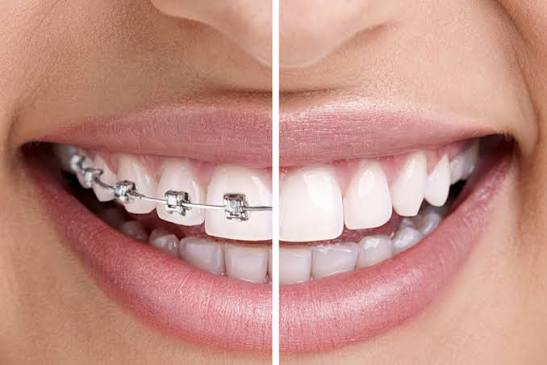
Traditional metal braces treatment progresses with small steel attachments called brackets being fixed onto the tooth surfaces using special adhesives, followed by the application of archwires that run through the center of these brackets. The archwire is secured to the brackets using elastic ties or self-ligating mechanisms. This wire applies gentle pressure to guide the teeth toward a pre-calculated ideal arch form. During regularly scheduled check-up appointments, the dentist replaces the archwires or updates the direction of force using additional aids such as elastics. It is very important for patients to pay close attention to their brushing habits during this process, in order to clean away food debris that can accumulate around the brackets.
In Which Cases Is Clear Aligner Treatment (Wireless Orthodontics) Preferred?
Clear aligner treatment is preferred for correcting crowding, gaps, or mild bite problems in patients who have aesthetic concerns and want the flexibility of being able to remove their appliance whenever they wish. Also known as wireless orthodontics, this method involves digital scans (3D measurements) taken inside the mouth and transferred to a computer system. Based on this data, the step-by-step movement of the teeth is simulated, and a personalized series of aligners is produced. The patient wears each aligner for the period specified by the dentist (for example, 10-14 days) and then moves on to the next one. The ability to remove the aligners while eating and brushing is a feature that makes daily routines easier.
Who Are Porcelain (Clear) Brackets Suitable For?
Porcelain brackets are suitable for people who want braces treatment but are uncomfortable with the appearance of metal, and who prefer to maintain an aesthetic profile in their social and professional lives — both young people and adults. These materials, which can blend with the color of the tooth enamel, offer a structure that is not noticeable from a distance. Although they work on a similar mechanical principle to metal brackets, due to the nature of the material they may require somewhat more careful handling with hard foods while eating. It is also recommended that oral care not be neglected after consuming tea, coffee, and staining foods, in order to preserve the clear appearance of the material.
How Is Lingual Orthodontics (Invisible Braces) Applied?
Lingual orthodontics is a system applied by placing the brackets and wires not on the front surfaces of the teeth, but directly on the back surfaces facing the tongue. Since it cannot be seen from the outside that the person is undergoing treatment, it is planned for cases where aesthetic expectations are at the highest level. Because the anatomy of the back surfaces of the teeth is more irregular and uneven compared to the front surfaces, lingual brackets are generally custom-designed in a laboratory setting based on the patient’s measurements. Since the wires applied in this area are close to the tongue’s range of motion, it is expected that patients will need a short adaptation period at the start of treatment regarding speech (especially pronunciation of certain letters) and swallowing habits.
Is There an Ideal Age for Orthodontic Evaluation?
Although there is no strict age limit for orthodontic evaluation, experts recommend that a child’s first check-up take place around the age of 7-8, when the permanent teeth begin to erupt. Since jaw development is still ongoing at this early stage, if a potential skeletal problem is detected (such as a narrow jaw or a receded upper jaw), guidance appliances can be used to take advantage of the child’s growth potential. However, this does not mean orthodontics is only for children. Any individual with healthy gums and supporting bone, regardless of age, can undergo an orthodontic evaluation and have a treatment plan designed to fit their own anatomy.
How Does Orthodontic Treatment Progress in Adults?
In adults, since bone growth has already been completed, orthodontic treatment progresses by focusing solely on tooth movement, or, when deemed necessary, by planning jaw surgery support for skeletal changes. In adult patients, gum health (periodontal status) is one of the main factors determining the course of treatment. Taking into account adults’ social lives, work conditions, and aesthetic expectations, clear aligners, porcelain brackets, or lingual systems are generally considered as priority options. Throughout the process, the biomechanical response of tooth movement on the bone may occur at a somewhat different rate in adults compared to children, which is why dentists take particular care to apply controlled and regular forces.
Why Is Early Orthodontic Examination Important in Children?
Early orthodontic examination in children is important for analyzing the direction of jaw skeletal development and identifying deformations that may be caused by harmful habits (such as thumb-sucking, mouth breathing, or prolonged pacifier use). Conditions such as a narrow jaw or crossbite that are identified at an early age can be guided using functional appliances (such as palatal expanders) by taking advantage of the child’s growth spurt. This period is referred to as preventive and interceptive orthodontics. Thanks to guidance provided at an early stage, the likelihood of needing more complex treatment later in life may be reduced, and sufficient space can be created for the permanent teeth to erupt into their natural positions.
What Determines the Duration of Orthodontic Treatment?
The duration of orthodontic treatment varies depending on the severity of the patient’s bite problem, discrepancies in the jawbone, the speed of tooth movement, the type of appliance chosen, and the patient’s compliance with treatment rules. Correcting mild crowding limited to the front teeth may be completed within a period of months, while processes addressing more complex bite differences and skeletal conditions can take several years. Factors that directly affect the process include the patient attending appointments regularly, using elastics or other supportive external appliances recommended by the dentist for the specified duration, and following dietary guidelines that help prevent bracket breakage.
How Are Orthodontic Treatment Processes Planned in the Ankara Region?
For patients living in the Ankara area who want support for dental and jaw discrepancies, orthodontic treatment processes are organized with detailed appointment planning that takes into account the patient’s daily work and education life. In a large city like Ankara, ease of transportation and keeping track of clinic appointments are factors considered important for the process to go smoothly. In this regard, Panorama Ankara also structures its orthodontic processes by creating flexible-timed check-ups tailored to patients’ individual lifestyles. All the clinical analyses patients need, along with their appliance preferences such as clear aligners or brackets, are carefully coordinated from start to finish according to Panorama Ankara’s standards, tailored to each person’s anatomical structure.
How Should Oral and Dental Care Be Carried Out During Orthodontic Treatment?
During orthodontic treatment, oral and dental care becomes a routine requiring extra attention, since the uneven surfaces of brackets and wires create areas where food particles can get trapped. If thorough and regular cleaning is not carried out, white spots on the enamel (decalcification) and gum problems may occur. The main steps to pay attention to during this process are as follows:
- Using an Orthodontic Toothbrush: The upper and lower parts of the brackets should be cleaned with a sweeping motion using soft-bristled orthodontic brushes with a grooved center.
- Interdental Brush Support: The spaces between brackets and under the wires, which a regular toothbrush cannot reach, should be thoroughly brushed using interdental brushes of the appropriate thickness.
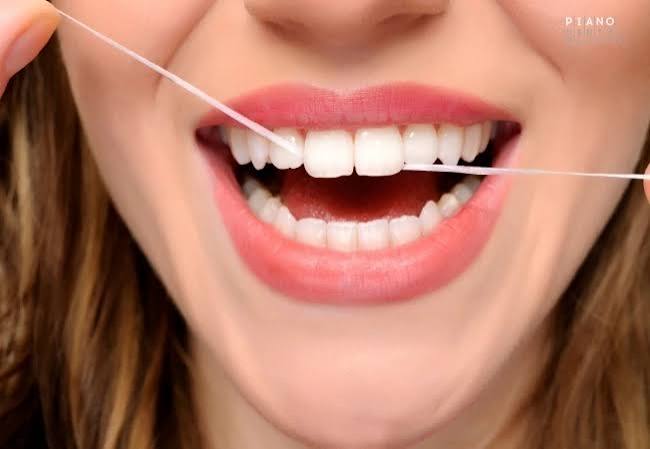
- Using Dental Floss: Plaque between the teeth should be removed using floss specially designed for orthodontic patients, which has a rigid guide tip.
- Mouth Rinses: Fluoride-containing rinses, or rinses that help reduce plaque buildup as recommended by the dentist, can be added to the daily routine.
- Regular Brushing Schedule: A thorough cleaning session should ideally be performed after every main and snack meal, or at the very least in the morning and before going to bed at night.
What Should the Diet Be Like During Orthodontic Treatment?
During orthodontic treatment, diet should be carefully managed in order to prevent brackets from detaching from the tooth surface and to prevent the wires from bending. A detached bracket interrupts the planned force and can slow down the treatment process. Patients are asked to pay attention to the following points regarding their eating and drinking habits throughout the process:
- Avoiding Hard Foods: Foods such as nuts (hazelnuts, almonds, roasted chickpeas), ice, hard candy, and popcorn should not be bitten into directly.
- Fruits with Pits: Foods such as plums, cherries, and olives should have their pits removed before being eaten.
- Foods That Require Tearing: Fruits such as apples, carrots, and quince, or hard-crusted bread and bagel-type baked goods, should not be bitten into and torn with the front teeth; instead they should be cut into small pieces with a knife and chewed with the back teeth.
- Sticky Foods: Foods such as gummy candy, caramel, Turkish delight, and chewing gum, which stick to the wires and are difficult to clean off, should be avoided.
- Acidic Beverages: Highly acidic drinks such as cola and soda should be consumed sparingly, as they can weaken the enamel structure and affect the adhesives, and a straw should be preferred when consuming them.
What Is the Retention Phase After Orthodontic Treatment?
The retention phase after orthodontic treatment is the stabilization process applied after the actively force-applying wires or aligners are removed, aimed at preserving the newly achieved alignment. It takes time for the bone and connective tissues around the teeth to adapt to their new positions; during this period, the teeth have a tendency to shift back toward their original positions (relapse). To keep this under control, dentists place a thin retention wire (retainer) fixed to the inner side of the upper and lower front teeth. At the same time, clear removable retention aligners (Essix retainers) are provided, and patients are asked to wear them for a certain period (usually all day at first, then only at night afterward). The retention phase is considered an integral part of the treatment process for maintaining the alignment that has been achieved.
15 Frequently Asked Questions
1. How long does an orthodontic examination take?
An orthodontic examination generally takes between 20 and 30 minutes. During this process, the dentist examines the patient’s bite dynamics, tooth alignment, and facial profile, and requests any necessary radiographic imaging (panoramic or cephalometric X-rays). The first session is a stage of analysis and general planning.
2. What does it feel like when braces are put on?
Placing brackets on the teeth is a process based on surface preparation and bonding, and does not require needles or anesthesia. Since force is transmitted to the teeth once the wires are first placed, it is normal to experience a feeling of pressure, mild tension, or tooth sensitivity while chewing for the first few days as part of the adaptation process.
3. Does braces treatment affect speech?
Classic metal or porcelain brackets placed on the front surface generally do not affect speech. However, with the lingual orthodontics method, applied to the back surface of the teeth, some lisping in the pronunciation of certain letters may occur in the first few weeks because the wires are close to the tongue’s range of motion; this returns to normal as the patient practices speaking.
4. Do braces cause tooth decay?
Braces themselves do not cause tooth decay. However, since food debris tends to accumulate more easily around wires and brackets, inadequate brushing can allow plaque buildup to weaken the enamel surface, leading to the start of decay or staining. As long as oral hygiene is maintained carefully, this does not occur.
5. Can you play sports while wearing braces?
Patients undergoing orthodontic treatment can continue their daily exercise and sports activities. However, individuals involved in contact sports with a high risk of facial impact, such as boxing, basketball, or martial arts, are advised to obtain a special protective mouthguard from their dentist to protect the lips and inner cheeks from pressure caused by the wires.
6. Is orthodontics only for aesthetic purposes?
Although orthodontic treatment is often sought for aesthetic reasons, its main focus is actually achieving a functional bite. Correcting crowding leads to better chewing, more comfortable speech, and a more balanced distribution of load on the jaw joint. Aesthetic improvement is a natural result of achieving a healthy, functional alignment.
7. Do clear aligners affect speech?
During the first day or two after clear aligners are placed in the mouth, a mild adaptation period may occur due to the presence of a foreign material in the mouth. Since the aligners fit very closely to the tooth surface and have a thin form, the tongue quickly adjusts to this, and speech returns to its normal flow within a short time.
8. Is tooth extraction necessary for orthodontic treatment?
Not every orthodontic plan requires tooth extraction. However, in certain specific cases where the jawbone is not wide enough to accommodate all the teeth side by side, where crowding is severe, or where the upper or lower jaw is significantly protruded, symmetrical tooth extractions may be planned to create space for the remaining teeth. This decision is made by the dentist based on clinical analysis.
9. Can I chew gum while wearing braces?
Sticky and stretchy foods such as chewing gum, gummy candy, and caramel get stuck between the brackets, creating a surface that is difficult to clean, and can also cause the archwires to bend or the brackets to come loose. For this reason, patients are advised not to chew gum throughout the treatment process.
10. How long are retention appliances worn?
The duration of use for retention appliances varies depending on the case and the patient’s bone structure. Fixed inner retainer wires are often worn for many years, sometimes permanently, since their presence is not noticeable and they are easy to keep clean. The use of removable retainers is typically intensive in the first few months and is gradually reduced by the dentist to nighttime-only wear in subsequent years.
11. Are a night guard and a clear aligner the same thing?
These are two different appliances that serve different purposes. Clear aligners are treatment devices that contain a force mechanism designed to move teeth and achieve orthodontic correction. A night guard (splint), on the other hand, is a passive protective appliance typically used by patients with teeth-clenching habits (bruxism) to protect the tooth enamel, or to maintain the current position of the teeth during the retention phase.
12. Can orthodontic treatment be done during pregnancy?
Pregnancy is not a biological obstacle to having braces placed. However, it is important for planning purposes that any necessary X-rays be taken before pregnancy (since they involve radiation exposure). In addition, since hormonal changes during pregnancy can increase gum sensitivity, pregnant patients undergoing orthodontic treatment need to pay even more attention than usual to their brushing routine.
13. Do wisdom teeth prevent braces treatment?
If wisdom teeth are erupting properly and there is enough space for them in the jaw, they do not prevent orthodontic treatment. However, wisdom teeth that remain impacted, put pressure on neighboring teeth, or have the potential to push the teeth in the jaw arch forward due to lack of space may be requested by the dentist to be extracted either before treatment begins or at a certain stage of the process.
14. What should be paid attention to when brushing teeth?
Using an orthodontic toothbrush at a 45-degree angle, the upper parts of the brackets facing the gums and the lower parts facing the chewing surface should be brushed separately with a sweeping motion. Interdental brushes should be inserted from both the right and left sides of each bracket and under the wire to remove any remaining debris. Patients are advised to perform this cleaning carefully in front of a mirror, without rushing.
15. How often are check-up appointments needed?
For patients using traditional metal or porcelain braces, check-up appointments are generally scheduled every 4 to 6 weeks. During these sessions, the dentist reactivates the wires. For patients using clear aligners, the process can sometimes be more flexible, since aligner changes are done by the patient themselves; clinic check-ups may be scheduled every 6 to 8 weeks.